2026 Best Turnkey Automation Solutions for Global Buyers
Global buyers entering 2026 are seeking automation systems that move from specification to production with fewer surprises. This is where turnkey automation becomes valuable. It can combine engineering, equipment, software, installation, training, and after-sales support under one coordinated project. Yet “complete” does not always mean “ready.” A polished proposal may still hide integration gaps, unclear responsibilities, or delayed spare parts.
The best solutions begin with the buyer’s real operating conditions. A packaging line in Germany may require different guarding, documentation, and communication protocols than a food-processing plant in Southeast Asia. Experienced suppliers examine cycle times, product variation, floor space, utilities, workforce skills, and expansion plans before recommending equipment. They also provide factory acceptance testing, site acceptance testing, risk assessments, traceable documentation, and practical operator training. Proof comes first.
This guide reviews leading 2026 turnkey automation solutions for global buyers. It considers robotic handling, assembly cells, vision inspection, warehouse automation, control platforms, and data connectivity. Attention is given to measurable performance, maintenance access, cybersecurity, compliance, and total ownership cost. A lower purchase price can become expensive when technicians wait weeks for a specialized sensor. That gap matters. Reliable vendors explain limitations, publish realistic delivery schedules, and support local service networks. Still, no supplier fits every factory. Buyers should challenge assumptions, request reference projects, and verify results under conditions resembling their own production environment. The strongest partnership is not always the most impressive presentation. It is the one that keeps improving after commissioning.
What Turnkey Automation Solutions Include and How They Work
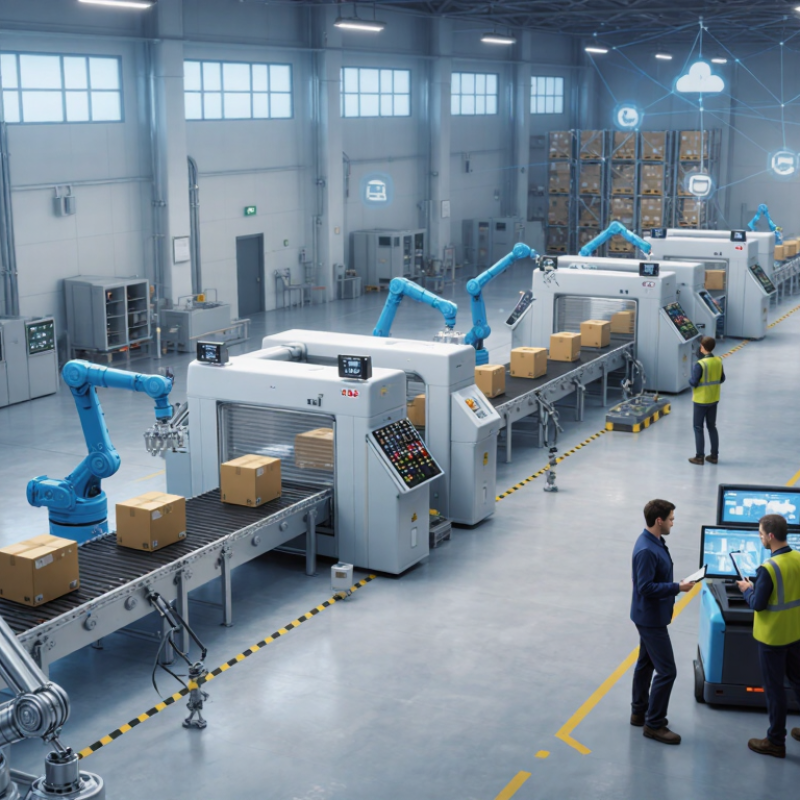
Turnkey automation solutions cover the full path from production planning to stable operation. They usually include process analysis, mechanical design, robotics, sensors, control software, safety systems, installation, commissioning, training, and after-sales support. The supplier manages one connected project instead of delivering isolated machines. A typical cell may receive parts through a conveyor, identify them with vision sensors, perform robotic handling, and record results in a production database.
541,302
The scale is substantial. The International Federation of Robotics reported 541,302 industrial robots installed worldwide in 2023, with more than 4.28 million robots operating globally. This growth increases demand for integrated systems, not just individual equipment. During implementation, engineers map cycle times, factory space, utilities, operator access, and local safety requirements. They then test the sequence digitally and on the factory floor. A commissioning team may adjust gripper pressure, camera exposure, or conveyor timing several times before production becomes reliable.
The handover is often less tidy than brochures suggest. A small lighting change can reduce inspection accuracy. An overlooked product variation can stop the line. Clear training, spare-part planning, and remote diagnostics reduce these risks. Deloitte’s 2024 Smart Manufacturing and Operations Survey found that manufacturers continue investing in connected technologies to improve productivity and resilience. Still, automation is not automatically efficient. Buyers should request measured cycle-time data, acceptance criteria, maintenance records, and a recovery plan for faults. Independent verification remains useful, especially when the system crosses multiple factories, languages, and regulatory environments.
Key Technologies Shaping Turnkey Automation in 2026
2026 Best Turnkey Automation Solutions for Global Buyers
Key Technologies Shaping Turnkey Automation in 2026
Turnkey automation in 2026 is moving from fixed machinery toward connected, adaptable production cells. The strongest systems combine robots, machine vision, edge computing, and safer human-machine interfaces. Edge processors inspect products beside the line, reducing cloud delays during rapid quality checks. Machine vision can detect missing labels, uneven seals, and small surface defects. That evidence supports faster decisions and clearer maintenance records. Yet accuracy depends on lighting, camera placement, and clean training data. Small details matter.
Digital twins are becoming practical tools for factory planning and operator training. Engineers can test cycle times, material flow, and energy use before installation. This reduces expensive changes during commissioning. Industrial sensors also monitor vibration, temperature, air pressure, and motor load. Predictive maintenance then identifies unusual patterns before a stoppage affects delivery schedules. However, a digital model is only useful when measurements remain accurate. Poor calibration can create confident but misleading recommendations.
Cybersecurity must be designed into the system, not added after deployment. Segmented networks, controlled access, encrypted communication, and regular patching protect production data. Modular equipment also helps global buyers adjust layouts for different sites and workforce skills. Clear documentation, remote diagnostics, spare-parts planning, and local training improve long-term reliability. Still, automation projects can underperform when teams focus only on hardware. A fast robot cannot repair unclear workflows, weak safety procedures, or unrealistic production targets。
How Global Buyers Evaluate Turnkey Automation Providers
Global buyers evaluate turnkey automation providers by studying the complete delivery process, not only the machine price. They examine process design, equipment integration, software controls, safety documentation, and operator training. A credible provider should explain how each stage will be tested. Ask for factory acceptance testing records, commissioning procedures, and measurable performance targets.
Experience becomes visible on the production floor. Buyers should request references from similar industries and compare promised output with actual results. A useful evaluation includes cycle-time studies, energy data, maintenance intervals, and spare-parts availability. Watch how engineers answer difficult questions. Clear answers build confidence. Vague answers deserve further review.
Reliable providers also discuss cybersecurity, data ownership, local regulations, and long-term technical support. They should identify installation risks before signing a contract. A detailed project schedule should show dependencies, responsible teams, training dates, and acceptance criteria. No proposal is perfect. Some schedules slip, and early estimates may change after site surveys. That is acceptable when assumptions are recorded and changes are communicated quickly. Buyers should inspect those weaknesses rather than hide them. A practical supplier admits what the system cannot yet prove, then offers a controlled test. This honesty often matters more than polished sales language.
Implementation Steps from System Design to Production Launch
Turnkey automation should be managed as a controlled implementation, not a boxed purchase. Engineers begin by mapping cycle times, operator movements, safety zones, utilities, and product variations. The system design should show sensors, robots, conveyors, controls, and data connections before fabrication starts. Keep the drawings readable. According to the International Federation of Robotics World Robotics 2024 report, 541,302 industrial robots were installed globally in 2023, with 4.28 million operating units. That scale increases the need for disciplined integration and documented risk assessment.
During build, the project team validates software logic, guarding, emergency stops, and changeover procedures. Factory acceptance testing should use real parts, approved recipes, and recorded fault scenarios. A short video of each test can support training and later audits. Deloitte’s 2024 Smart Manufacturing and Operations Survey reported that 86% of manufacturing leaders expect smart manufacturing to become a primary competitiveness factor within five years. The figure is persuasive, but connectivity alone does not fix poor process design.
Site acceptance follows installation, utility checks, network validation, and operator training. Production launch should begin with a monitored pilot shift, then expand through agreed output, quality, uptime, and response-time targets. Track rejected parts beside cycle-time data. Review every alarm. Some commissioning plans remain too optimistic, especially when local maintenance skills are assumed rather than tested. A practical handover includes spare-part lists, recovery instructions, cybersecurity controls, and signed evidence that the line can run safely under normal production pressure.
2026 Best Turnkey Automation Solutions for Global Buyers
Typical implementation sequence and planning duration from system design to production launch. The timeline is presented as a practical reference for global turnkey automation projects and may vary by system complexity, site readiness, and validation requirements.
The longest planning periods usually occur during detailed engineering, equipment fabrication, and system integration. Early requirements alignment and site preparation can reduce commissioning delays.
Cost, Compliance, Support, and Future Expansion Considerations
2026 Best Turnkey Automation Solutions for Global Buyers
Cost, Compliance, Support, and Future Expansion Considerations
Buying turnkey automation in 2026 is less about the machine alone. Global buyers need a cost model that survives production reality. Request itemized pricing for equipment, integration, training, shipping, taxes, validation, and five-year maintenance. Ask for energy use and expected changeover time. A cheap quote can age badly. During supplier reviews, compare total cost of ownership, not only the initial invoice. Require acceptance tests using sample products, target cycle times, and documented defect limits. Factory acceptance testing should happen before shipment, with results signed by both parties.
Compliance must be designed into the project, not added after installation. Confirm electrical safety, machine guarding, risk assessment, emissions requirements, and local workplace rules for every destination. Technical files should include drawings, manuals, software versions, certificates, and maintenance procedures. Cybersecurity also matters when equipment connects to production networks. Define user permissions, update methods, data ownership, and recovery steps in writing. Compliance gaps are expensive to correct.
Support quality often determines production stability. Set response times, remote support limits, spare-parts availability, and technician travel terms before signing. Keep critical parts on site when delays could stop a line. Expansion deserves equal attention. Modular controls, spare cabinet capacity, accessible interfaces, and documented programming can simplify future upgrades. Ask how a second shift, new format, or added inspection station would affect the design. I have seen strong projects weakened by vague support promises. That risk is easy to underestimate. Leave room for revision.