2026 Top Trends in Robotic Automation You Should Know?
The rapid advancements in robotic automation are changing various industries. Businesses are increasingly implementing robotic systems, driven by the need for efficiency and precision. In 2026, several trends will shape the future landscape of robotic automation.
One significant trend is the rise of collaborative robots, or cobots. These machines work alongside humans, enhancing productivity while ensuring safety. Meanwhile, artificial intelligence integration will enable robots to learn and adapt to new tasks more effectively. This evolution raises questions about the workforce's adaptability and skill requirements. Are we prepared for these changes?
Another trend involves the expansion of robotic process automation in service sectors. Companies are adopting automation tools to streamline workflow. This may reduce repetitive tasks but prompts reflection on job displacement. Balancing innovation with human employment remains a critical issue. As we look ahead, understanding these trends in robotic automation will be essential for navigating the future landscape.
Emerging Technologies in Robotic Automation for 2026
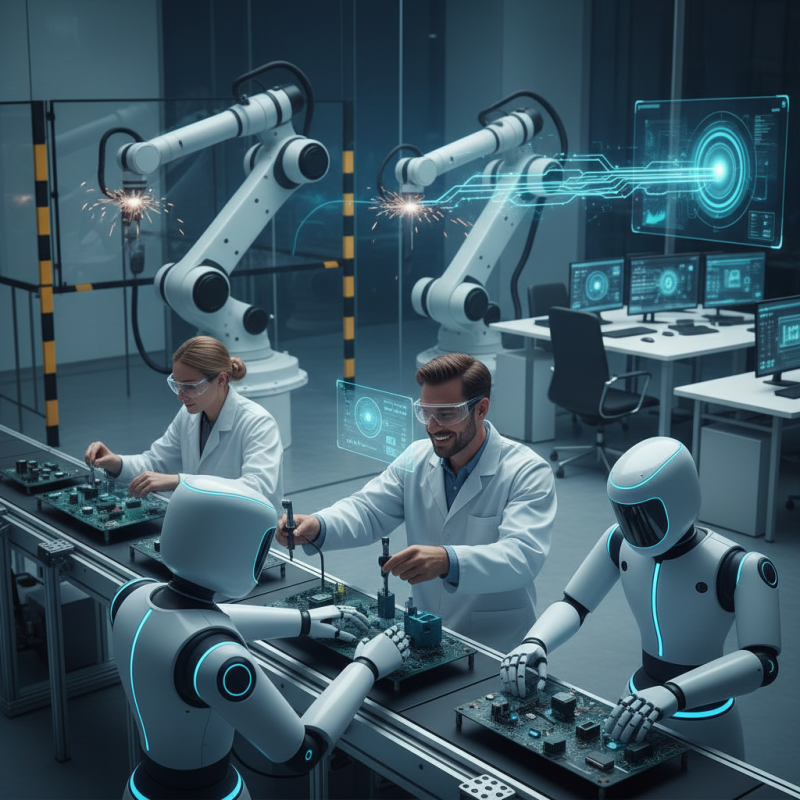
As we look ahead to 2026, robotic automation continues to evolve dramatically. Emerging technologies will shape industries, offering new possibilities. Artificial intelligence will integrate more deeply with robotics. This combination will enable machines to learn and adapt in real time. Predictive maintenance tools will enhance operational efficiency.
Advanced sensors are also becoming critical. They allow for precise navigation and better interaction between robots and their environments. Collaborative robots, or cobots, will work alongside humans in workplaces. The design of these systems will require careful reflection on safety and ergonomics.
Yet, there are challenges. Developing ethical guidelines for automation is urgent. Ensuring data privacy and security is vital too. As robots become more autonomous, the potential for misuse increases. This complexity demands ongoing dialogue among creators and users. Preparing for these shifts requires cautious advancement and responsible innovation.
2026 Trends in Robotic Automation
The Impact of Artificial Intelligence on Robotics Automation Trends
The rise of artificial intelligence is reshaping robotic automation in significant ways. AI technology enables robots to learn and adapt to their environments. This capability allows them to perform tasks with greater precision and efficiency. For example, manufacturing robots can optimize workflows by analyzing real-time data. They can identify bottlenecks and suggest improvements, leading to increased productivity.
However, the impact of AI on robotics automation isn't all positive. Many industries face challenges in integrating these technologies. There are concerns about job displacement as robots take on complex tasks. Additionally, the reliance on AI raises questions about security and control. If robots make decisions autonomously, how do we ensure they align with human values?
As we explore these trends, it's crucial to reflect on the ethical implications. The potential for bias in AI systems can affect how robots operate. Society must engage in discussions about the future of work and technology. Balancing innovation with responsibility is vital for a successful transition to this new era of robotics.
Integration of IoT with Robotic Systems in Future Applications
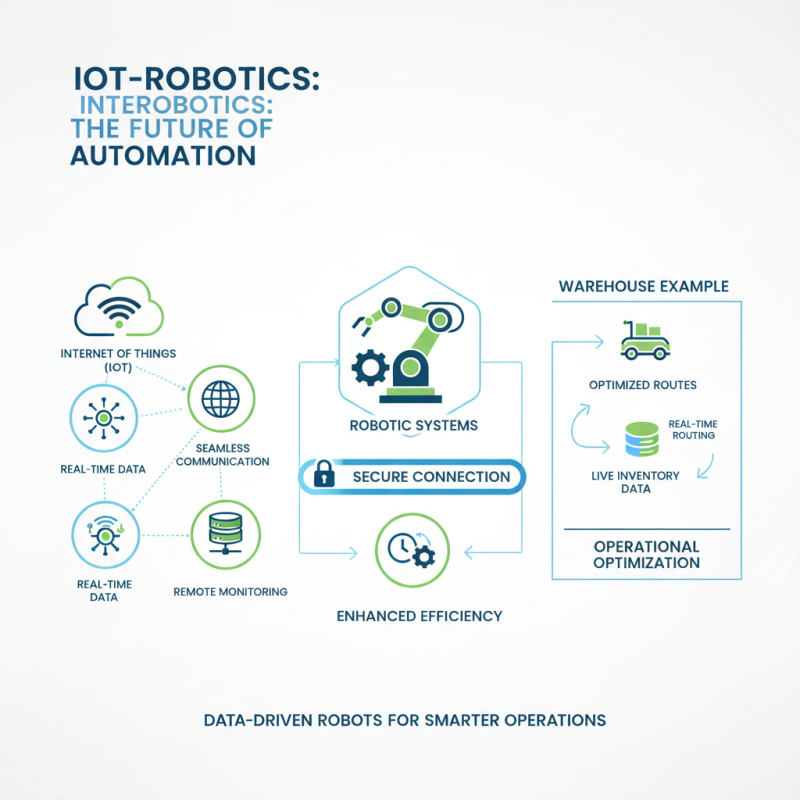
The integration of the Internet of Things (IoT) with robotic systems is a pivotal trend for the future. IoT enables robots to communicate and share data seamlessly. This connection allows real-time monitoring and control, enhancing operational efficiency. For example, in warehouses, robots can optimize routes based on live inventory data.
However, this advancement does not come without challenges. Data privacy and security remain critical concerns. Vulnerabilities in the system could expose sensitive information. Additionally, integrating diverse IoT devices with robotic systems can be complex. Ensuring compatibility requires substantial resources and time.
In future applications, the potential for IoT and robotics is immense. Think about smart factories where machines predict failures before they occur. Predictive maintenance can reduce downtime significantly. Yet, the reliance on data raises questions. How do we safeguard this valuable information? Exploring these issues will be essential as we move forward.
Human-Robot Collaboration: Redefining Workplace Dynamics in 2026
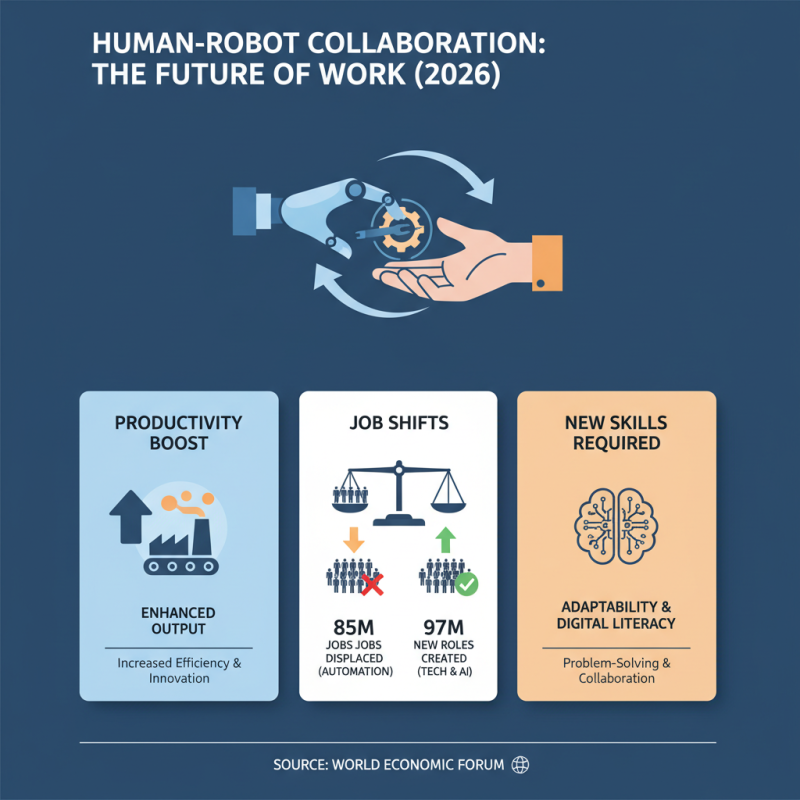
In 2026, human-robot collaboration is transforming work dynamics. This partnership enhances productivity but presents challenges. The World Economic Forum reports that over 85 million jobs could be displaced by automation. Yet, it also predicts 97 million new roles will emerge. This shift demands a new skill set, blurring the line between human and machine.
Workplaces will increasingly host robots as coworkers. These robots can handle repetitive tasks efficiently. However, this reliance raises concerns. Employees may feel threatened by job security. There is a pressing need for organizations to address these fears. A McKinsey report indicates that effective communication about the role of robots is vital. Empowering workers through training is essential. Without it, resistance to this change may grow, leading to a less cohesive workplace.
Collaboration means understanding both benefits and drawbacks. Robots often lack human empathy and decision-making skills. This can lead to frustration in teams. Companies must ensure that humans take the lead in areas requiring creativity and emotional intelligence. Balancing efficiency with human touch is crucial for success. Data shows that workplaces thriving on collaboration tend to outperform others. However, the path to achieving this may not be straightforward.
Sustainability and Energy Efficiency Trends in Robotic Automation
In recent years, robotic automation has embraced sustainability and energy efficiency. Companies are now integrating eco-friendly practices into their automation processes. These advancements can significantly reduce waste and energy consumption. Robots are designed to perform tasks using minimal electricity. This shift not only lowers operational costs but also helps the environment.
One notable trend is the use of renewable energy sources. Many robotic systems now operate on solar or wind power. This transition is promising, yet challenges remain. Not all facilities have access to adequate renewable energy infrastructure. Additionally, the initial investment for such systems can be daunting for many businesses. Companies must carefully consider their long-term sustainability goals versus immediate costs.
Another aspect is the development of energy-efficient algorithms. These are essential for optimizing robotic operations, but not without flaws. The algorithms can sometimes prioritize speed over efficiency, leading to wasted energy. Continuous testing and refinement are necessary. Businesses must commit to long-term improvements to achieve true sustainability in automation.