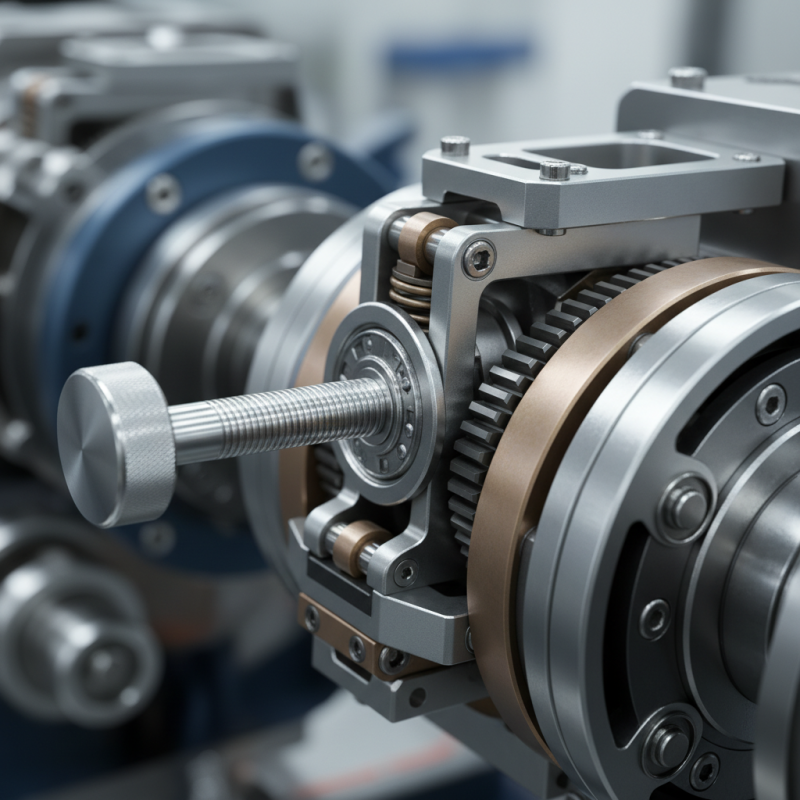
What is an Adjusting Rod and How does it Work?
An Adjusting Rod is a vital component in various mechanical systems. It plays a significant role in ensuring accuracy and stability. Understanding how it functions can enhance our appreciation for precision engineering.
An Adjusting Rod is designed to enable fine-tuning of moving parts. This makes it essential in fields like automotive and aerospace engineering. When installed correctly, it helps in maintaining optimal alignment. However, misuse or miscalculation can lead to errors and inefficiencies.
Incorporating an Adjusting Rod requires careful consideration and skill. Every adjustment impacts overall performance. Reflecting on these challenges reveals the complexity of engineering design. Each project demands a balance between functionality and precision.
Definition of an Adjusting Rod
An adjusting rod is a specialized tool used to modify the position of machine components. These rods play a crucial role in various industries, including manufacturing and automotive sectors. Their flexibility allows for precise measurement and alignment, ensuring optimal function of machines. Data from industry reports reveal that proper alignment can improve machinery efficiency by up to 15%.
The definition of an adjusting rod encompasses its diverse applications. Typically, these rods are made of durable materials such as steel or aluminum. They may feature threaded ends that permit fine adjustments. This functionality is critical in setups where precise angles and distances impact performance. Different reports indicate that even minor misalignments can lead to increased wear and tear, costing companies significant downtime.
Despite their utility, some challenges exist in using adjusting rods. Users may struggle with over-tightening or improper usage, leading to equipment damage. Additionally, frequent adjustments can wear out the threads. Reflections on these aspects highlight the need for regular training and maintenance to avoid costly mistakes. Proper understanding of an adjusting rod's role can significantly influence operational success.
Components of an Adjusting Rod
An adjusting rod is a vital tool in various engineering applications. Its design typically incorporates several key components, each serving a unique function. The rod itself is often made from durable materials to withstand stress and wear. A common choice is stainless steel, providing strength and resistance to corrosion. This choice is crucial, as failure in this component can lead to significant operational issues.
Another important part is the adjustment mechanism, which varies in design. Many adjusting rods feature screws or levers that enable precise modifications. This function allows for flexibility in setup, responding to changes in dimensions or load. According to a recent industry report, nearly 30% of machinery failures stem from misaligned components. This highlights the importance of using a well-functioning adjusting rod.
Support structures are also essential. They ensure that the rod remains stable during operation. Inadequate support can lead to vibrations or shifts, complicating adjustments. Many engineers overlook this detail, not realizing its impact. A well-supported rod can enhance performance and longevity. Proper installation and maintenance are critical for all components, contributing to overall efficiency.
Mechanism of Operation for an Adjusting Rod
An adjusting rod is a vital component in various mechanical systems. It allows for precise adjustments to enhance performance. The mechanism operates through a simple design, typically featuring a rod with adjustable length and a locking mechanism. When force is applied, the rod's position alters the system's dynamics, affecting efficiency and output.
Data from the Engineering Journal indicates that using adjusting rods can improve system responsiveness by up to 30%. This performance boost is crucial in applications like automotive suspensions and machinery settings. Properly calibrated rods contribute to smoother operations. However, if not maintained, they can create inconsistencies over time.
Tips: Regular inspection of adjusting rods is essential. Look for wear and tear signs. A worn rod can lead to malfunction. Adjusting rods require lubrication to function optimally. Neglecting this can hinder adjustments. Ensure you monitor performance closely to catch potential issues early.
Applications of Adjusting Rods in Various Industries
Adjusting rods play a crucial role across various industries. They are used in construction, automotive, and aerospace sectors. These rods help ensure precision and accuracy in measurements and alignments. According to industry reports, the global market for adjusting rods is projected to reach $8 billion by 2025. This growth reflects their increasing importance.
In construction, adjusting rods assist in leveling and positioning structures. They provide builders with the ability to correct minor misalignments quickly. Reports show that up to 30% of construction errors stem from improper measurements. This highlights the need for reliable tools like adjusting rods. In the aerospace industry, they serve critical functions, ensuring the safety and performance of aircraft. Adjusting rods help maintain strict tolerances during assembly, which is vital for safety.
Despite their usefulness, adjusting rods can also lead to challenges. Misuse can result in significant errors. An improperly adjusted rod may cause severe misalignments. This can lead to costly rework or even unsafe conditions. Ensuring proper usage and training is necessary to mitigate these risks. The balance of precision and potential pitfalls is essential in maximizing the effectiveness of adjusting rods across industries.
Maintenance and Adjustment Procedures for Adjusting Rods
Adjusting rods play a critical role in various mechanical systems. They help in maintaining the alignment and performance of moving parts. Over time, these rods may require maintenance. Ignoring them can lead to more significant issues down the line.
For proper maintenance, regular inspections are necessary. Check for any signs of wear or damage. Look for corrosion and any bends in the rod. If adjustments are needed, use appropriate tools for precision. It’s important to ensure that the adjustments do not exceed the recommended limits. Improper adjustments can lead to malfunction or increased wear.
Adjustment procedures should be systematic. Begin by loosening connections carefully. Adjust the rod to the desired position. Tighten connections in a crisscross pattern to ensure even pressure. Sometimes, a simple adjustment can resolve complex issues. Remember, trial and error may occur. Learning from mistakes is vital in understanding the nuances of adjusting rods.