What is an Automation Machine? Understanding Its Importance and Applications
In today's rapidly evolving industrial landscape, the concept of an "automation machine" has emerged as a pivotal element in enhancing operational efficiency and productivity. These machines, which leverage advanced technologies to execute tasks with minimal human intervention, play a significant role across various sectors, including manufacturing, logistics, and even service industries. As companies face pressure to improve their output while reducing labor costs, the adoption of automation machines has become not just beneficial, but essential.
Understanding the importance and applications of automation machines enables businesses to harness their full potential. From robotic arms assembling complex components to intelligent software managing supply chains, these machines offer a wide array of functionalities that optimize processes and drive innovation. Moreover, as industries continue to embrace automation, it becomes increasingly important to recognize the top applications that are leading this transformation. By examining the various ways in which automation machines are implemented, organizations can gain valuable insights into how to compete effectively in an ever-changing market landscape.
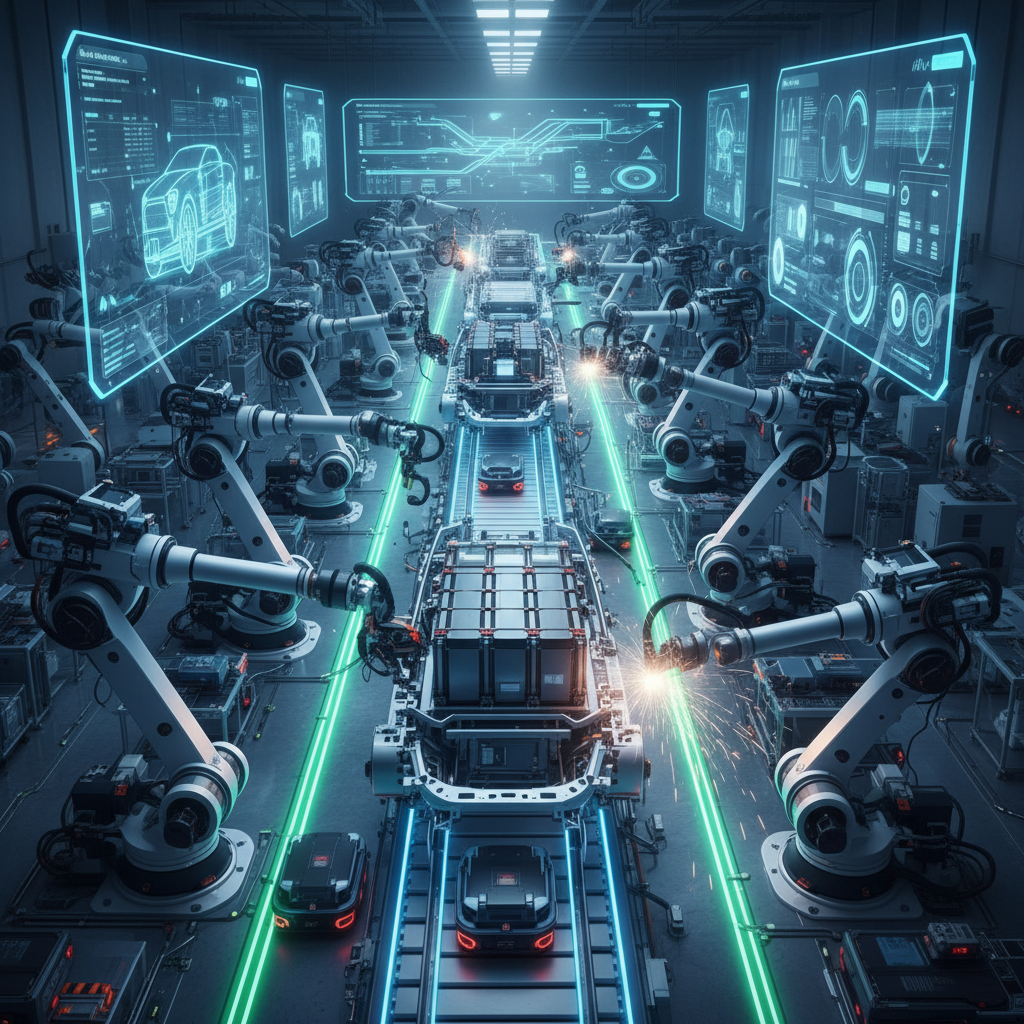
Definition and Functionality of Automation Machines
Automation machines are advanced technological systems designed to perform tasks that traditionally require human intervention. At their core, these machines utilize software and hardware components to complete repetitive, tedious, or complex processes efficiently and consistently. The critical functionality of an automation machine lies in its ability to increase productivity, reduce operational costs, and enhance safety by minimizing human error. From manufacturing assembly lines to warehouse operations, automation machines streamline workflows and enable organizations to allocate resources more effectively.
In various industries, the applications of automation machines are vast and varied. For instance, in the automotive sector, robotic arms are employed for assembling parts with precision and speed, significantly accelerating production timelines. Similarly, in the food processing industry, automated systems ensure that food products are packaged and labeled accurately, maintaining high standards of hygiene and reducing waste. Furthermore, automation machines are increasingly integrated into sectors like healthcare and logistics, where they enhance service delivery and inventory management. This growing reliance on automation not only boosts sectoral efficiencies but also paves the way for innovation and economic growth.
Key Advantages of Implementing Automation Machines in Various Industries
Automation machines are transforming various industries,
streamlining processes and enhancing productivity. One key advantage of implementing these machines
is increased efficiency. According to a report by
McKinsey & Company, businesses that adopt automation can boost their productivity by up to
30%. This increase is primarily due to the machines' ability to perform
repetitive tasks faster and with precision, reducing the likelihood of human error.
Moreover, automation machines significantly lower operational costs.
A study from Deloitte highlights that companies can save between 20% to 30% on labor costs
when integrating automation technologies. This reduction in costs allows organizations to allocate resources
more effectively and invest in innovation. Industries such as manufacturing and logistics see the most benefit,
with fully automated warehouses reported to achieve up to 75% faster order fulfillment rates.
Lastly, automation machines enhance safety in the workplace.
By delegating hazardous tasks to machines, companies can protect their employees from potential injuries. The National
Safety Council notes that workplaces utilizing automation have reported a drop in incident rates by as much as
40%. This focus on safety not only creates a healthier work environment
but also improves employee morale and retention.
Top Industries Leveraging Automation Machines for Enhanced Efficiency
Automation machines are revolutionizing various industries by enhancing operational efficiency and productivity. According to a report by McKinsey, automation could increase productivity in manufacturing by 20 to 30 percent by 2030. This significant uplift underscores why sectors such as automotive and electronics are heavily investing in automated solutions. For instance, in automotive manufacturing, companies are deploying robotic automation to streamline assembly lines, drastically reducing labor costs and error rates while improving output speed.
Additionally, the logistics and supply chain industry is reaping the benefits of automation machines. A study from the International Federation of Robotics predicts that global sales of logistic robots will increase from 29,000 units in 2018 to approximately 620,000 units by 2025. This transformation is largely driven by the need for faster delivery times and minimized operational costs. Retail giants, for example, are utilizing automation for inventory management and order fulfillment, allowing them to respond swiftly to consumer demands while maintaining accuracy. The widespread adoption of automation technologies signifies a crucial shift in how industries operate, ultimately enhancing competitiveness in a rapidly evolving market.
Automation Machine Adoption in Top Industries
Real-World Applications of Automation Machines in Manufacturing and Beyond
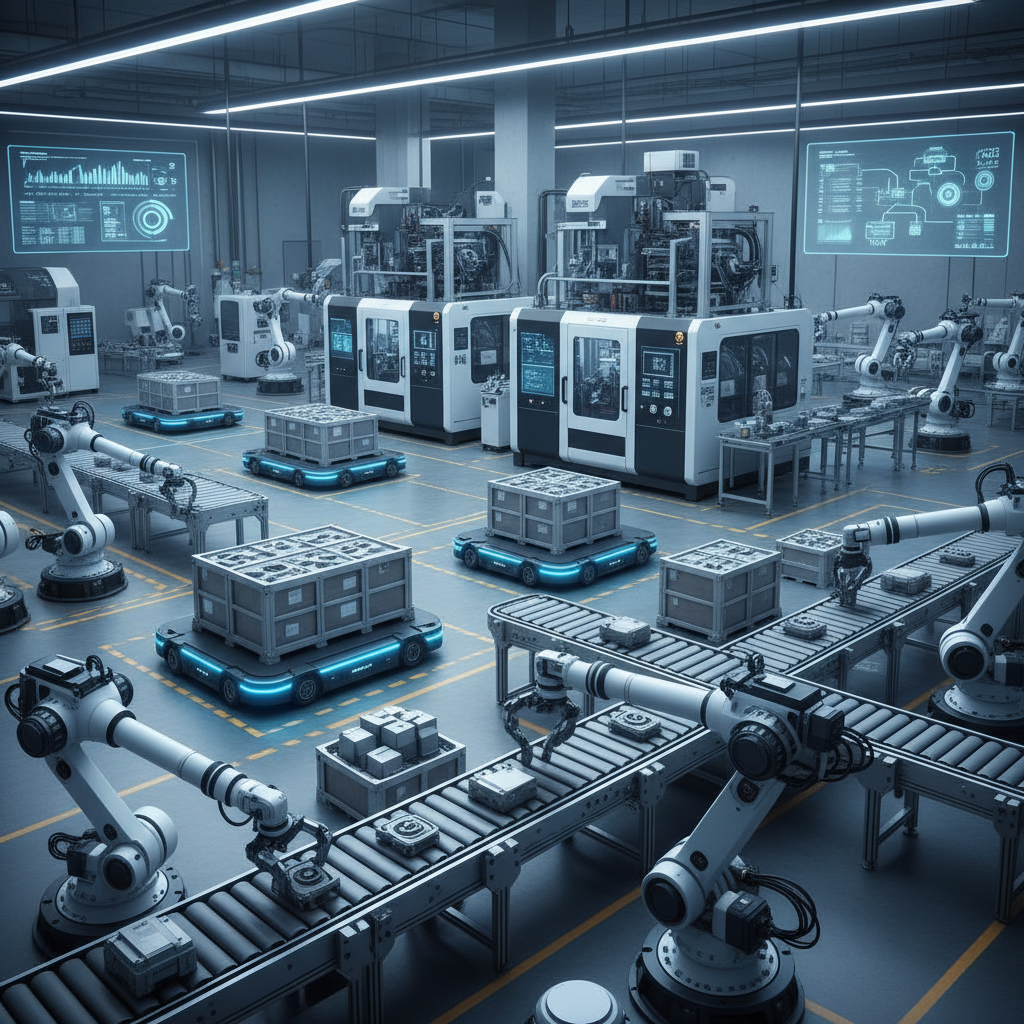
Automation machines play a crucial role in modern manufacturing, significantly enhancing productivity and efficiency. In factories, these machines are utilized for assembly lines, where they perform tasks such as welding, painting, and packaging with precision and speed. This minimizes human error and reduces labor costs, allowing companies to produce goods at a higher rate and maintain consistent quality. The integration of automation technology not only streamlines production processes but also enables manufacturers to adapt swiftly to changing market demands.
Beyond manufacturing, automation machines are increasingly finding applications in other industries such as logistics, agriculture, and healthcare. In logistics, automated sorting systems enhance the speed at which goods are processed and shipped, leading to quicker delivery times. In agriculture, automated machinery aids in planting, harvesting, and monitoring crops, resulting in higher yields and more efficient resource use. Meanwhile, in healthcare, automation is revolutionizing patient care through robotic surgical systems and automated medication dispensing. As these technologies continue to evolve, their applications are expected to expand, further solidifying their importance across various sectors.