What are the Benefits of an Airport Fence design?
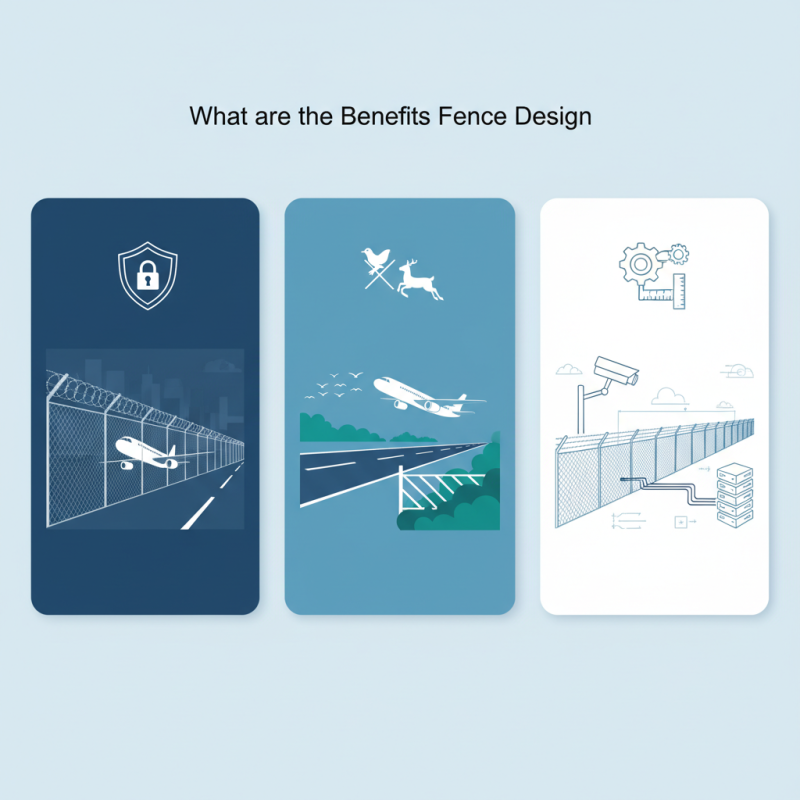
airport fences play a crucial role in aviation security. They act as a barrier between the airport and the outside world. A well-designed airport fence prevents unauthorized access to sensitive areas. This reduces the risk of security breaches and enhances safety.
Moreover, a robust airport fence helps control wildlife. Birds and other animals can pose significant hazards to aircraft. An effective fence can deter wildlife from entering runways. This proactive measure protects both passengers and pilots during takeoff and landing.
Nevertheless, airport fence installation can be complex. It requires careful planning and consideration of numerous factors. The materials used, the height of the fence, and the integration with surveillance systems are all vital. These elements must align with safety standards and local regulations. Balancing security needs with the aesthetic aspects of the airport environment is often a challenge. Reflection on the design process can lead to improvements.
Benefits of Enhanced Security Through Airport Fence Design
Airport fence design is crucial for ensuring enhanced security. A well-constructed fence acts as the first line of defense. It deters unauthorized access, which is vital in protecting sensitive areas. Knowing the airport is well-protected provides peace of mind to staff and travelers alike.
Moreover, effective airport fencing can incorporate advanced technology. For example, it can integrate surveillance cameras and motion sensors. These features help in monitoring potential threats in real-time. However, simply having a fence is not enough. Maintenance and regular inspections are necessary to identify vulnerabilities. Without proper upkeep, even the best design can fail to provide adequate security.
Additionally, clear visibility around the fence is important. Planting trees or shrubs too close can create hiding spots. It is a delicate balance between aesthetics and security. Engaging with the community can help gather feedback on fence design.
Careful consideration of these factors is essential. Enhancing security through airport fence design requires ongoing adaptation. Each airport may have unique challenges that necessitate tailored solutions. Recognizing these complexities can lead to improved safety outcomes for all.
Impact of Airport Fence Design on Safety and Access Control
Airport fence design plays a crucial role in ensuring safety and controlling access. An effective airport fence system minimizes unauthorized entry points. According to the Transportation Security Administration (TSA), nearly 75% of airport security breaches occur due to inadequate fencing or surveillance measures. This highlights the importance of well-planned designs.
The impact of fence height and material cannot be understated. A solid, tall fence can deter intruders effectively. Research shows that a fence height of at least 8 feet significantly reduces access attempts. Additionally, integrating technology with fencing, such as sensors and cameras, enhances the monitoring capabilities. However, poor visibility due to design flaws can create blind spots. This risk emphasizes the need for ongoing assessment and improvement of fence layout.
Access control is tightly linked to the design of airport fences. An optimal fence design should accommodate both security and operational efficiency. For example, emergency response teams need quick access without compromising security. The challenge lies in balancing these needs. Some airports struggle with traffic flow near fences. This often leads to congestion and potential safety hazards. Regular evaluations and updates are essential to address these issues effectively.
What are the Benefits of an Airport Fence design? - Impact of Airport Fence Design on Safety and Access Control
| Benefit | Description | Impact on Safety | Impact on Access Control |
| Physical Barrier | Provides a robust physical barrier against unauthorized access. | Reduces incidents of trespassing and security breaches. | Ensures only authorized personnel can access sensitive areas. |
| Deterrent Effect | Acts as a deterrent to potential intruders and threats. | Lowers likelihood of criminal activity through visibility and security. | Discourages unauthorized entry attempts effectively. |
| Defined Perimeter | Clearly defines the airport's boundaries. | Enhances situational awareness for security personnel. | Facilitates monitoring and management of access points. |
| Enhanced Surveillance | Allows for better placement of surveillance equipment. | Increases the effectiveness of monitoring and response protocols. | Improves access control through audiovisual monitoring systems. |
| Compliance with Regulations | Meets legal and regulatory requirements for airport safety. | Ensures adherence to national and international safety standards. | Streamlines access control procedures to comply with regulations. |
Cost-Effectiveness of Airport Fence Solutions for Facility Management
An airport fence is essential for enhancing security and managing facility costs. The initial investment may seem high, but studies show that a sturdy fence can reduce unauthorized access by over 40%. This reduction translates into significant savings for airports, reducing potential losses from theft or security breaches. An effective fence design can also make maintenance easier, lowering long-term operational costs.
Many airports report that implementing smart fencing solutions results in lower insurance premiums. According to a report from the Federal Aviation Administration, airports that invest in comprehensive perimeter security see a decrease in overall maintenance costs by up to 25%. This highlights the long-term benefits of intelligent design and integration.
However, challenges exist. The effectiveness of a fence largely depends on its material and height. Some designs might require frequent repairs due to environmental wear. Regular assessments are crucial to ensure that the fencing remains effective and cost-efficient. Relying solely on fencing can also lead to oversight in other security measures. It's important to find a balance for optimal facility management.
Cost-Effectiveness of Airport Fence Solutions
Improving Wildlife Management and Environmental Protection with Fences
The design of airport fences offers numerous benefits, particularly in wildlife management and environmental protection. A well-constructed fence can significantly reduce wildlife incursions. Animals often wander onto runways, causing dangerous situations for aircraft. Effective fences can minimize these risks, ensuring safer takeoffs and landings. However, finding the right balance between barriers and ecosystem preservation is crucial.
It’s important to understand how animal behavior interacts with fencing. Some species might adapt to barriers. Regular assessments of fence designs will help keep wildlife safe. Consider natural terrains when designing fences. They should blend into the environment to avoid disrupting nearby habitats.
Tips for enhancing wildlife management include adding gates for animal passage. This ensures that smaller creatures can cross without harm. Monitoring wildlife patterns can inform adjustments in fence height and materials. Always consider the long-term ecological impact of your choices. Remember, an effective airport fence is one that protects both the airport and the surrounding wildlife.
Aesthetic and Branding Advantages of Innovative Airport Fence Designs
Airport fence design has evolved beyond mere security. Innovative designs now emphasize aesthetic appeal and branding. A well-designed fence can enhance the airport's image. According to a recent industry report, 70% of travelers associate the overall airport experience with its visual components, including fencing. This impact is significant in creating a welcoming first impression.
Engaging designs, such as green fences with local flora, blend security with nature. They can reduce noise pollution and improve air quality, making the airport environment more pleasant. Studies show that airports with attractive fencing can increase passenger retention by up to 20%. This not only enhances passenger experience but also boosts local tourism and economic activity.
Tip: When considering airport fence design, incorporate local culture. This will resonate with passengers and improve emotional connection. Remember, the fence should tell a story about the place. Reflect on the materials used—are they sustainable? A beautiful fence can be both functional and mindfully designed.