In today's fast-paced business landscape, companies seek efficient solutions to enhance productivity. "Turnkey automation systems" offer a practical approach to achieving this goal. According to industry expert John Smith, "Turnkey automation simplifies processes and allows companies to focus on growth." This perspective emphasizes how these systems can streamline operations.
Turnkey automation systems integrate various functions under one package. They reduce the need for complex installations and training. Businesses can quickly adopt these systems and see immediate improvements. However, some may overlook the potential challenges of implementation. Scaling the systems poses risks. Additionally, relying too heavily on automation could limit human creativity.
Implementing turnkey automation systems comes with a learning curve. Companies must adapt their workflows. Failure to do so can lead to inefficiencies. It's essential for businesses to carefully evaluate their needs before adopting such systems. Ultimately, while turnkey automation systems present numerous benefits, awareness of the drawbacks is crucial for sustained success.
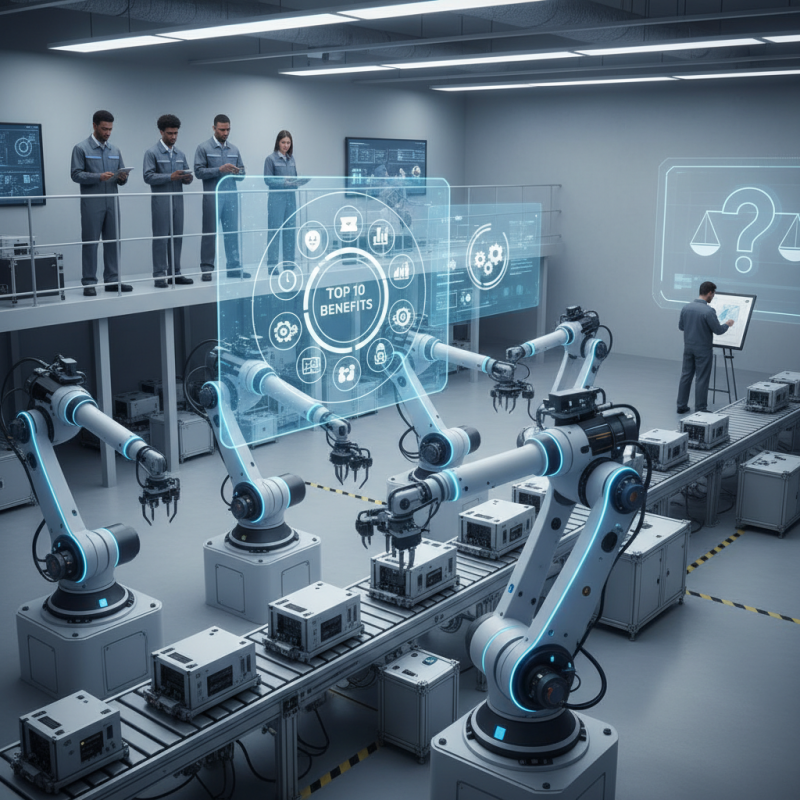
Turnkey automation systems play a vital role in modern business contexts. They offer ready-to-use solutions that streamline processes, saving time and money. These systems come fully equipped and require minimal setup. Businesses can focus on growth, rather than troubleshooting automation setups. When implemented correctly, they enhance efficiency across various operations.
Tip: Always assess your specific needs before implementing a turnkey system. Not all systems are one-size-fits-all. You might find that certain features are unnecessary for your operation. This reflection can lead to better spending and resource allocation.
A common misconception is that turnkey systems eliminate the need for user input. In reality, your team still needs to engage with the system. The success of automation heavily relies on user adaptability. Training is essential. Your staff must understand how to use the new tools. Sometimes, it takes a few tries to get it right.
Tip: Monitor and adjust the system regularly. Over time, business needs change, and so should your automation processes. Listening to team feedback can reveal areas for improvement. Embrace these changes to maximize the benefits of your turnkey automation system.
Turnkey automation systems offer numerous key features that greatly enhance efficiency for businesses. One significant aspect is their ability to integrate seamlessly with existing processes. This means you can automate workflows without a complete overhaul. Imagine notifications sent automatically when tasks are completed. This saves time and boosts productivity.
Another vital feature is real-time analytics. Business owners gain insights into operations instantly. This can highlight inefficiencies. Real-time data can help teams adjust quickly. But it requires careful monitoring. Sometimes, over-relying on automation might lead to overlooking human oversight. Managers must ensure that systems are running optimally.
User-friendly interfaces are also essential. Teams can adapt quickly to new software or tools. However, not all employees are tech-savvy. Training becomes a crucial element. It can take time for everyone to get on board. Still, the potential for improved efficiency is compelling. These features make turnkey automation systems a smart choice in a competitive landscape.
Turnkey automation systems offer significant advantages for businesses looking to optimize operations. One of the most compelling benefits is the reduction of operational costs. According to a recent report by McKinsey, companies that implement automation effectively can expect to reduce costs by up to 30%. This is crucial in a competitive market where every penny counts.
Automation minimizes the need for manual input. This not only speeds up processes but also decreases errors. For instance, a survey conducted by the International Federation of Robotics indicated that businesses that use robotic process automation report a 50% increase in efficiency. This efficiency translates to less downtime and fewer resources spent on rework. However, some companies struggle with the transition. There can be initial setup costs and a learning curve that may temporarily disrupt operations.
Moreover, turnkey systems often come with ongoing maintenance and support. Yet businesses might overlook the long-term value of this. A well-supported system can ensure a steady operational flow while preventing costly breakdowns. In some cases, companies have noted a drop in productivity during the switch to automated systems. Businesses must weigh these challenges against potential savings.
| Benefit | Description | Impact on Operational Costs | Estimated Savings (%) |
|---|---|---|---|
| Increased Efficiency | Streamlines processes and reduces time spent on tasks. | Reduces time-related costs. | 20% |
| Consistency and Accuracy | Minimizes human errors, ensuring reliable outcomes. | Lowers cost of errors and rework. | 15% |
| Scalability | Easily adapts to increased production demands. | Reduces need for additional workforce. | 25% |
| Enhanced Data Collection | Gathers accurate data for better decision-making. | Improves budgeting and forecasting. | 10% |
| Improved Customer Satisfaction | Delivers faster services, enhancing customer experiences. | Reduces costs associated with customer service issues. | 12% |
| Reduced Labor Costs | Automates repetitive tasks, minimizing the workforce needed. | Directly lowers salary expenses. | 30% |
| Quick Implementation | Turnkey solutions are ready to use almost immediately. | Reduces implementation costs and downtime. | 18% |
| Compliance and Risk Management | Ensures adherence to regulations and standards. | Reduces the risk of fines and penalties. | 15% |
| Better Resource Allocation | Allows for better distribution of resources based on data. | Maximizes available resources. | 10% |
| Long-term ROI | Increases overall profitability over time. | Enhances future budget management. | Variable depending on investment. |
Turnkey automation systems are becoming essential in today’s business landscape. They enhance scalability and flexibility, allowing companies to grow more efficiently. According to recent reports, over 40% of businesses using these solutions have seen a significant increase in operational capacity. This change allows for smoother adaptation to market demands.
Many startups face challenges with traditional systems, which can be rigid and slow. Turnkey solutions provide a ready-made framework. They reduce the time and effort needed to implement complex processes. Especially for smaller teams, the ability to scale quickly is a game changer. A survey indicated that businesses adopting these systems increased their response time by nearly 30%.
However, it is important to recognize that embracing turnkey solutions also comes with challenges. Some teams report feeling limited by the predefined structures. This can stifle creativity and innovation. A balance is needed between structure and flexibility. Companies must ensure that they don’t lose their unique identity while scaling up. Turning to data-driven solutions is beneficial, but it's essential to keep the human element in focus.
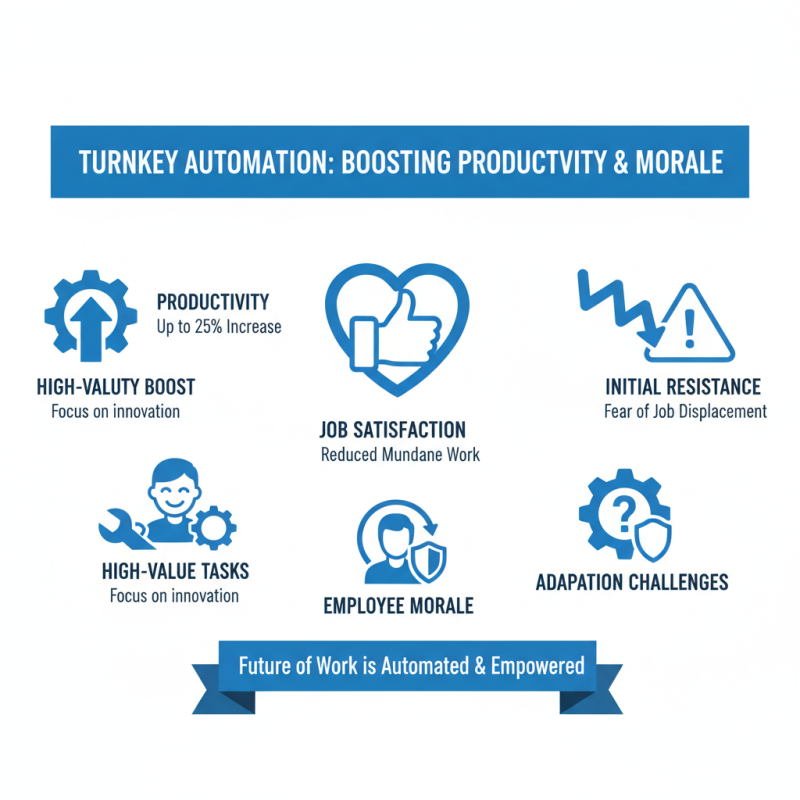
Turnkey automation systems can significantly impact workforce productivity and morale. Research indicates that companies adopting these systems experience a productivity boost of up to 25%. Employees can focus on high-value tasks, rather than mundane ones. This shift in responsibilities often leads to increased job satisfaction. However, not all employees adapt easily to automation. Initial resistance is common, especially among those who fear job displacement.
The World Economic Forum noted that automation can create new roles while making others obsolete. Companies that properly manage this transition see better morale. For instance, regular training sessions can help staff upskill, fostering a sense of security. Involving employees in the automation process is crucial. When they feel their input matters, engagement rises. Yet, some businesses overlook these aspects, leading to frustration and disengagement.
Moreover, there's a balance between technology and human touch. Automation can streamline processes, but a purely automated workforce might lack creativity. A study found that 40% of workers feel their input isn’t valued when technology takes over. It's essential for businesses to reflect on this dynamic. By blending automation with human insight, companies can achieve unprecedented levels of productivity and employee satisfaction.