10 Best Automation Industry Solutions for Global Buyers
Choosing the right automation industry solution can shape production speed, quality, safety, and long-term operating costs. Global buyers now face a crowded market of robotic systems, industrial software, machine vision platforms, sensors, and connected equipment. The strongest option is not always the most advanced one. It must fit the factory floor.
This guide reviews ten automation industry solutions for manufacturers, distributors, and international procurement teams. Each solution is considered through practical criteria, including integration effort, scalability, maintenance access, data security, energy use, and supplier support. A robotic arm may improve repetitive assembly, while a vision system can detect a small surface defect under changing light. A manufacturing execution system can connect production data with planning and inventory decisions.
Real-world performance matters. Buyers should examine installation records, operator training, spare-parts availability, and response times after commissioning. They should also verify relevant quality and safety documentation for their markets. A lower purchase price may hide costly software updates or difficult maintenance. That risk deserves attention.
No ranking can serve every factory. A small packaging line may need flexible cobots, while an automotive plant may require synchronized robotics and strict traceability. Some recommendations may change after a site audit. That is normal. Careful buyers compare measurable results, not impressive demonstrations. The goal is a reliable solution that performs on ordinary production days, not only during a polished supplier presentation.
Automation Industry Solutions: Scope, Applications, and Global Market Needs
10 Best Automation Industry Solutions for Global Buyers
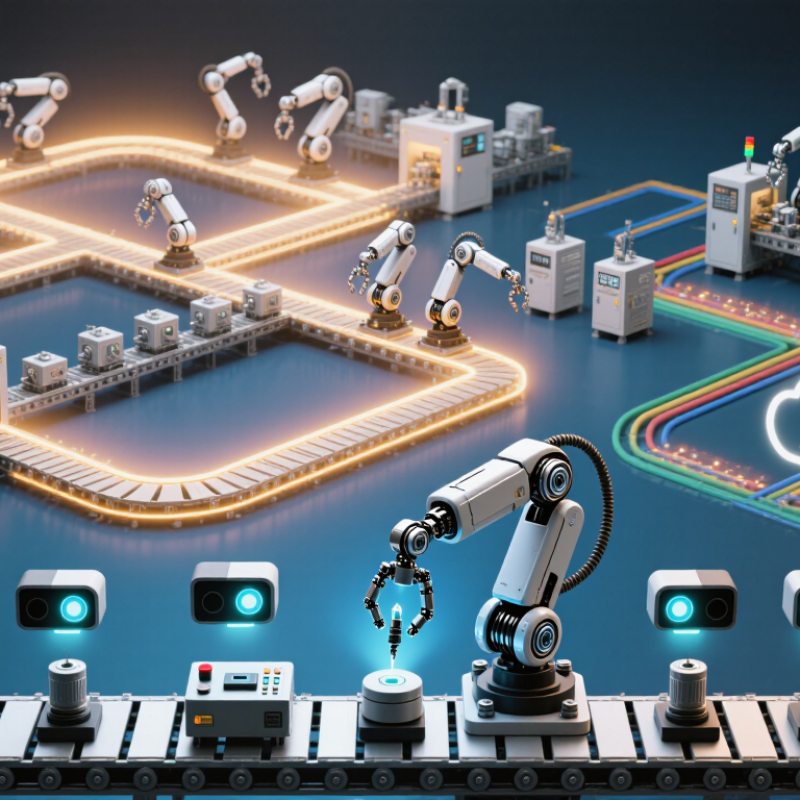
Automation industry solutions now cover far more than robotic arms. The ten strongest categories include industrial robots, collaborative robots, machine vision, PLC control, SCADA platforms, warehouse automation, process control, digital twins, industrial IoT, and safety systems. The International Federation of Robotics reported 541,302 industrial robots installed worldwide in 2023, with more than 4.28 million operating units. These figures show growing demand for flexible production, traceable quality, and reliable maintenance.
Applications differ by industry and region. Automotive plants need high-speed welding and inspection. Food processors require hygienic handling and accurate packaging. Warehouses increasingly combine conveyors, autonomous mobile systems, and warehouse software. The International Energy Agency reports that industry accounts for about 37% of global final energy use, making energy monitoring and automated process optimization important buying criteria. Small factories may gain more from modular controls than from a complete digital transformation.
The market still has gaps. The World Economic Forum’s Future of Jobs Report 2025 states that 58% of employers expect robotics and autonomous systems to transform business by 2030. However, integration skills, cybersecurity, spare parts, and local service often determine project success. Cheap hardware can become expensive downtime. Data quality remains an overlooked weakness. Global buyers should test interoperability, worker training, safety validation, and total ownership costs before selecting a solution. The “best” system is rarely the most advanced one; it is the one that performs consistently on the factory floor.
Industrial Robotics for Manufacturing, Assembly, and Material Handling
Industrial robotics is reshaping manufacturing, assembly, and material handling. For global buyers, the strongest solutions combine repeatable motion, flexible programming, and reliable safety controls. The International Federation of Robotics reported 541,302 industrial robots installed worldwide in 2023. The global operational stock exceeded 4.28 million units. These figures show sustained demand, even during uneven economic conditions.
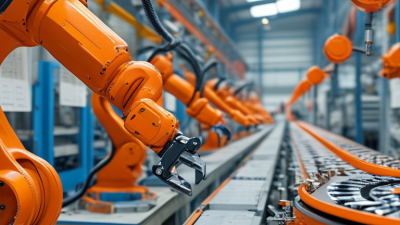
In manufacturing, robotic arms can handle welding, dispensing, inspection, and machine tending. Assembly systems support precise fastening, pressing, and component placement. Vision sensors help detect missing parts under changing light. Small details matter. A poorly positioned camera can create costly false rejects. The IFR World Robotics 2024 report also identifies electronics, automotive, and metal industries as major automation users. Buyers should compare cycle time, payload, reach, programming effort, and maintenance access.
Material handling requires different decisions. Palletizing, bin picking, and conveyor transfer depend on product shape, floor space, and line speed. The International Federation of Robotics recommends evaluating the complete application, not only the robot itself. A pilot cell can reveal unexpected delays. It may also fail to represent seasonal demand. That weakness deserves honest review. Global buyers should request documented uptime, training requirements, integration records, and measurable payback assumptions before approving a larger deployment.
Industrial Robotics Solutions by Global Manufacturing Sector
The chart shows the estimated share of new industrial robot installations by major manufacturing sector in 2023. These sectors commonly use robotic solutions for assembly, welding, picking, packaging, inspection, and material handling.
Source: International Federation of Robotics, World Robotics 2024. Percentages are rounded estimates based on reported global sector distribution.
Smart Factory Systems for Monitoring, Control, and Process Optimization
10 Best Automation Industry Solutions for Global Buyers
Smart factory systems connect sensors, controllers, production equipment, and software across the factory floor. They show temperature, vibration, pressure, energy use, and cycle time in near real time. Operators can spot abnormal patterns before a small fault becomes expensive downtime. Clear visual alerts also support faster decisions during busy production shifts. Experience matters here. A dashboard is useful only when workers trust its data.
Modern monitoring platforms can adjust machine settings through secure control logic and approved operating limits. This helps stabilize output, reduce material waste, and improve process consistency. Production teams may compare current results with historical trends, maintenance records, and quality inspections. The evidence supports practical changes rather than guesswork. Small improvements count.
Effective systems should use role-based access, data backups, audit trails, and reliable network design. These controls improve accountability and protect operational information. Integration with existing equipment can be difficult, especially when machines use different communication standards. I have seen projects fail because teams focused on software features before checking field conditions. That mistake is avoidable, but not always avoided. Human review remains essential, even with predictive analytics. A warning can indicate risk, not certainty. Global buyers should test alerts, recovery procedures, and operator training before expanding across multiple sites.
Selection Criteria for Global Buyers: Cost, Integration, Safety, and Support
Global automation buyers should judge solutions beyond purchase price. The International Federation of Robotics reported 541,302 industrial robots were installed worldwide in 2023. That scale shows strong demand, but it also increases the cost of poor selection. A cheaper system may require custom fixtures, specialist programming, or frequent downtime. Buyers should compare total cost of ownership, including energy, training, spare parts, software updates, and five-year maintenance.
Integration is often the real test. Check communication protocols, data formats, machine interfaces, and existing production software before signing. The International Society of Automation identifies interoperability and cybersecurity as important elements of modern industrial control. A practical trial should connect the solution to one real workstation, not a polished demonstration cell. It may expose delays, missing data, or weak operator workflows. That is useful evidence.
Safety must be measurable. ISO 10218 and ISO/TS 15066 provide guidance for industrial robots and collaborative applications, but compliance documents do not replace a site risk assessment. Inspect guarding, emergency stops, access points, and restart behavior under realistic conditions. Support matters just as much. Ask for response-time targets, local technicians, spare-part availability, and training records. The International Federation of Robotics has repeatedly linked skilled personnel with successful automation deployment. Buyers should also budget for people. Automation does not remove operational risk; it can relocate it.