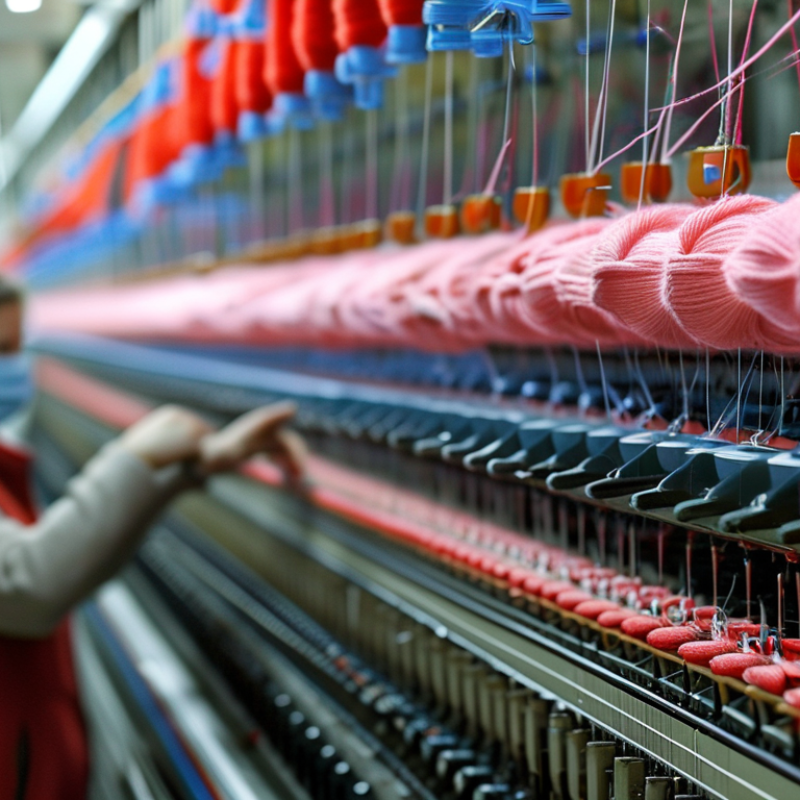
Best Fuzzy Yarn Machine for Global Buyers in 2026?
As the textile industry evolves, the demand for innovative machinery rises. The "Fuzzy Yarn Machine" stands out as a key player. Its unique design creates soft, textured yarns for various applications. Buyers worldwide seek machines that blend quality and efficiency.
In 2026, choosing the best Fuzzy Yarn Machine requires careful consideration. Factors such as durability, technology, and user-friendliness will be crucial. Although many options exist, not all machines deliver consistent results. Some may underperform or fail to meet expectations.
Professional insights are essential for making informed decisions. Leading manufacturers are constantly refining their technology. An ideal machine should not only produce high-quality yarn but also enhance productivity. The right Fuzzy Yarn Machine can revolutionize production processes while maintaining reliability.
Overview of Fuzzy Yarn Machines in the Global Market
Fuzzy yarn machines are becoming increasingly significant in the global textile market. These machines produce soft, lightweight yarns that are essential for high-quality textiles. As consumer demand for comfort and luxury rises, understanding fuzzy yarn machines is crucial for manufacturers and buyers alike.
The design and technology of these machines have evolved. Efficient operation and reduced energy consumption are key considerations. Many manufacturers focus on durability and maintenance ease. Effective machines can handle various fiber types, improving overall productivity and production flexibility.
Tips: Always assess the machine's adaptability to different fibers when choosing. Consider the maintenance requirements. Investing in training for operators can boost efficiency. It's essential to gather feedback from users before making decisions.
The global market is competitive. Keeping up with trends in automation and online technology integration is vital. Buyers should look for machines that offer better usability and data tracking. Innovations in fuzzy yarn machines often come from observing market needs. Implementing feedback loops can lead to significant improvements.
Key Features to Look for in Fuzzy Yarn Machines
In the evolving market for fuzzy yarn machines, several key features stand out for global buyers in 2026. Flexibility is paramount. Machines that can handle various fiber types will cater to different production needs. A study by the International Textile Manufacturers Federation indicates that adaptability promotes efficiency in textile production. Versatility allows manufacturers to innovate without significant downtime.
Another crucial aspect is energy efficiency. As energy costs rise, machines designed to minimize consumption are gaining traction. Reports suggest that energy-efficient machines can lower operational costs by 15-20%. This becomes a significant factor in long-term investment planning. Buyers should look for machines equipped with advanced technology to optimize energy use.
**Tip:** Always assess the maintenance requirements of a machine. A low initial cost can be misleading if maintenance is expensive or complicated.
Automation is also a vital feature to consider. Automated systems enhance production speeds and consistency. However, they require skilled operators. A balance between automation and manual oversight can lead to better quality control. As the industry progresses, the demand for smarter machines is inevitable. But not every innovation delivers immediate results; some may take time to integrate fully.
**Tip:** Keep an eye on new market trends. Continuous learning can make or break a buyer’s decision in a rapidly changing environment.
Best Fuzzy Yarn Machine for Global Buyers in 2026? - Key Features to Look for in Fuzzy Yarn Machines
| Feature | Description | Importance Rating (1-5) |
| Yarn Quality Control | Ensures consistent quality of yarn produced | 5 |
| Production Speed | Measures the speed at which yarn can be produced | 4 |
| Energy Efficiency | Indicates how much energy the machine consumes | 4 |
| User-Friendly Interface | Ease of use for machine operators | 5 |
| Maintenance Requirements | Frequency and ease of machine maintenance | 3 |
| Material Versatility | Ability to work with different types of yarn materials | 4 |
| Safety Features | Built-in safety protocols to protect workers | 5 |
| Technical Support | Availability of manufacturer support for troubleshooting | 4 |
Top Manufacturers of Fuzzy Yarn Machines for 2026
When considering the best fuzzy yarn machines for global buyers in 2026, it’s crucial to focus on the top manufacturers. These companies are known for their innovative designs and advanced technology. They play a vital role in producing high-quality fuzzy yarn, demanded in the textile industry. Many of these manufacturers prioritize sustainability, aiming to reduce waste and energy consumption in their processes.
Several key features to look for include versatility and ease of use. Machines that can handle various fibers improve efficiency. Buyers appreciate companies that provide excellent customer support and maintenance services. Industry experts emphasize the importance of choosing a machine that meets specific production needs. It can be frustrating to invest in equipment that falls short of expectations.
The competitive landscape in the fuzzy yarn market is constantly evolving. New entrants may challenge established players. This quickly changes the dynamics, and that can affect buyers' choices. Understanding emerging trends and technologies is essential for making informed decisions. Relying on expert opinions and market research can guide global buyers toward the right manufacturers. Balancing quality and cost remains a consideration for many businesses.
Market Trends Influencing Fuzzy Yarn Machine Production
As the global market for fuzzy yarn machines evolves, several key trends are influencing production. Increasing demand for sustainable and eco-friendly yarns drives manufacturers to innovate. Machines that efficiently use energy and recycle materials are in high demand. Buyers prioritize efficiency, leading to more advanced technology being integrated into machines.
Customization is another significant trend. Buyers increasingly seek specialized machines that cater to unique fabric requirements. This calls for manufacturers to adapt their production lines. Investing in flexible machinery enables them to meet diverse consumer preferences. It also reflects the growing trend for personalized textile products.
Price fluctuations in raw materials challenge manufacturers. They must balance quality and affordability. While machines can be high-tech, cost management remains critical. Producers are reflecting on how to streamline operations without sacrificing performance. These considerations shape the future of fuzzy yarn machine production amidst evolving market dynamics.
Purchasing Considerations for Global Buyers in 2026
When considering fuzzy yarn machines in 2026, buyers must focus on several key factors. The global market for knitting machinery is expected to reach approximately $1.5 billion by 2026, according to industry reports. This growth highlights the need for buyers to understand their production requirements and the specific attributes of machines available.
Production capacity remains crucial. Machines with higher output can significantly affect efficiency. A machine producing 300 kg of yarn per day can cater to large-scale needs. Additionally, energy consumption and sustainability are increasingly vital for manufacturers aiming to reduce their carbon footprint. Adopting energy-efficient models can save costs and support eco-friendly practices.
Tips: Always analyze machine specifications thoroughly. A lower upfront cost does not guarantee long-term savings. Look into warranty and support services offered by manufacturers. Reliable after-sales support enhances operation efficiency. Buyers should also consider the complexity of machine operation. Training and ease of use can impact workforce productivity. Conducting trial runs helps identify potential operational issues early on.