2026 Best Robotic Automation Solutions for Global Buyers?
In today's rapidly evolving industrial landscape, robotic automation stands out as a game changer. According to the International Federation of Robotics, global sales of industrial robots reached over 400,000 units in 2021, reflecting a market poised for continued expansion. Companies are increasingly adopting robotic solutions to enhance productivity and reduce operational costs. In fact, a report by McKinsey reveals that automation could increase labor productivity by up to 30% in some industries.
However, integrating robotic automation is not without challenges. Businesses must navigate obstacles like system compatibility, workforce resistance, and the necessity for ongoing maintenance. Many companies see promising returns, but some experience setbacks during the transition phase. Understanding these nuances is crucial for achieving successful automation.
As we approach 2026, the landscape will further transform with advancements in artificial intelligence and machine learning. This evolution will create new opportunities and redefine existing roles. Buyers in the global market must stay informed about the latest robotic automation solutions to remain competitive. It's essential to embrace both the potential and the pitfalls of this technology to make informed decisions.
Overview of Robotic Automation Solutions in 2026
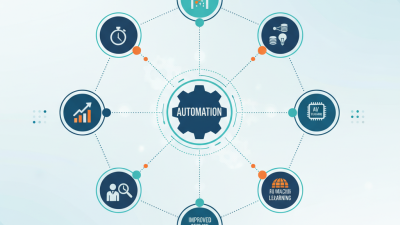
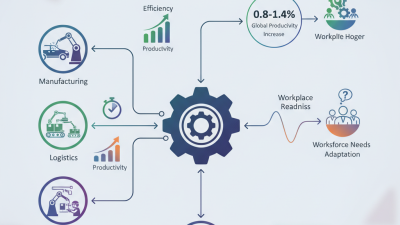
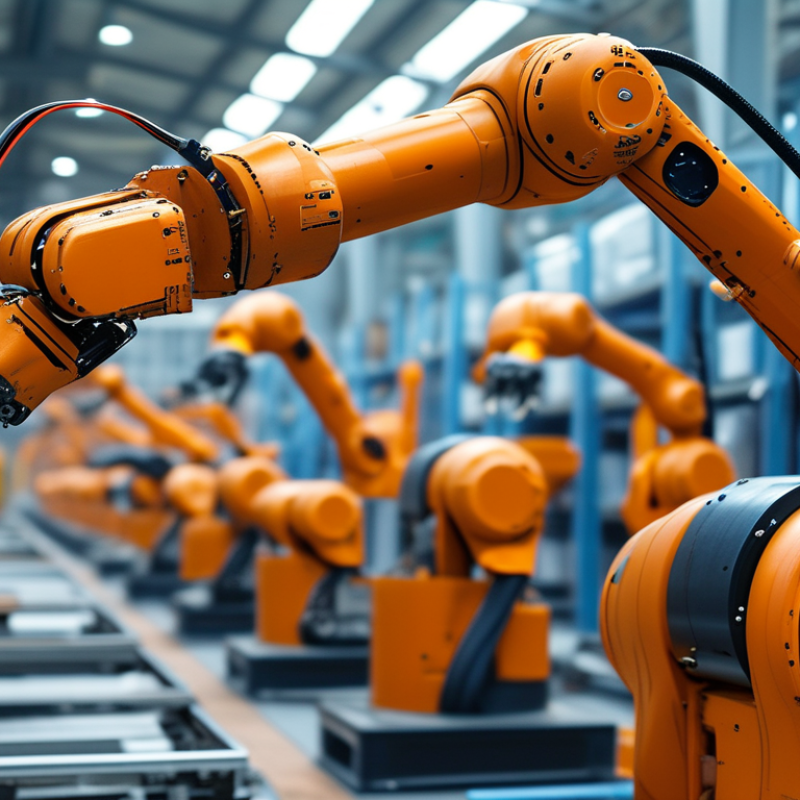
The landscape of robotic automation solutions in 2026 is evolving rapidly. Companies across various sectors are increasingly adopting these technologies to enhance efficiency and productivity. From manufacturing to logistics, automation is streamlining processes. This trend reflects a broader shift toward digital transformation that emphasizes speed and accuracy.
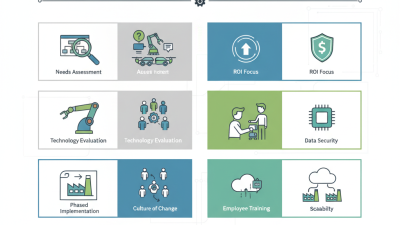
In this digital era, integrating automation can be challenging. Many businesses grapple with selecting the right solutions tailored to their specific needs. It’s essential to conduct thorough research. Look for systems that offer flexibility and can adapt to changing demands. Sometimes, a one-size-fits-all approach fails. Businesses need to think critically about their unique operational challenges.
Investing in training is just as vital. Without knowledgeable staff, even the best technology can underperform. Staff must understand new systems deeply. Although many solutions come with user-friendly interfaces, human intuition is irreplaceable. Organizations must continuously assess how well automation impacts workflow. Regular feedback loops can illuminate areas needing improvement. This reflection fuels ongoing growth and innovation.
2026 Best Robotic Automation Solutions for Global Buyers
| Solution Type |
Key Features |
Industry Applications |
Estimated Cost |
User Rating |
| Industrial Robot |
High precision, programmable, high payload |
Manufacturing, Warehousing |
$50,000 - $150,000 |
4.5/5 |
| Collaborative Robot (Cobot) |
Safety features, easy to program, lightweight |
Small and medium enterprises |
$20,000 - $60,000 |
4.7/5 |
| Automated Guided Vehicle (AGV) |
Autonomous navigation, routing algorithms |
Logistics, Warehousing |
$30,000 - $100,000 |
4.2/5 |
| Robotic Process Automation (RPA) |
Workflow automation, process integration |
Finance, HR, Customer Service |
$10,000 - $300,000 |
4.6/5 |
| Drone Delivery System |
Autonomous flight, package drop |
E-commerce, Healthcare |
$15,000 - $45,000 |
4.8/5 |
Key Features to Consider When Choosing Automation Solutions
When selecting robotic automation solutions, understanding key features is vital. One of the primary aspects is scalability. Your business may grow or evolve, so choose systems that can adapt accordingly. Consider whether the technology can handle increased workloads or integrate with new processes seamlessly.
Integration capabilities are also crucial. A solution should work harmoniously with existing tools and systems. The simpler the integration, the quicker you can start reaping benefits. Look for solutions that offer open APIs or support common industry standards. This flexibility reduces the risk of obsolescence and improves long-term usability.
Training and support matter significantly. A complex solution can lead to costly downtime if employees don’t understand how to use it effectively. Examine the resources available for training and troubleshooting. Good vendors will provide extensive documentation and responsive customer service. Ensure those resources align with your team's technical competency.
Regularly revisit your automation needs. The industry evolves quickly, and what works today may not suffice in the future. Engaging with industry forums and user groups can offer insights into emerging trends and innovations. Keep your finger on the pulse to ensure optimal investment in technology.
Leading Robotic Automation Technologies and Their Applications
Robotic automation solutions are transforming industries worldwide. These technologies enhance efficiency and accuracy, particularly in manufacturing, logistics, and healthcare. For example, collaborative robots or cobots work alongside humans. They simplify complex tasks, boosting productivity without replacing the workforce. This partnership allows businesses to maximize output while ensuring worker safety.
In warehousing, robotic systems streamline operations. Automated guided vehicles transport goods seamlessly. This reduces human error and accelerates order fulfillment. The healthcare sector also benefits, with robots assisting in surgeries or managing inventory. These applications show the versatility of robotic systems and their significance in various sectors.
It is crucial to stay informed about trends in robotic technologies. They change rapidly, and what works today may not be best tomorrow. Explore platforms that offer insights into emerging solutions. Collaborate and share knowledge within your industry to identify opportunities and challenges. Embrace flexibility in adaptation, as the right technology may differ based on unique operational needs.
Market Trends Driving Robotic Automation Adoption Worldwide
The landscape of robotic automation is evolving rapidly. Companies are increasingly recognizing the benefits of integrating automation into their operations. Enhanced efficiency, reduced labor costs, and increased accuracy drive this trend. Organizations are turning to automation solutions to improve productivity and remain competitive.
Market dynamics play a vital role in this shift. The growth of e-commerce has heightened demand for faster processing and fulfillment. As customers expect quicker deliveries, businesses are compelled to streamline their operations. Robotics can handle repetitive tasks with precision, supporting human workers and allowing them to focus on complex duties.
However, the adoption of robotic solutions comes with challenges. Companies often face resistance from employees concerned about job security. Moreover, integration into existing systems can be complicated. Businesses must address these concerns and ensure a smooth transition. Enhancing the workforce's skills alongside technology adoption can lead to a more harmonious environment.
Top Companies Offering Robotic Automation Solutions in 2026
In 2026, the demand for robotic automation solutions continues to grow globally. Recent industry reports indicate that the market is expected to reach $80 billion by 2026. Organizations are increasingly turning to automation to enhance efficiency and reduce costs. However, concerns about jobs and workforce displacement remain prevalent.
Top companies are innovating in artificial intelligence and machine learning within robotic solutions. These advancements allow robots to perform complex tasks with greater accuracy. According to a survey by a leading automation research firm, 65% of businesses note improved productivity after integrating automation technologies. Yet, challenges persist. Many companies cite difficulties in implementing these technologies into existing workflows.
Moreover, reliability and maintenance of robotic systems are critical issues. Companies often face downtime due to technical failures. A recent analysis shows that 35% of businesses experience unplanned outages related to robotic systems. Adapting to these technologies demands ongoing training and support for staff, highlighting the need for continuous improvement in operational strategies. Embracing automation is not just about technology; it’s a journey that requires careful planning and reflection.