10 Best Robotics Jobs for a Thriving Career in Automation
In the rapidly evolving world of automation, robotics jobs are at the forefront of technological innovation, driving industries towards greater efficiency and productivity. As organizations increasingly rely on automated systems to streamline operations, the demand for skilled professionals in the robotics sector has surged. This environment not only presents vast opportunities for career growth but also enables individuals to contribute significantly to groundbreaking projects that shape the future of work.
From engineers who design intelligent machines to technicians who maintain these systems, the landscape of robotics jobs is diverse and multifaceted. Each role plays a crucial part in the development and implementation of robotics solutions across various sectors, including manufacturing, healthcare, and logistics. As the field continues to expand, professionals dedicated to acquiring the necessary skills and expertise will find themselves in a prime position to thrive in this exciting and lucrative career path. Understanding the best robotics jobs available today will provide valuable insights for aspiring candidates seeking to navigate this promising domain.

Overview of Robotics Job Market Trends and Opportunities
The robotics job market is experiencing unprecedented growth, driven by advances in automation technology and increasing demand across various industries. According to a report by Allied Market Research, the global robotics market is projected to reach $150 billion by 2027, growing at a compound annual growth rate (CAGR) of 26% from 2020. This surge translates into a tremendous array of job opportunities for skilled professionals in the field. As industries such as manufacturing, healthcare, and logistics integrate robotics to enhance efficiency and reduce costs, the need for robotics engineers, technicians, and software developers is rapidly escalating.
In particular, roles that combine robotics with artificial intelligence (AI) are becoming increasingly valuable. The Bureau of Labor Statistics forecasts that employment in robotics-related fields will grow significantly, with roles such as robotic engineers and automation specialists expected to grow by 10% over the next decade. This growth is fueled by the widespread adoption of robotic solutions to streamline operations and improve productivity. Furthermore, sectors such as agriculture and construction are beginning to adopt robotic technologies, thereby opening new pathways for professionals in these industries. With the ongoing advancements in robotics and automation, now is an opportune time for individuals to pursue a career in this dynamic and evolving field.
Overview of Top Robotics Jobs and Their Average Salaries
Essential Skills Required for a Career in Robotics
A career in robotics is an exciting opportunity that requires a blend of technical skills and practical experience. Key skills for anyone looking to succeed in this field include programming, mechanical design, and systems integration. Proficiency in languages such as Python, C++, or ROS (Robot Operating System) is essential for developing efficient robotics applications. Understanding mechanical systems and their components enables engineers to design and build robots that are functional and reliable.
Tips for aspiring robotics professionals include engaging in hands-on projects and internships. Building your own robots or participating in robotics competitions can enhance your practical skills. Additionally, consider taking online courses or certifications that focus on specialized areas, such as machine learning or AI, which are increasingly relevant in the robotics domain.
Another essential skill is an understanding of control systems and sensor technologies. Knowledge in these areas allows professionals to design robots that can interact with their environment intelligently. As automation continues to grow, staying updated with the latest technologies and trends in the industry will provide a competitive edge in securing top robotics roles. Engaging with online communities and forums can also provide valuable insights and networking opportunities within the field.
Top 10 Robotics Job Roles: Responsibilities and Salary Expectations
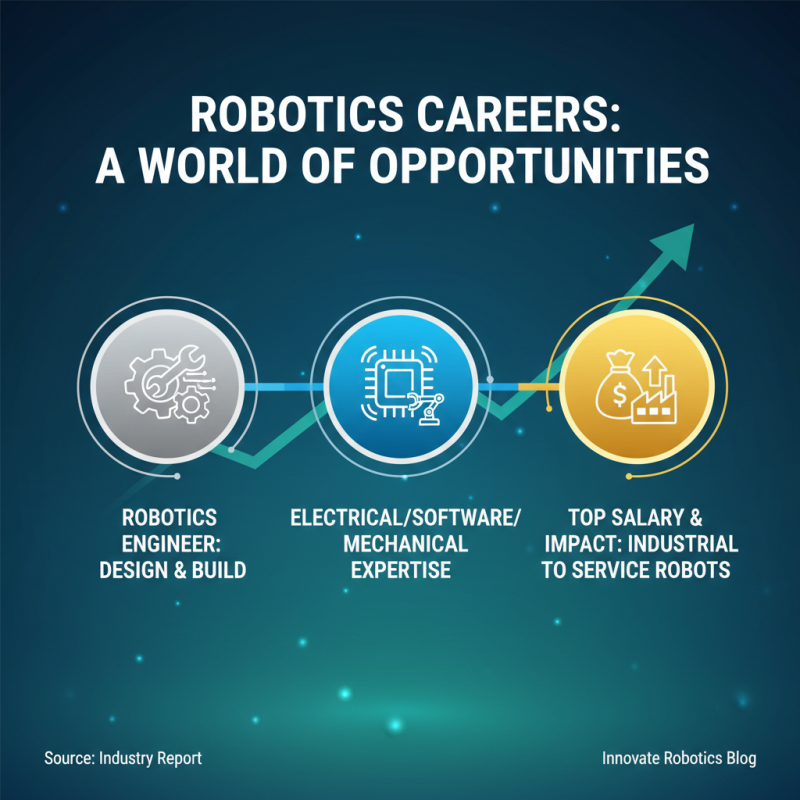
The field of robotics is rapidly expanding, offering a plethora of job opportunities that cater to different interests and skill sets. Among the top roles is the Robotics Engineer, who is responsible for designing, building, and testing robotic systems for various applications. This role typically requires a deep understanding of mechanical, electrical, and software engineering, and professionals can expect a competitive salary reflecting their expertise and impact on projects ranging from industrial automation to service robotics.
Another promising career in robotics is that of a Robotics Technician, who plays a vital role in maintaining and repairing robotic systems. This position requires practical skills and knowledge of robotic operations and troubleshooting techniques. Technicians are crucial in ensuring that robotic systems run smoothly and efficiently, with salaries often influenced by the complexity of the systems they service. Additionally, roles such as Robotics Software Developers are gaining traction, where professionals create the algorithms and software that drive robotic functionality, often resulting in lucrative compensation as demand for software solutions in automation increases.
Education and Training Pathways for Robotics Professionals
Education and training are pivotal for anyone aspiring to build a career in robotics, particularly in an era where automation is gaining exponential traction across industries. According to the International Federation of Robotics, the global robotics market is projected to reach $189 billion by 2025, indicating a soaring demand for skilled professionals in this dynamic field. Individuals interested in robotics should consider enrolling in specialized degree programs, such as robotics engineering, mechatronics, or computer science, which provide a foundational understanding of both the theoretical and practical aspects of robotics.
In addition to formal education, hands-on training and certifications play a critical role in enhancing employability. Programs that offer internships and cooperative education experiences allow students to apply their classroom knowledge in real-world settings, an essential factor highlighted in a report by the Bureau of Labor Statistics. Furthermore, learning modern programming languages, familiarity with artificial intelligence, and mastering robotics simulations can significantly boost one's career trajectory. As industries like manufacturing, healthcare, and logistics continue to integrate robotic solutions, staying abreast of technological advancements and continuously updating skill sets is vital for success in the robotics profession.
Future Growth and Emerging Technologies in Robotics Careers
The field of robotics is rapidly evolving, fueled by advancements in artificial intelligence, machine learning, and automation technologies. As industries increasingly embrace automation, the demand for skilled professionals in robotics is set to surge. Emerging technologies such as collaborative robots (cobots) and autonomous systems are transforming traditional workflows across various sectors, creating new career opportunities for individuals equipped with the right skills and knowledge.
Future growth in robotics careers will likely hinge on interdisciplinary collaboration, where expertise in engineering, computer science, and data analytics converge. Innovations in areas like sensor technology and human-robot interaction are paving the way for more intuitive and efficient robotic systems. As companies seek to enhance productivity and safety, the roles available in robotics—ranging from robotic software developers to systems integrators—will become increasingly critical. Those entering this field will find themselves at the forefront of technological breakthroughs, contributing to the next wave of industrial and societal advancements in automation.