Best WPC Wall Panels for Global Buyers in 2026?
As the global market for building materials evolves, Wpc Wall Panels emerge as a popular choice. A recent report by Grand View Research highlights a projected growth rate of over 20% for the WPC market by 2026. This growth is driven by the rising demand for sustainable and durable building solutions. Eco-friendly properties of WPC wall panels appeal to sellers and buyers alike.
Versatile and lightweight, WPC wall panels are ideal for various applications. They are increasingly favored in residential and commercial environments. According to the International Trade Administration, the demand for WPC materials is set to rise due to urbanization trends and increased renovations. However, manufacturers face challenges in ensuring quality and consistency.
As buyers navigate their options in 2026, they must consider factors such as material sourcing and environmental impact. Not all WPC wall panels are created equal. Some products may sacrifice durability for cost savings. This landscape calls for informed decisions and careful evaluation of suppliers, emphasizing the need for reliable information and trusted expertise in the marketplace.
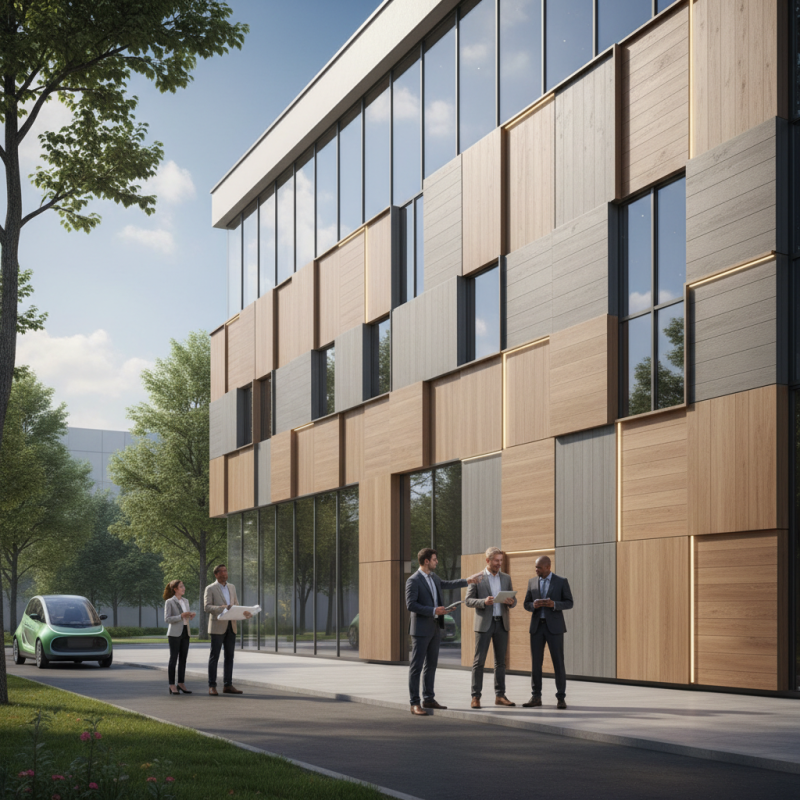
Types of WPC Wall Panels: An Overview for Global Buyers
WPC wall panels are gaining traction among global buyers looking for sustainable construction materials. These panels combine wood fibers and thermoplastics, resulting in durable, weather-resistant products. The blend of materials offers versatility in design, making these panels suitable for both interior and exterior applications.
There are various types of WPC wall panels. Some focus on aesthetic appeal, resembling natural wood. Others cater to functionality, offering high resistance to moisture and pests. Some panels feature intricate textures and finishes, enhancing visual interest. A few products may lack the expected sturdiness, a factor buyers should reflect upon. Quality can vary significantly across manufacturers. Always conduct thorough inspections before making a purchase.
Installation is another critical aspect. Some panels are designed for easy DIY installation. Others may require professional assistance, which could increase project costs. It's essential to weigh the benefits against potential difficulties. Global buyers must prioritize reliable sources. Seeking testimonials and case studies can help ensure the chosen panels meet quality expectations.
Key Features to Consider When Choosing WPC Wall Panels
When choosing WPC (Wood Plastic Composite) wall panels, understanding key features is crucial. Durability is paramount. These panels should withstand changing weather conditions without warping. Look for options that promise high resistance to UV rays. This ensures that colors remain vibrant over time.
Another vital feature is moisture resistance. WPC wall panels with low water absorption help prevent mold and mildew. This is important, especially in humid climates. Consider texture and finish too. Textured surfaces offer better grip and aesthetics than smooth ones. They can elevate the overall look of your space.
Ease of installation is often overlooked. Some panels require special tools and expertise. This can lead to additional costs. Opt for user-friendly panels that simplify the installation process. However, be aware that even high-quality panels may have manufacturing imperfections. Inspect samples to ensure consistency. Balance these factors to make an informed choice.
Best WPC Wall Panels for Global Buyers in 2026
This chart displays the importance ratings of different key features to consider when selecting WPC wall panels for global buyers in 2026. The ratings indicate how critical each feature is, with water resistance being the most valued at 9, followed by durability and sustainability.
Top Manufacturers and Brands of WPC Wall Panels in 2026
As the market for WPC wall panels evolves, a few manufacturers stand out for their commitment to quality and innovation. These brands focus on sustainable materials, ensuring durability and aesthetic appeal. They emphasize product performance in various climates and conditions, making them suitable for diverse applications. Each manufacturer uses advanced technology to enhance the longevity of their wall panels.
The competitive landscape is dynamic, with new brands entering the market. This can lead to confusion for buyers. Some companies may promise advanced features that aren't fully tested. It’s crucial for global buyers to do thorough research. Consider the specific needs for application, design choices, and environmental impacts.
Manufacturers also vary in their customer service approaches. Some may offer warranties, while others may not be as reliable. A buyer should weigh these factors carefully. Gathering feedback from previous customers can offer valuable insights into the strengths and weaknesses of different brands.
Remember, not all manufacturers will meet the same standards. Careful consideration will ensure a wise investment.
Sustainability and Environmental Impact of WPC Wall Panels
WPC wall panels are gaining popularity due to their sustainable qualities. Made from a mix of wood fibers and plastic, WPC panels provide a compelling alternative to traditional materials. They are often seen as eco-friendly because they utilize recycled materials. This reduces the demand for virgin wood and helps to conserve forests. However, it’s also important to consider the sourcing of the plastic components, as the production process can have its own environmental impact.
When selecting WPC wall panels, consumers should look for products that emphasize sustainability. Check for certifications that prove responsible sourcing. Not all WPC panels are created equal; some may include additives that harm the environment. It’s crucial to research the manufacturing processes. Understanding where materials come from is vital for minimizing ecological footprints.
Tips: Always ask for transparency from manufacturers. Inquire about the ratio of recycled materials used. Look for panels with a long lifespan, which can contribute to less waste over time. A detailed comparison can help in choosing the most environmentally-friendly option. Reflecting on the overall impact, it is essential to analyze how your choices affect the planet in the long run.
Market Trends and Innovations in WPC Wall Panel Technology
In 2026, WPC (Wood Plastic Composite) wall panels are set to evolve significantly. Recent industry reports indicate that the global WPC market is projected to reach $9.5 billion by 2026, driven by increasing demand for sustainable building materials. The blend of wood fibers and recycled plastics offers an eco-friendly alternative, appealing to environmentally-conscious consumers.
Innovations are leading to enhancements in durability and aesthetics. For instance, improved manufacturing techniques have resulted in panels that resist moisture and fading. According to a 2023 market study, around 68% of consumers prioritize low-maintenance solutions for exterior and interior applications. Consequently, companies are investing in R&D to integrate more advanced features like antimicrobial properties.
While the advancements are promising, there are still areas for improvement. Challenges in recycling WPC products at the end of their lifecycle remain. Industry experts suggest that greater emphasis should be placed on creating a circular economy for WPC materials. Manufacturers face the responsibility to innovate further while ensuring their products maintain the necessary environmental standards.
Best WPC Wall Panels for Global Buyers in 2026
| Panel Type | Thickness (mm) | Width (mm) | Length (mm) | Color Options | Key Features |
| Standard WPC Panel | 12 | 200 | 3000 | Brown, Grey, Green | Eco-friendly, Water-resistant |
| Textured WPC Panel | 15 | 250 | 3000 | Dark Wood, Light Wood | Durable, Easy Installation |
| Fire-Resistant WPC Panel | 10 | 220 | 3000 | Red, White, Blue | Fire-resistant, Long-lasting |
| Insulated WPC Panel | 20 | 300 | 3000 | Black, Grey | Energy-efficient, Lightweight |