China Top Robotics and Automation Solutions for Global Buyers?
In today's rapidly evolving industrial landscape, robotics and automation play a pivotal role. China stands as a formidable presence in this sector, offering innovative solutions for global buyers. With a focus on efficiency and precision, Chinese companies are at the forefront of developing advanced technologies. Their expertise in robotics and automation attracts attention worldwide.
Many Chinese firms specialize in creating reliable robotic systems. Their solutions range from manufacturing to logistics, showcasing versatility. However, some buyers may hesitate due to quality concerns. It’s essential to properly assess the capabilities and track records of these companies. A thorough understanding of their offerings can mitigate risks associated with international procurement.
As businesses aim for increased productivity, the demand for automation will only rise. China’s commitment to research and development reinforces its position in the market. By examining the top robotics and automation solutions, global buyers can make informed choices. Embracing these technologies is a journey requiring careful evaluation and consideration.
China's Dominance in Global Robotics Market: An Overview
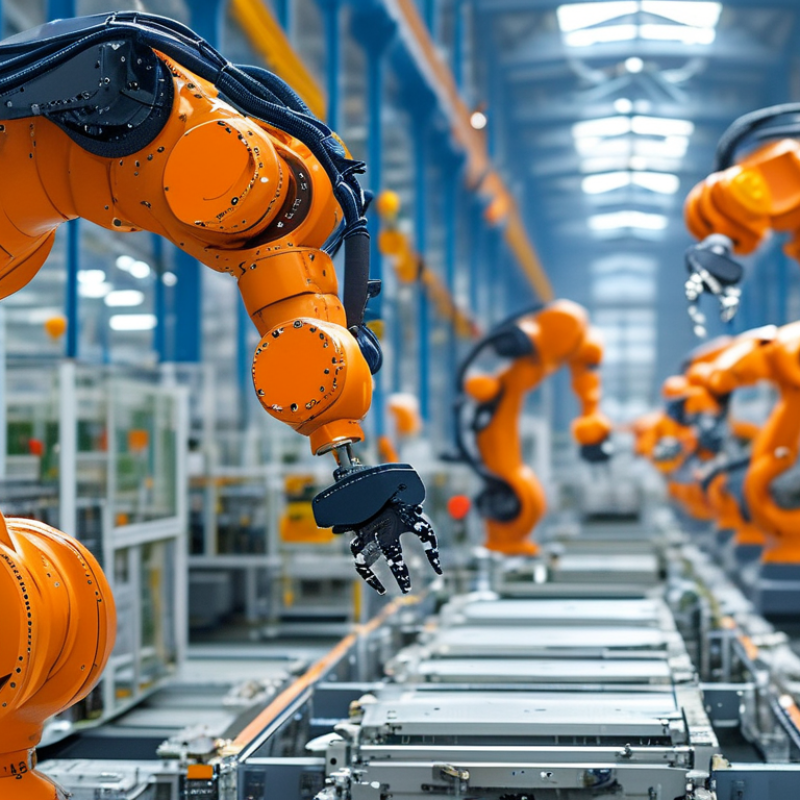
China has emerged as a powerhouse in the global robotics and automation industry. With a projected market size exceeding $110 billion by 2025, it commands over 30% of the world’s robotics market. This growth is driven by advanced manufacturing and an increasing demand for automation across various sectors. Reports indicate that China is the largest industrial robot market, accounting for nearly 45% of global sales in 2021.
The focus on innovation and integration in automation technologies helps Chinese manufacturers stay competitive. The increasing investment in research and development enhances their capabilities. However, challenges also exist. There are concerns about the sustainability of growth and reliance on global supply chains. Industry analysts highlight the need for continuous improvements to maintain this momentum.
For global buyers looking to engage with Chinese robotics solutions, understanding local regulations and market dynamics is crucial. Familiarizing oneself with compliance standards can mitigate potential risks. Establishing strong relationships with local partners may also aid in navigating this complex landscape. The evolving landscape requires adaptability and strategic foresight.
Key Players in China’s Robotics and Automation Industry
China's robotics and automation industry has seen rapid growth. Key players are investing heavily in research and development. These companies are advancing technology to improve efficiency in manufacturing, logistics, and healthcare.
In recent years, several notable firms have emerged. They focus on innovative robotics solutions that address market needs. Collaborative robots are gaining traction, allowing for safer human-machine interaction. Many firms are also exploring AI integration to enhance functionality. This integration aims to optimize production lines and reduce operational costs.
Despite advancements, challenges remain. The competition is fierce, and staying ahead requires constant innovation. Companies must navigate regulatory environments and address cybersecurity risks. As the market evolves, those who adapt their strategies will thrive. Recognizing these hurdles is important for future success.
Current Market Trends and Future Projections for Robotics in China
China's robotics and automation sector is transforming rapidly. The market is shifting towards AI-driven solutions. Many companies are investing heavily in research and development. This evolution reflects a growing demand for smart manufacturing practices. Technology adoption is not uniform across all regions. Some areas lag behind in implementation and infrastructure.
As global companies eye Chinese technology, several trends are emerging. Customized automation solutions are becoming essential. Industries are leaning toward modular systems that allow for flexibility. However, the integration of advanced robotics is often challenged by workforce skills gaps. Training and education efforts must keep pace with technological advancements. This creates a cycle of adaptation and learning.
Looking ahead, projections suggest significant growth in collaborative robots. These robots are designed to work alongside humans. Yet, the long-term sustainability of this trend requires careful planning. Concerns about job displacement and ethical implications remain prevalent. Addressing these issues is crucial for continued progress in the robotics field.
Impact of Government Policies on Robotics and Automation Growth
Government policies significantly impact the growth of robotics and automation in China. The Chinese government has prioritized this sector. According to a report by the International Federation of Robotics, China is projected to be the largest market for industrial robots by 2025, with growth rates nearing 20% annually. Such policies include funding initiatives and tax incentives aimed at encouraging technological advancements.
Nonetheless, these efforts come with challenges. While subsidies promote innovation, they can lead to overreliance on government support. Businesses may hesitate to innovate independently. A study from McKinsey indicates that companies need to diversify their funding sources to maintain long-term growth. Furthermore, regulatory frameworks can be slow to adapt, sometimes hindering faster integration of cutting-edge technologies.
Interestingly, the emphasis on robotics in manufacturing is just one part of a larger picture. The 2022 China Automation Market Report highlighted a growing shift towards service robots, including healthcare and logistics. This diversification indicates both opportunities and potential pitfalls. If companies do not align with government priorities, they may find it difficult to compete effectively in a rapidly changing landscape.
China Top Robotics and Automation Solutions for Global Buyers
| Solution Category |
Growth Rate (%) |
Market Demand (USD Billion) |
Key Applications |
Government Support Initiatives |
| Industrial Robotics |
12% |
10.5 |
Manufacturing, Transportation |
Tax Incentives, Research Grants |
| Autonomous Vehicles |
15% |
5.2 |
Logistics, Public Transport |
Safety Regulations, Infrastructure Development |
| Service Robots |
18% |
3.3 |
Healthcare, Hospitality |
Subsidies for Deployment |
| Agricultural Automation |
10% |
2.1 |
Farming, Soil Monitoring |
Research Funding, Skill Development Programs |
| Logistics and Supply Chain Automation |
11% |
8.4 |
Warehousing, Inventory Management |
Investment in Digital Infrastructure |
Innovative Technologies and Applications in China's Robotics Landscape
China's robotics industry is witnessing rapid transformation. Innovative technologies are reshaping various sectors, from manufacturing to agriculture. According to a recent report by the International Federation of Robotics, China's market for industrial robots grew by 11% in 2022 alone. This growth is fueled by a shift towards automation, improving efficiency and reducing costs for businesses.
Emerging applications include collaborative robots, or cobots, which work alongside humans. Their use is increasing in factories, enhancing safety and productivity. Furthermore, the integration of AI in robotics allows for advanced problem-solving capabilities. A study by Deloitte indicates that AI-powered robots could boost productivity by up to 40% in some sectors.
However, challenges remain. The fast-paced innovation can lead to a skills gap in the workforce. Many workers may not have the necessary training for advanced automation roles. Additionally, there are concerns about over-reliance on robotics, which may impact job security. Addressing these issues is crucial as China continues to solidify its position in the global robotics landscape.
China's Robotics and Automation Solutions: Market Share by Application