How to Choose the Best Ceramic Mixer Machine for Your Needs?
Selecting the right ceramic mixer machine can significantly impact efficiency and quality in production. According to industry reports, the global ceramic mixer market is projected to grow by 5.2% from 2022 to 2027. This growth reflects the increasing demand for high-quality ceramic products. Thus, making an informed choice is crucial for manufacturers.
Ceramic Mixer Machines vary in size and capabilities, influencing production speed and material consistency. A well-chosen machine can enhance productivity. However, many manufacturers struggle to find the optimal mixer that meets their specific needs. Often, they overlook important features such as capacity, durability, and maintenance ease. This oversight can lead to operational inefficiencies.
Investing time in research and assessment is imperative. Understanding unique production requirements is vital when selecting a Ceramic Mixer Machine. For instance, the type of materials being mixed plays a significant role in this decision. It is essential to reflect on past choices and continuously seek improvements for better results. Balancing quality with cost is a common challenge. Therefore, thoughtful consideration is necessary to ensure that the chosen machine truly aligns with production goals.
Understanding the Different Types of Ceramic Mixer Machines
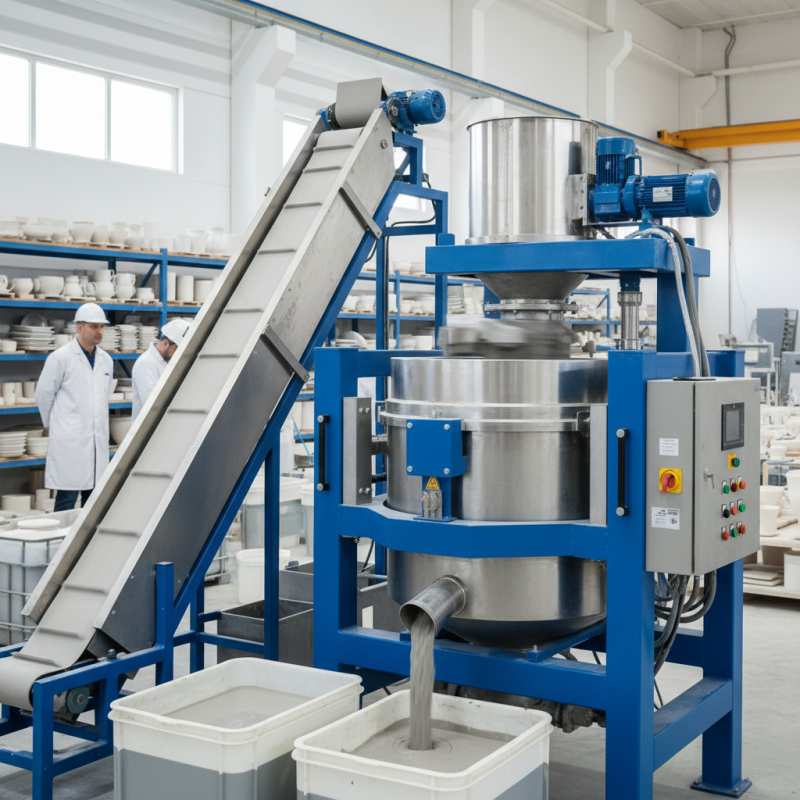
When choosing a ceramic mixer machine, understanding the different types is essential. There are mainly three categories: paddle mixers, planetary mixers, and continuous mixers. Paddle mixers are versatile and ideal for both dry and wet materials. They ensure uniform mixing but may require more time. Planetary mixers are efficient for finer materials. Their unique design makes them perfect for producing high-quality ceramic products. Continuous mixers, on the other hand, are best for large-scale production. They offer speed and efficiency but may lack uniformity.
In a recent industry report, 52% of ceramic manufacturers prefer paddle mixers for smaller batches. This preference highlights the need for flexibility in production. But consider the drawbacks of paddle mixers, as they might not be suitable for all types of clay. Also, the mixing time can affect the quality of the final product. Planetary mixers show a 30% increase in productivity for fine materials but can be more expensive.
**Tip:** Assess your production scale first. If you often produce small batches, a paddle mixer is beneficial. For larger volumes, consider investing in a continuous mixer. Always factor in the type of clay you use. This will help you find the best fit.
Understanding the Different Types of Ceramic Mixer Machines
Key Features to Consider When Choosing a Ceramic Mixer
Choosing the right ceramic mixer machine can become overwhelming. Consider key features that match your needs. Look for the mixing capacity. A larger capacity can save time in the long run. However, it may take up more space in your workshop. Balance between size and your workspace is crucial.
Next, think about the power and speed settings. Different materials may require different speed levels. A variable speed option is beneficial for versatility. You may want to experiment with various settings. This exploration can help you find what works best.
Durability is another significant aspect. Ceramic mixing can be tough on machines. Look for materials that withstand wear and tear. It’s wise to consider warranty options, as they can indicate quality. Some machines may look appealing but lack the necessary strength. Always read reviews to gain insights from other users’ experiences. Finding the perfect mixer is a journey. You might make mistakes along the way, but that’s part of the process.
Assessing the Capacity and Power of Ceramic Mixers
When selecting a ceramic mixer machine, it's crucial to think about capacity and power. The capacity determines how much material you can mix at once. Larger projects will need a higher capacity machine. For small batches, a compact model can suffice. Think about your typical production volume. A mismatch can lead to inefficiencies.
Power is equally important. A powerful mixer can handle tougher materials with ease. Look for models that offer sufficient wattage. It ensures consistent results, especially for dense ceramics. A machine that struggles can compromise quality. Sometimes, lower power machines can work well for specific tasks. Explore these options carefully.
Additionally, pay attention to motor types. Some mixers use direct drive systems; others have gears. Direct drive can often provide better performance. Gears may offer versatility. Check user reviews to gauge performance and reliability. There can be hidden drawbacks. Trying out a machine before making a purchase is valuable. Building a ceramic mixer machine might take time and effort. Reflect on your specific needs before deciding.
Evaluating Material Quality and Durability in Mixer Machines
When selecting a ceramic mixer machine, evaluating material quality and durability is crucial. Many manufacturers emphasize metal and high-grade plastics. However, the quality can vary widely. Reports suggest that only 70% of ceramic mixer machines meet industry durability standards. This statistic highlights the need to scrutinize construction materials thoroughly.
A robust mixer should use reinforced steel or quality aluminum for critical components. The mixer’s body must resist wear and impact. Some machines suffer from plastic parts that degrade quickly over time. A durable exterior protects internal mechanisms, which are often costly to replace or repair. Industry studies show that mixers with a lifetime warranty from manufacturers are 40% more reliable.
Despite these statistics, some users report dissatisfaction with their selections. They believed all mixers were built to last. Observing the wear and tear on their units revealed a different story. Some faced premature failure, raising questions about quality assurance in the manufacturing process. This situation urges potential buyers to remain vigilant and demand transparency about material sourcing.
How to Choose the Best Ceramic Mixer Machine for Your Needs?
| Feature | Description | Material Quality | Durability Rating |
| Motor Power | The power of the mixing motor measured in watts. | High-quality copper wiring | 4/5 |
| Bowl Capacity | Maximum volume of material that can be mixed at once. | Stainless steel | 5/5 |
| Speed Settings | Number of different speed options available. | High-quality plastic controls | 4/5 |
| Weight | Total weight of the mixer machine. | Aluminum composite | 4/5 |
| Warranty | Length of guarantee coverage provided. | N/A | 5/5 |
Budgeting for Your Ceramic Mixer: Cost vs. Value
When budgeting for a ceramic mixer machine, cost and value are crucial. A quality mixer can range from $500 to $5,000 depending on its features. Industry reports suggest that investing in a reliable machine leads to better results and efficiency. For instance, a study shows that high-performance mixers can improve mixing consistency by 30%. This can significantly impact product quality.
Tips: Assess your production volume. A machine that serves small batches may not require high-end features. Research user reviews and industry benchmarks to understand the real-world performance of different models. This can save you money in the long run.
Additionally, consider the total cost of ownership. This includes maintenance costs, repair frequency, and energy consumption. Some machines may be cheaper upfront but could incur higher operational costs. It's essential to calculate these expenses over time. Make sure to think about your long-term needs. Choosing a cheaper option might lead to more breakdowns and inefficiency. Reflecting on this can help you make a smarter investment decision.