Why Choose a Filling Packaging Machine for Your Business?
In today’s competitive market, businesses must maximize efficiency. A Filling Packaging Machine can significantly enhance productivity. According to a report by Smithers Pira, the global packaging market is expected to reach $1 trillion by 2024. This growth emphasizes the need for efficient packaging solutions that save time and resources.
Expert Dr. Sarah Thompson, a leading figure in packaging technology, states, “Investing in a Filling Packaging Machine is crucial for modern businesses to stay relevant.” Such machines not only improve speed but also ensure consistency in product volume. The automation reduces labor costs, which is vital for long-term sustainability.
However, choosing the right machine can be challenging. Factors like speed, versatility, and compatibility with various products must be considered. A business may initially struggle to identify its needs, leading to potential investments in unsuitable machines. Evaluating options carefully can yield better results. Thus, understanding the importance of a Filling Packaging Machine is essential for any business looking to thrive in today’s fast-paced environment.
Benefits of Using a Filling Packaging Machine in Modern Manufacturing
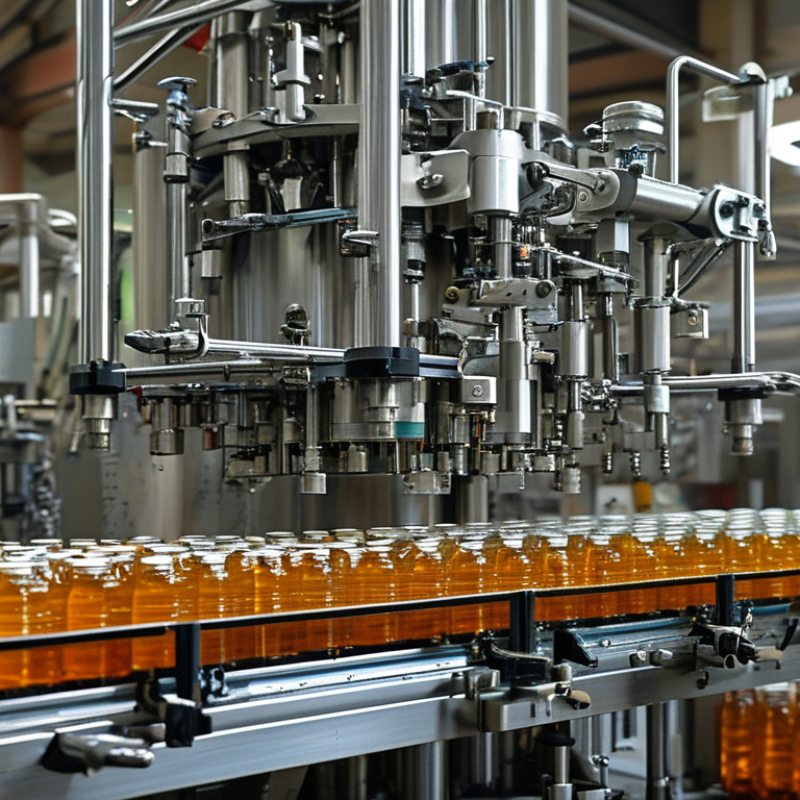
In modern manufacturing, efficiency is key. A filling packaging machine can streamline processes and improve productivity. These machines handle a variety of liquids and solids, catering to diverse industries. Their speed ensures that products are filled and packed rapidly. This reduction in time translates to higher output, which can be critical in meeting market demands.
Moreover, accuracy is a significant advantage. Filling machines minimize human error, ensuring consistent product volume. This precision helps maintain quality and enhances customer satisfaction. Businesses can reduce waste by avoiding overfilling, which also contributes to cost savings. On the surface, it seems straightforward: more accuracy leads to fewer losses. However, achieving this requires proper machine calibration and regular maintenance.
Investing in automated filling technology also allows for scalability. As businesses grow, these machines can adapt to increased production needs. This transition is not always seamless. Companies may face challenges in training staff or integrating the new machines. Despite potential hurdles, leveraging advanced packaging solutions often leads to long-term benefits. In the evolving landscape of manufacturing, efficiency, accuracy, and adaptability are invaluable.
Types of Filling Packaging Machines and Their Applications
Filling packaging machines come in various types, each tailored to specific applications. Liquid filling machines are essential for industries like beverages and cosmetics. They can handle varying viscosity levels and fill containers with precision. For example, a liquid filler can manage everything from thick sauces to thin oils. This versatility ensures products maintain their quality and integrity during packaging.
On the other hand, dry filling machines are crucial for packaging solid products like powders and granules. These machines often employ auger fillers or scoop fillers, allowing for accurate measurements. However, some operators may face challenges with fine powders that compact during the filling process. Ongoing adjustments and learning are sometimes needed to achieve optimal performance.
Another common type is semi-automatic filling machines. They strike a balance between efficiency and cost. These machines can reduce labor costs while maintaining production speed. Although they require manual intervention, they can still produce satisfactory results if properly monitored. In industries where quality control is paramount, having the right filling machine is essential for ensuring consistent product delivery.
Cost Efficiency: How Filling Machines Save Money for Businesses
Filling machines are becoming essential for many businesses. These machines help streamline operations and reduce costs significantly. When businesses choose to invest in filling machines, they often see a rapid return on investment. By automating the filling process, companies can cut labor costs and minimize waste.
Cost efficiency is an important factor. Filling machines can reduce the amount of product spilled during the filling process. This reduction in waste leads to savings in materials and increases overall profit margins. Additionally, filling machines work faster than manual labor. This faster filling can lead to higher productivity levels and enhanced output.
However, it's worth noting that purchasing a filling machine also involves upfront costs. Businesses must consider maintenance and potential downtime. It's crucial to assess if the volume of production justifies the investment. While many companies see benefits, not every business may require this level of automation. Evaluating specific needs can help make the right choice.
Improving Product Consistency and Quality with Filling Machines
Filling machines significantly enhance product consistency and quality in various industries. By automating the filling process, these machines ensure that each package receives the same amount of product. This uniformity can drastically reduce the chances of product waste, creating a more efficient operation.
It's essential to choose the right filling machine for your specific needs. Different products require different types of machinery. For instance, liquids and powders have distinct filling criteria. Conduct thorough research to assess which machine suits your product type.
Monitoring the machine’s performance is crucial too. Regular checks can help identify issues before they escalate. This practice not only maintains quality but also prevents costly downtime. Investing in staff training is equally important. Your team should understand how to operate the equipment effectively and troubleshoot minor problems. Balancing technology with human oversight can lead to impressive product outcomes.
Factors to Consider When Choosing a Filling Packaging Machine for Your Needs
When selecting a filling packaging machine, several factors come into play. The type of product is crucial. Liquids, powders, and granulates each require specific machinery. For instance, a liquid product needs a machine designed with precision to avoid spills. A powder, however, demands a different approach to avoid clumping. Understanding these requirements is essential for efficiency and product quality.
Speed and production capacity also matter. A busy operation may need a high-speed machine that can handle large volumes quickly. However, investing in speed without considering capacity could lead to frequent breakdowns. Maintenance and durability are often overlooked yet significant. A robust machine can save money and time in the long run. Look for machines with good reviews in these areas.
Cost is another critical factor. Finding a balance between quality and price is vital. Cheaper options may compromise durability and performance. However, a higher price tag does not always mean better quality. Researching specifications and reading user experiences can provide insights. It is important to reflect on these details before making a final decision.
Why Choose a Filling Packaging Machine for Your Business? - Factors to Consider When Choosing a Filling Packaging Machine for Your Needs
| Feature | Description | Importance |
| Filling Speed | The rate at which the machine can fill containers. | High speed is crucial for meeting production demands. |
| Container Compatibility | The types of containers (bottles, pouches, etc.) the machine can handle. | Versatility in handling different container types enhances operational flexibility. |
| Accuracy | How precise the machine is in filling the correct amount. | Critical for compliance with regulations and customer satisfaction. |
| Ease of Cleaning | How easy it is to clean the machine between batch changes. | Important for hygiene and avoiding cross-contamination. |
| Automation Level | The extent to which the machine can operate without manual intervention. | Higher automation can reduce labor costs and improve efficiency. |
| Cost | The overall investment required for the machine. | Budget considerations are vital for ROI analysis. |