How to Choose the Right FRP Pipe Machine for Your Needs?
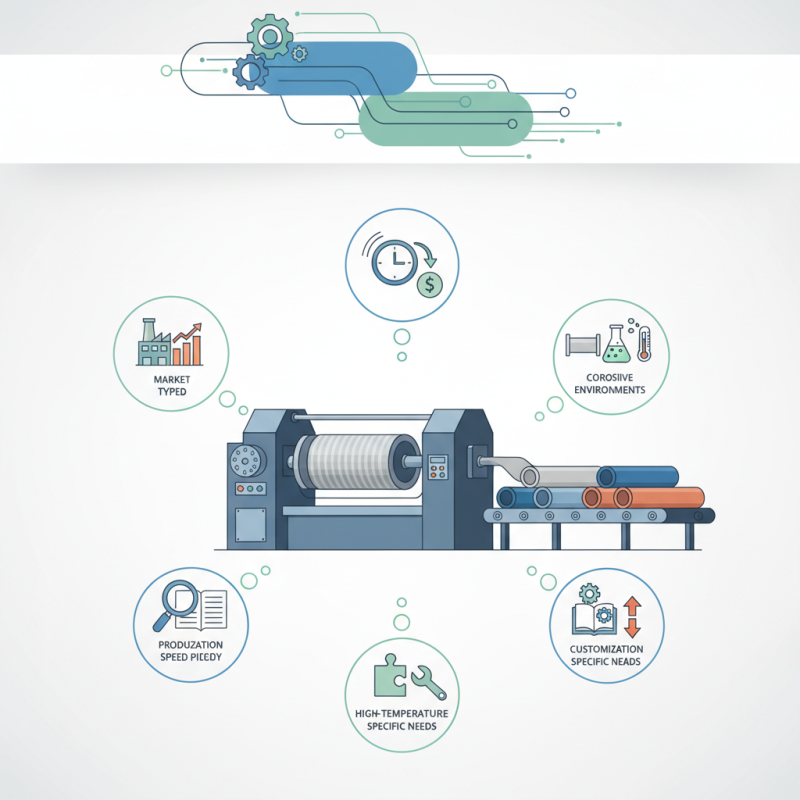
Choosing the right frp pipe machine is crucial for efficiency and long-term success in the industry. The global market for FRP pipes is expected to reach $10.6 billion by 2026, highlighting the growing demand. When investing in an FRP pipe machine, understanding your specific needs is vital. Industry expert Dr. John Stevens states, "Selecting the right machinery can significantly impact both production speed and cost efficiency."
Consider factors like machine capacity, material types, and the intended application of the pipes. Customization could be key, as not all machines cater to every unique requirement. For instance, some machines are ideal for high-temperature applications, while others excel in corrosive environments. Proper research is essential to avoid suboptimal purchases. The wrong choice can lead to production delays and increased operational costs. Reflecting on these aspects can help steer you toward a more informed decision.
Understanding FRP Pipes and Their Applications
FRP pipes, or fiberglass reinforced plastic pipes, have become increasingly popular due to their unique properties. These pipes are lightweight, corrosion-resistant, and have a long service life. According to a report by Grand View Research, the global FRP pipe market was valued at approximately $1.68 billion in 2022 and is expected to grow significantly. This growth is driven by the rising demand in various applications, such as water treatment, sewage, and chemical processing.
In water management, FRP pipes are notable for their durability. They withstand extreme conditions, including high pressure and temperature. For instance, in wastewater treatment facilities, these pipes can reduce maintenance costs by 30% compared to traditional materials like metal. However, the choice of the right frp pipe machine is critical to achieving these advantages. An inadequate machine may lead to poor quality pipes, impacting performance and lifespan.
Moreover, while FRP pipes are eco-friendly and non-toxic, the production process can be complex. Many companies struggle with waste management and recycling of leftover materials. Finding a solution for this is crucial. The industry must balance efficiency with sustainability. As demand increases, investing in the right equipment to manufacture quality FRP pipes can enhance their market presence significantly.
How to Choose the Right FRP Pipe Machine for Your Needs?
| Application | Pipe Diameter (in mm) | Operating Pressure (bar) | Material Type | Production Speed (m/hr) | Machine Type |
| Water Supply | 50 | 10 | Polyester | 20 | Continuous |
| Chemical Transport | 75 | 12 | Vinyl Ester | 15 | Batch |
| Oil and Gas | 100 | 15 | Phenolic | 10 | Custom |
| Wastewater Management | 150 | 8 | Epoxy | 12 | Extrusion |
| Telecommunication | 25 | 5 | Composite | 30 | Hybrid |
Key Factors to Consider When Choosing an FRP Pipe Machine
Choosing the right FRP pipe machine involves several key factors. First, consider production capacity. Analyze your workload and future needs. A machine that meets current demands may soon fall short. It’s critical to strike a balance between capacity and efficiency.
Next, evaluate the machine’s versatility. Some machines handle various pipe sizes and materials, which can save you from investing in multiple units. Check if the machine supports different pipe diameters and thicknesses. This flexibility allows for more diverse projects.
Additionally, assess the ease of operation. A user-friendly interface can significantly reduce training time. Complicated systems may lead to errors. Yet, simple does not always mean durable. A machine that breaks down often will cost more in repairs. Reflect on the long-term reliability and service support needed for the equipment.
Key Factors to Consider When Choosing an FRP Pipe Machine
Different Types of FRP Pipe Machines and Their Features
When selecting an FRP (Fiber Reinforced Plastic) pipe machine, understanding the different types available is crucial. There are several common types, each with unique features and purposes. Continuous winding machines are popular for large-scale production. They offer high efficiency and uniformity in pipe thickness. Reports indicate that these machines could achieve production speeds of up to 100 meters per minute, making them a go-to choice for many manufacturers.
Another type is the filament winding machine. This machine specializes in creating complex shapes, often used in the aerospace and automotive sectors. They allow for detailed design and can produce pipes that withstand high pressure. Yet, they require skilled operators, which can be a challenge. Data shows that companies using advanced filament winding techniques increased their production capabilities by over 30% in the past year.
Lastly, there are centrifugal casting machines. They are designed for producing pipe diameters of varying sizes. However, these machines may have limitations in producing thicker walls. Some manufacturers find that creating a consistent wall thickness can be difficult. This reflects a need for continuous evaluation in production processes to enhance quality. Evaluating these options carefully will help align the machine's capabilities with specific production needs.
Cost Analysis: Budgeting for Your FRP Pipe Machine Investment
When budgeting for an FRP pipe machine, costs can vary significantly. A quality machine can range from $40,000 to over $200,000, depending on features and capabilities. According to industry reports, the initial investment must be weighed against long-term savings. For instance, FRP pipes offer durability and corrosion resistance, leading to reduced maintenance costs over time.
Tips: Determine your production volume. Higher output machines might justify a larger upfront investment. Calculate potential savings on repairs. These factors can help refine your budget.
It's essential to include additional costs such as installation and training. Often overlooked, these expenses can add 10-20% to your initial cost. Many operators find that underestimating training leads to inefficiencies later. Organizations report that investing adequately in training can boost productivity by 25%.
Tips: Research financing options. Leasing might be a viable alternative. Always compare the total cost of ownership when evaluating your choices. Save money by seeking cost-effective procurement options.
Maintenance and Support: Ensuring Longevity of Your FRP Pipe Machine
Maintaining your FRP pipe machine is crucial for its longevity. Regular maintenance can prevent costly breakdowns. Keeping your machine clean is a simple yet effective practice. Dust and debris can lead to wear and tear, so schedule frequent cleanings.
Tips: Check the machine's bolts and connections often. Tightening loose parts can prevent bigger issues later. Always refer to the manual for guidance on maintenance schedules.
Another key aspect is timely support. When issues arise, quick access to technical support is essential. Ensure that you have a reliable contact for troubleshooting. Not every problem can be solved alone. Don't hesitate to seek help when facing machinery challenges.
Tips: Keep a log of any problems encountered. This documentation can aid in resolving similar issues in the future. Additionally, consider training staff on basic maintenance practices to ensure they are prepared.