How to Choose the Right Cargo Lift for Your Business Needs?
Choosing the right Cargo Lift for business needs can be complex. Industry reports indicate that effective material handling can improve operational efficiency by up to 25%. This statistic emphasizes the importance of selecting the right equipment. According to John Smith, a Cargo Lift specialist, “The right lift can significantly enhance your productivity and safety." His insight reflects the critical role of Cargo Lifts in various industries.
The options available in the market are diverse. Factors such as load capacity, height, and design need consideration. Many businesses overlook these attributes, leading to poor lift selection. An incorrect choice may result in costly downtime or safety hazards. Businesses should evaluate their specific needs carefully. Relying solely on general specifications may not suffice.
Understanding the distinct features of each Cargo Lift type is essential. A well-chosen lift not only meets immediate needs but also accommodates future growth. The wrong decision can burden operations and increase costs. It’s a challenge many face, yet careful analysis and expert advice can illuminate the path to the best choice.
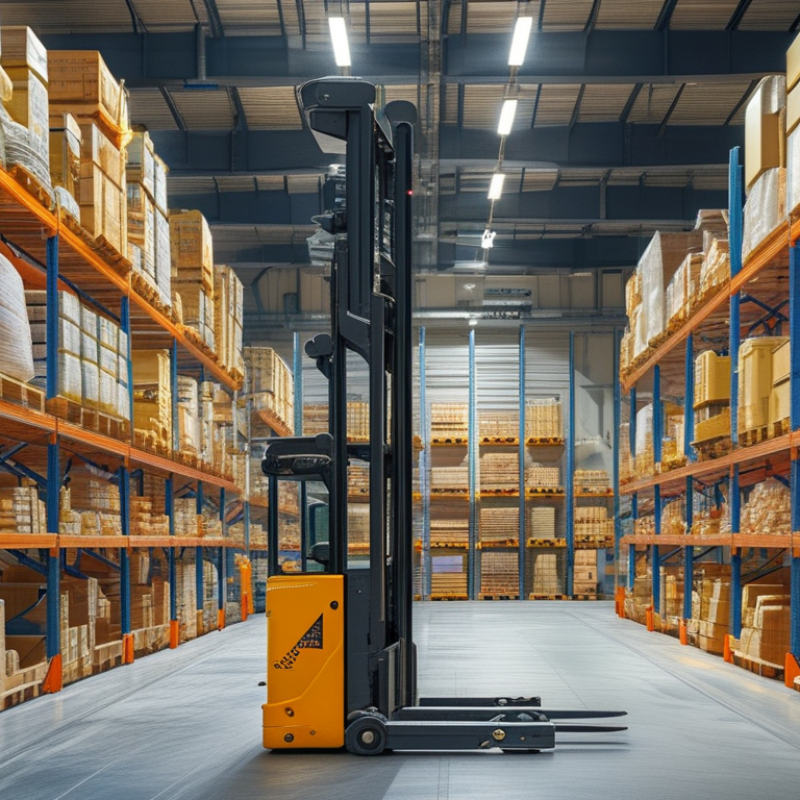
Understanding the Different Types of Cargo Lifts Available
When selecting a cargo lift, it is crucial to understand the different types available. Each type serves specific needs. For example, hydraulic lifts are popular due to their smooth operation and strength. They are ideal for transporting heavy loads between floors. A well-known application is in warehouses where heavy pallets are moved regularly.
Another option is the traction lift. These use cables and pulleys to move cargo. They are efficient for mid to high-rise applications. Many businesses appreciate their speed and reliability, especially in busy environments. However, traction lifts require more space for installation.
Scissor lifts offer a compact solution for smaller areas. They excel at providing vertical access. Many industries, like retail or construction, find them useful. However, scissor lifts may not have the same weight capacity as hydraulic options. Each type has its pros and cons. Evaluating your space, load types, and frequency of use can be challenging but important for making the right decision.
How to Choose the Right Cargo Lift for Your Business Needs?
| Cargo Lift Type | Load Capacity (lbs) | Platform Size (ft) | Power Source | Ideal Use Cases |
| Hydraulic Cargo Lift | 2,000 | 6 x 4 | Electric | Warehouses, Retail |
| Scissor Lift | 1,500 | 6 x 3 | Battery | Construction, Maintenance |
| Freight Elevator | 5,000 | 8 x 6 | Electric | Large Facilities, Factories |
| Vertical Reciprocating Conveyor | 3,000 | 4 x 4 | Hydraulic | Distribution Centers, Storage |
| Incline Lift | 1,000 | 5 x 3 | Electric | Retail, Small Businesses |
Assessing Your Business's Specific Lifting Requirements
Choosing the right cargo lift requires careful consideration of your business's specific lifting needs. Start by evaluating the size and weight of the loads you typically handle. Are they bulky, awkwardly shaped, or particularly heavy? This will help determine the lift's weight capacity and dimensions. Remember, underestimating can lead to equipment failure or safety hazards.
Consider the frequency of use. Will the lift be in constant operation or only occasionally? Frequent use may require a more robust system designed for high traffic. Also, think about the lift's speed. Faster lifts may increase productivity but can contribute to wear and tear over time.
Think about space constraints as well. Measure your installation area to ensure the lift fits. Can your building support the installation? Reflect on the installation process itself. Some lifts may require extensive modifications. A thorough assessment of your needs helps avoid costly mistakes down the line.
Evaluating Safety Features and Compliance Standards
When evaluating cargo lifts, safety features are paramount. It is crucial to understand various compliance standards applicable in your industry. According to the Occupational Safety and Health Administration (OSHA), equipment must adhere to strict safety guidelines. Non-compliance can result in hefty fines and accidents that harm employees.
Consider the structural integrity of the lift. Look for features like overload protection and emergency brakes, which can prevent mishaps. In 2022, a report from the International Organization for Standardization (ISO) indicated that 35% of workplace accidents were linked to equipment failures. This statistic underlines the importance of not only selecting a lift but ensuring it meets all regulatory standards.
Regular inspections are also essential. They help identify potential issues before they escalate. Companies often overlook maintenance schedules, leading to decreased lift performance or safety hazards. A proactive approach can save costs and protect workers. The safety of your staff depends on the choices you make today. Thus, carefully reviewing the compliance and safety features of cargo lifts is not just a recommendation; it's a necessity.
Calculating Space and Load Capacity for Optimal Usage
Choosing the right cargo lift for your operations is crucial. The first step is calculating your space and load capacity. Industry reports indicate that improper load calculations can lead to 20% more operational costs. Understanding your facility's layout and lift dimensions is essential. Measure the height, width, and depth of your cargo areas to ensure the lift fits.
Load capacity also requires careful consideration. For instance, lifts can support load capacities that range from 2,000 to 10,000 pounds. Ensure your maximum load does not exceed this limit. Overloading can damage the lift or compromise safety. Data from logistics studies show that 30% of businesses face injuries related to improper load handling.
It’s not just technical specifications. Knowing the types of goods transported influences lift choice. Bulk items may need wider lifts, whereas smaller, heavier items require more lifting power. Regular assessments of your loading needs can help refine your choice. Sometimes, lifts that seem suitable on paper may not cater to all operational scenarios. These factors should guide your decision-making process.
Considering Budget Constraints and Long-term Investment Benefits
When choosing a cargo lift, budget constraints often emerge as a critical factor. It's essential to analyze the upfront costs versus potential long-term benefits. A cheaper lift might save money initially, but maintenance costs and operational efficiency can add up over time. Consider the specific needs of your business. Will the lift see heavy daily use? If so, investing in a more robust model could pay off in the long run.
Reflecting on the balance between immediate expenses and future gains is crucial. A lift that meets safety standards and has a good track record might be pricier upfront. However, its reliability can prevent costly downtime. Seek expert advice to evaluate the long-term investment benefits. Look at warranty offerings and service options. Ask about the lift's lifespan and performance under stress. These details matter in your decision-making process.
Taking a step back is valuable. It's easy to get swayed by flashy features or brand reputation. Focus instead on the actual needs of your operations. Will the lift support growth? How often will it need repairs? A thoughtful approach will lead to a choice that aligns with budget and future aspirations. Prioritize safety and efficiency over initial cost, as this can foster lasting success for your business.