How to Choose the Best Agricultural Drones for Your Farm?
Agricultural Drones have transformed modern farming practices, offering precision and efficiency. According to a report by MarketsandMarkets, the agricultural drone market is expected to reach USD 5.9 billion by 2026. This rapid growth indicates a strong demand for these innovative tools in agriculture. Farmers are increasingly adopting drones to monitor crops, optimize resources, and improve yields.
The effectiveness of agricultural drones lies in their ability to collect real-time data. This data helps in making informed decisions about crop health, irrigation needs, and pest management. However, choosing the right drone is crucial. Each farm has unique requirements, and a one-size-fits-all approach may not yield the best results. Key factors include payload capacity, flight time, and software capabilities.
Despite the advantages, there are challenges. Some farmers may struggle with the initial investment or the learning curve associated with drone technology. It's essential to weigh these factors against the benefits. As agriculture continues to evolve, understanding how to choose the best agricultural drones becomes vital for maximizing efficiency and productivity.
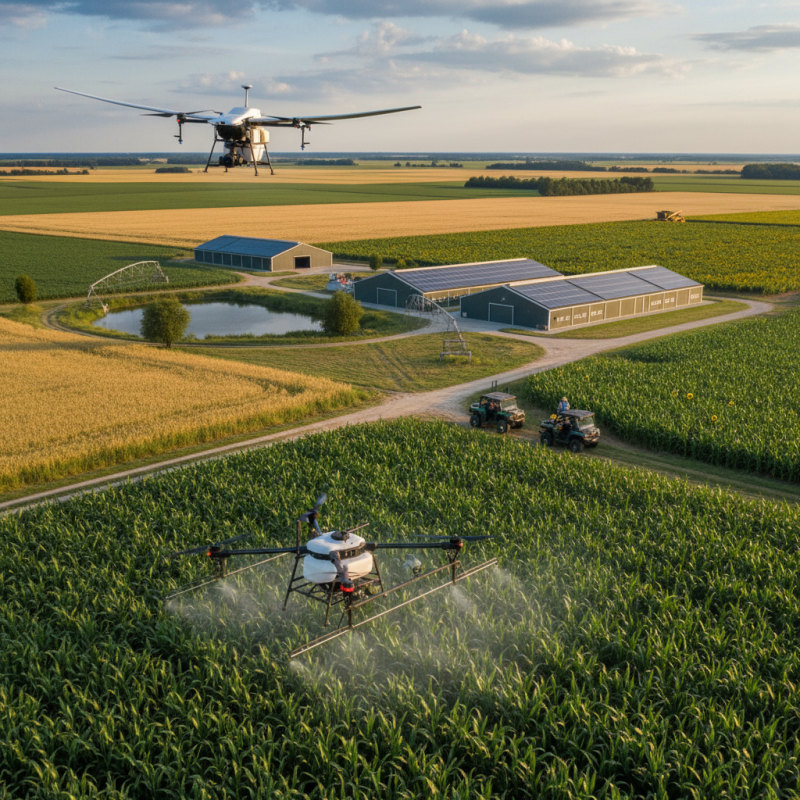
Understanding the Role of Drones in Modern Agriculture
Drones are transforming modern agriculture, offering new solutions for farmers. According to a report by Fortune Business Insights, the global agricultural drone market is projected to reach $5.5 billion by 2026. This growth reflects a significant shift in how farms operate, with technology paving the way for efficiency and precision.
Farmers use drones for various tasks, including crop monitoring, soil analysis, and irrigation management. These devices provide real-time data, enabling farmers to make informed decisions. For instance, research from the American Society of Agronomy indicates that drone technology can improve crop yields by up to 15%. However, not all farmers can access this technology. High costs and the need for training can be barriers.
The implementation of drones is not without challenges. Issues such as data management and integration with existing systems can complicate their use. Some farmers may struggle to interpret the data collected effectively. This emphasizes the need for continuous education and support within the industry. Understanding both the benefits and limitations of drone technology is essential for maximizing their potential in agriculture.
Key Features to Consider When Selecting Agricultural Drones
When selecting agricultural drones, several key features should guide your decision. Flight time is crucial, with a typical drone offering 20 to 40 minutes per charge. Longer flight durations allow for larger areas to be surveyed and reduce the downtime between flights.
Payload capacity is another vital aspect. Drones with higher payloads can carry advanced sensors or cameras. According to a recent report by MarketsandMarkets, the agricultural drone market is expected to grow at a CAGR of 30% from 2022 to 2027. This highlights the increasing reliance on advanced technology in farming.
Tips: Check drone compatibility with your existing equipment. Ensure it can integrate seamlessly with your farm management software. You might find some models difficult to operate. Ease of use should not be overlooked when making your choice. Also, consider the drone's durability. A robust design can withstand harsh weather conditions, ensuring longevity.
Camera quality matters too. High-resolution cameras provide better imaging for crop monitoring. Studies reveal that detailed images can improve decision-making on crop health. However, keep in mind that better technology often comes with a steeper learning curve. Familiarizing yourself with it is essential for achieving optimal results.
As you weigh your options, reflect on your farm's specific needs and challenges. What works for one farm may not suit another. It’s essential to assess your unique context thoroughly before making a purchase.
Comparing Different Types of Agricultural Drones Available
When selecting agricultural drones, understanding their various types is crucial. Drones come in several categories, including fixed-wing, multi-rotor, and hybrid models. Fixed-wing drones cover large areas efficiently but require more space for takeoff and landing. Multi-rotor drones are versatile and easy to maneuver, making them great for smaller farms. Hybrid drones combine the strengths of both, offering longer flight times and stability.
Choosing the right drone depends on your specific needs. If your farm is extensive, consider the fixed-wing option. For precise field surveys or crop monitoring, multi-rotor drones work well. Think about payload capacity and battery life as these features affect usability. High-quality imaging sensors are also important for effective data collection. Remember, the technology is constantly evolving, so staying informed is vital.
Tips: Test different models if possible. Evaluate them based on your operational needs. Compare customer reviews and expert analyses for real-world insights. Don’t rush into a purchase. Reflect on how these drones can enhance your farming practices.
Comparison of Different Types of Agricultural Drones for Farming
Assessing the Cost-Effectiveness of Agricultural Drones for Your Farm
When assessing the cost-effectiveness of agricultural drones, consider the specific needs of your farm. Drones can provide valuable data on crop health, soil condition, and irrigation efficiency. However, the initial investment can be significant. You need to evaluate whether the benefits outweigh the costs over time.
Tips: Start by calculating the potential savings. Look at how drones can reduce labor costs and improve yield. Can you gather data more efficiently? How much time will you save? This analysis can guide your decision.
Also, consider maintenance costs. Drones may require regular upkeep and software updates. Are you prepared for those ongoing expenses? Reflecting on these points can help you make an informed choice.
Lastly, think about the learning curve. Implementing drone technology may require training. Are your team members ready to adapt? This aspect can impact initial costs and effectiveness. Balancing these factors is crucial for determining if drones will enhance your farming operation.
Navigating Regulations and Safety Concerns for Agricultural Drone Use
When considering the use of drones in agriculture, understanding regulations is crucial. Different regions have specific laws governing drone operations. These regulations often focus on the safety of airspace and privacy concerns. Knowing the local laws helps prevent costly fines and ensures safe operations. Each drone operator must register their drone with the relevant authorities. This step often includes obtaining a license for commercial operations.
Safety is another critical aspect. Drones may collide with birds or other objects. This potential hazard makes it essential to conduct regular maintenance checks. Familiarizing yourself with proper flight techniques also mitigates risks. Operators should always keep their drones within sight and avoid flying near crowded areas. Ensuring that your drone is equipped with safety features can prevent accidents.
Some farmers might feel overwhelmed by these requirements. It can seem like a lot to navigate. However, this preparation allows for a more efficient use of drone technology. Engaging with local agricultural communities can provide insights into best practices. Many farmers share their experiences and lessons learned, which can guide new operators.
How to Choose the Best Agricultural Drones for Your Farm? - Navigating Regulations and Safety Concerns for Agricultural Drone Use
| Drone Model | Flight Time (mins) | Max Payload (kg) | Camera Resolution (MP) | Price (USD) |
| Agricultural Drone A | 30 | 5 | 20 | 2,500 |
| Agricultural Drone B | 25 | 8 | 12 | 3,000 |
| Agricultural Drone C | 40 | 10 | 24 | 5,000 |
| Agricultural Drone D | 35 | 7 | 16 | 4,200 |