How to Choose the Best Automation Machine for Your Business?
In today's fast-paced business environment, selecting the right automation machine can be daunting. Industry expert Dr. Alex Carter emphasizes, "The right machines can transform productivity." Companies must assess their unique needs carefully before diving into automation solutions.
Considerations may include the type of products, production volume, and budget. It is crucial to not only evaluate the machine's features but also its long-term reliability. Many businesses rush into automation without comprehensive research. This can lead to costly mistakes. Seeking advice from experienced professionals is essential.
Failing to align the right automation machine with specific operational goals often results in inefficiencies. Customization is key; a one-size-fits-all solution rarely works. By cautiously reviewing options and seeking expert insights, businesses can make informed choices that enhance performance and drive growth.
Understanding Your Business Needs for Automation
Understanding your business needs for automation requires a tailored approach.
Begin by identifying key processes that are time-consuming.
According to a report by McKinsey, automating just 30% of tasks in a business can lead to a productivity increase of 20-25%.
Focus on areas where repetitive tasks drain resources.
Automation is not a one-size-fits-all solution.
Consider the specific goals of your business.
Are you looking to reduce costs, improve accuracy, or enhance customer experience?
A Forrester report found that 43% of companies that implemented automation saw significant improvements in service delivery.
Evaluate current workflows and consult team members about pain points.
This insight is essential for choosing the right automation technology.
Sometimes, companies invest heavily in automation without clear objectives.
This can result in wasted resources and unmet expectations.
Reflect on how the chosen solution aligns with your overall business strategy.
A successful automation journey demands continuous assessment and adjustments.
Be prepared to iterate on your processes to achieve sustained success.
Types of Automation Machines and Their Applications
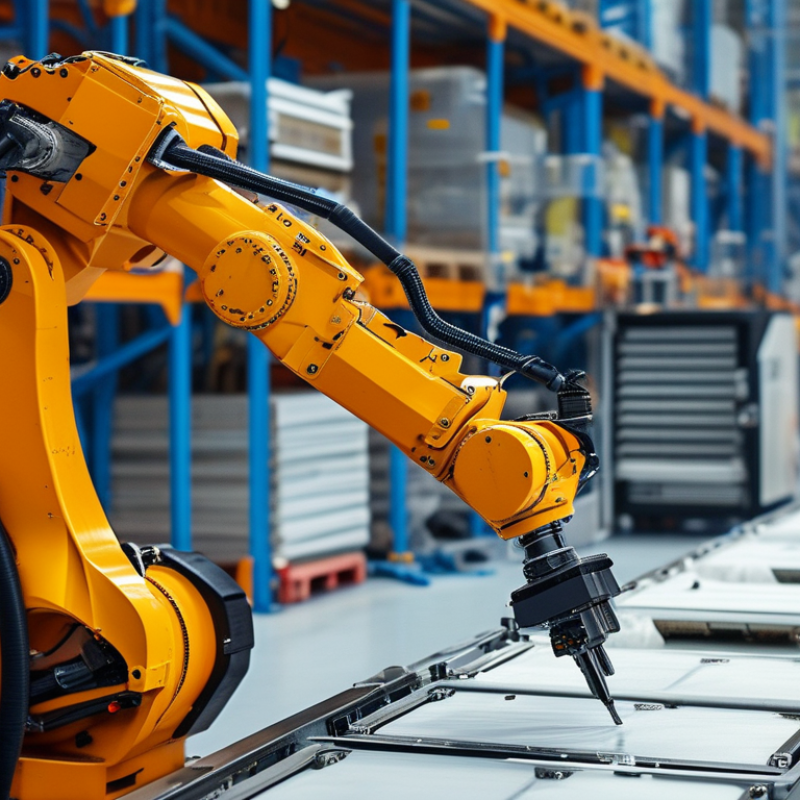
When selecting automation machines, understanding their types and applications is crucial. There are several categories of automation machines, including robotic arms, conveyor systems, and automated guided vehicles (AGVs). Robotic arms excel in tasks like welding and assembly. They provide precision and speed, which are essential in manufacturing processes. Conveyor systems transport materials efficiently across different segments of production. AGVs are beneficial for moving goods within a facility. Each type has its specialty and uses depending on your business needs.
It’s beneficial to analyze your specific operations before choosing an automation machine. For example, if you deal with repetitive tasks, a robotic arm may enhance efficiency. If your process requires material handling, conveyor systems might be more suitable. Assess the flexibility and scaling options of the machines. This is critical as your business grows. Sometimes, the easiest solution is not the best. Resistance to change can hinder progress. Think deeply about the integration of automation into your workflow.
Evaluate the potential return on investment (ROI). Look beyond initial costs. Consider maintenance, training, and downtime too. Sometimes, machines offer advanced features but require extensive training for staff. Be prepared for these challenges. Also, it's worth reflecting on the need for gradual implementation. Start with a pilot project before fully committing to automation. This approach allows for adjustments along the way and minimizes risks associated with large investments.
Evaluating Budget and Cost Efficiency of Automation Solutions
Choosing the right automation machine for your business involves understanding your budget and cost efficiency. It's essential to evaluate upfront costs and long-term savings. Begin by assessing your immediate financial capacity. Can you afford an expensive machine now? Or do you need to consider a more affordable option? A cheaper solution may save you money today, but could lead to higher maintenance costs later.
Look into the operational costs and potential productivity increases. How much will the automation save you in labor costs? Determine the return on investment (ROI) for each option. This evaluation can help prioritize purchases. Compare different machines based on efficiency. Some may lower energy costs significantly, while others may require costly upgrades.
Consider hidden costs as well. Installation, training, and maintenance can add to your budget. Reflect on the longevity of the machines. A low-price model could lead to more frequent replacements. Balance your immediate needs with future sustainability. Regularly revisiting your automation options can guide better investment decisions over time.
Cost Efficiency of Automation Solutions
Key Features to Look for in Automation Machines
When selecting an automation machine, specific features can significantly impact your business’s efficiency and cost-effectiveness. One critical aspect is adaptability. A machine that can easily integrate with existing systems offers flexibility. According to a report by MarketsandMarkets, companies implementing adaptable automation saw a 25% reduction in operational costs. This showcases the tangible benefits of choosing machines that can evolve with your needs.
Another essential feature is user-friendliness. A machine with an intuitive interface requires less training, allowing your team to ramp up productivity quickly. A study from Cognizant found that companies prioritizing ease of use improved productivity by nearly 30%. Additionally, pay attention to support and maintenance. Reliable after-sales service means fewer disruptions. Some businesses overlook this and struggle with downtime.
Lastly, consider scalability. As your business grows, the machine should accommodate increased volume. A lack of scalability can hinder growth. Engaging with industry experts is vital to ensure the chosen automation solution remains relevant. Failure to do so could lead to costly errors. Always evaluate real-world experiences and reports before making a commitment; continual improvement is essential in automation.
Assessing Vendor Reputation and Support Services
When selecting an automation machine for your business, vendor reputation can make a significant difference. Researching vendors helps you gauge their trustworthiness and experience in the industry. Look for online reviews and testimonials from other businesses. Their experiences can provide insights into the vendor’s reliability and the machines' performance. It’s important to evaluate long-term relationships vendors maintain with existing customers.
Support services are another critical factor. An effective vendor should offer robust support options. Consider if they provide training, troubleshooting, and maintenance services. Quick response times to inquiries can indicate a vendor's commitment to customer satisfaction. A good vendor will have multiple channels for support, such as phone, email, or live chat. Engaging with them before the purchase can reveal how attentive they might be post-sale.
While focusing on vendor reputation, keep in mind the importance of direct communication. Sometimes, vendors may present themselves well, but issues can arise later. Make sure to ask questions and gauge their willingness to address your concerns. A vendor's transparency about machine specifications and potential limitations can help you avoid future pitfalls.
How to Choose the Best Automation Machine for Your Business?
| Vendor |
Reputation Score (Out of 10) |
Support Availability |
Customer Feedback Rating (Out of 5) |
Training Provided |
| Vendor A |
9 |
24/7 |
4.8 |
Yes |
| Vendor B |
7 |
Business Hours |
4.5 |
No |
| Vendor C |
8 |
Weekdays Only |
4.2 |
Yes |
| Vendor D |
6 |
Limited Support |
3.8 |
No |