How to Choose the Best Automotive Stamping Die for Your Needs?
Choosing the right Automotive Stamping Die is critical for any manufacturing project. The die influences the quality and precision of the final product. An improper choice can lead to costly errors and increased production time. It's essential to understand your specific needs before making a decision.
When selecting an automotive stamping die, consider the material and thickness of the parts you will produce. Each die serves different purposes. Some are better for high-volume production, while others suit custom jobs. Checking the manufacturer’s reputation can make a significant difference. Look for testimonials and case studies that highlight their expertise.
Reflecting on past experiences can provide valuable insights. Perhaps you chose a die without sufficient research and faced challenges. This time, make a more informed choice. Pay attention to the details. Your investment in the right Automotive Stamping Die will pay off in the long run with enhanced efficiency and product quality.
Understanding the Basics of Automotive Stamping Dies
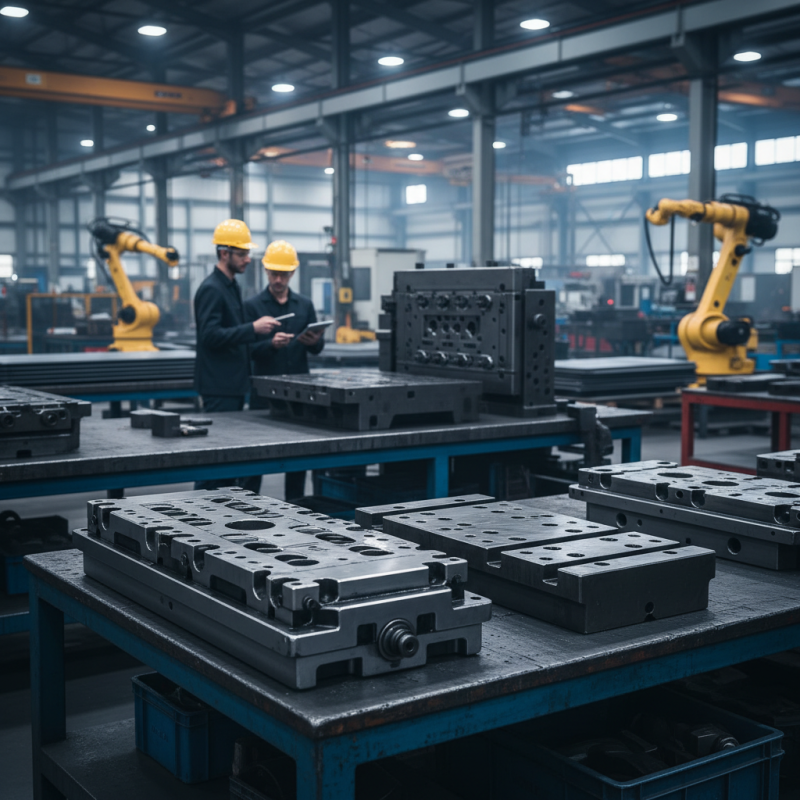
Automotive stamping dies play a crucial role in manufacturing various vehicle components. Understanding their basics can significantly influence your selection process. Stamping dies are precision tools that shape and cut materials, primarily metals, into desired forms. According to industry reports, the global automotive stamping market is projected to reach USD 205.87 billion by 2027, highlighting their importance in vehicle production.
Different types of dies exist, such as single-station, progressive, and transfer dies. Each type has advantages based on production volume and part complexity. For example, progressive dies allow for high-volume production with minimal handling. In contrast, single-station dies may offer flexibility for smaller runs. Your specific needs will dictate which design suits your project best.
Tip: Evaluate production requirements early. Consider the complexity of parts and volume you expect. This assessment can help you avoid future issues. Also, remember that not all die manufacturers provide the same level of precision. Research thoroughly to ensure you choose a reliable partner. Take time to assess their track record and client satisfaction to make informed decisions.
Factors to Consider When Selecting a Stamping Die
Choosing the right automotive stamping die can be challenging. One crucial factor to consider is the material used in the die. Different materials, such as steel or aluminum, impact durability and cost. Steel dies are more robust but can be expensive. On the other hand, aluminum dies may save money but might wear out faster. Evaluating your production volume can influence this choice.
Another vital aspect to factor in is the complexity of the part you want to produce. If the design is intricate, you may need a more advanced die. This may increase setup time and costs. Additionally, understanding the tolerances required is key. Tight tolerances demand precise tooling. This can lead to increased lead times and higher expenses.
It’s also important to reflect on your production methods. Different stamping techniques like progressive or transfer stamping offer unique benefits. Choosing the right method can improve efficiency but may also require investment in new machinery. Balancing your operational capabilities with your project demands will lead to better outcomes. Evaluating these factors carefully will help align your project needs with the right stamping die choice.
Types of Automotive Stamping Dies and Their Applications
When selecting an automotive stamping die, understanding the various types is crucial. There are primarily three categories: progressive, transfer, and compound dies. Progressive dies handle multiple operations in one stroke, making them suitable for high-volume production. According to a report by MarketsandMarkets, the automotive die market is projected to reach $24 billion by 2025, highlighting the demand for efficient manufacturing methods.
Transfer dies and compound dies serve different functions. Transfer dies move the material from station to station, allowing for more complex shapes. These are often used for parts like exhaust systems and wishbones. Conversely, compound dies perform multiple operations in a single press. They are commonly utilized for simpler shapes but can be limited in complexity. Properly choosing the type of die could significantly impact production efficiency and cost-effectiveness.
Despite these advantages, factors like material selection and die life can create challenges. Materials must withstand high pressure and wear, which can lead to frequent replacements. Reports suggest that up to 30% of die maintenance costs originate from material-related issues. Assessing the right die for specific applications requires careful consideration, balancing cost, output quality, and longevity. Addressing these intricacies can enhance production outcomes but often requires ongoing refinement.
How to Choose the Best Automotive Stamping Die for Your Needs? - Types of Automotive Stamping Dies and Their Applications
| Die Type | Material Used | Application | Benefits | Considerations |
| Progressive Die | High Carbon Steel | Complex Parts with Multiple Stages | High Efficiency and Automation | Higher Initial Cost |
| Single Stage Die | Aluminum Alloy | Simple Shapes and Components | Lower Initial Cost | Lower Production Speed |
| Transfer Die | Tool Steel | Larger Components or Assemblies | Better Control Over Part Quality | Complex Setup Required |
| Blanking Die | Stainless Steel | Cutting Flat Parts | Cost-Effective for High Volumes | Limited to Flat Parts |
| Forming Die | High-Strength Steel | Creating Complex Shapes | Versatile in Design | Can Require More Maintenance |
Evaluating Material Options for Stamping Dies
Choosing the right material for automotive stamping dies is crucial. The material not only affects the die's performance but also its durability. According to a report from the International Journal of Advanced Manufacturing Technology, high-speed steel (HSS) is widely used for its toughness and wear resistance. However, HSS can be costlier than other options.
On the other hand, carbide dies offer superior wear resistance and longevity. A study indicates that carbide can last up to five times longer than HSS. But the initial investment is higher. These materials must be weighed against production volume and design complexity.
It's also essential to consider the material's compatibility with the types of automotive parts being produced. Different metals, like aluminum and steel, require specific die features. Ignoring material properties can lead to issues like chipping or deformation. Evaluating these factors early on can prevent costly errors later. Yet, some manufacturers overlook this, leading to inefficiencies. Understanding these details is key to making an informed choice.
Cost Considerations and Budgeting for Custom Dies
When considering the cost of custom automotive stamping dies, the initial investment can be substantial. According to industry reports, tooling costs can range from 20% to 50% of the total production budget. This significant output emphasizes the need for careful financial planning. Companies often overlook the operational costs associated with custom dies. Maintenance, tooling lifespan, and material costs can increase operating expenses if not properly accounted for.
It’s critical to assess your production needs against budget constraints. For instance, a die designed for high-volume production may have a higher upfront cost but lower per-unit costs over time. An average stamp shop may charge between $5,000 and $30,000 for a basic die, while complex dies can exceed $100,000. Such variations demand diligence in gathering quotes and understanding the specific features that justify these costs.
Reflections on past projects reveal that some companies underestimated the costs of revisions. Altering a die design mid-production can inflate expenses by 20%. Investing time in a thorough design process can mitigate costly mistakes. Collaboration with experienced engineers can lead to better alignment between desired specifications and budget realities. Companies must weigh their options wisely to avoid common pitfalls in the die selection process.