2026 How to Choose the Best Hand Retractable Spring Plunger?
Choosing the right Hand Retractable Spring Plunger can significantly impact machinery performance. The global market for these components is projected to grow at a CAGR of 5.6% from 2021 to 2026. This growth reflects their essential role in various applications, from automation to precision equipment. Thus, understanding the options available is critical.
When selecting a Hand Retractable Spring Plunger, consider factors such as material, load capacity, and size. Reports indicate that stainless steel options are gaining popularity due to their durability. However, reliability often hinges on the specific application. Not all plungers suit every task, and using the wrong one can lead to failures.
Investing time in understanding specifications can yield long-term benefits. Reputable sources indicate that malfunctioning plungers account for up to 15% of operational delays. The consequences can be severe, costing both time and money. Hence, careful selection based on credible data is indispensable for any business reliant on these components.
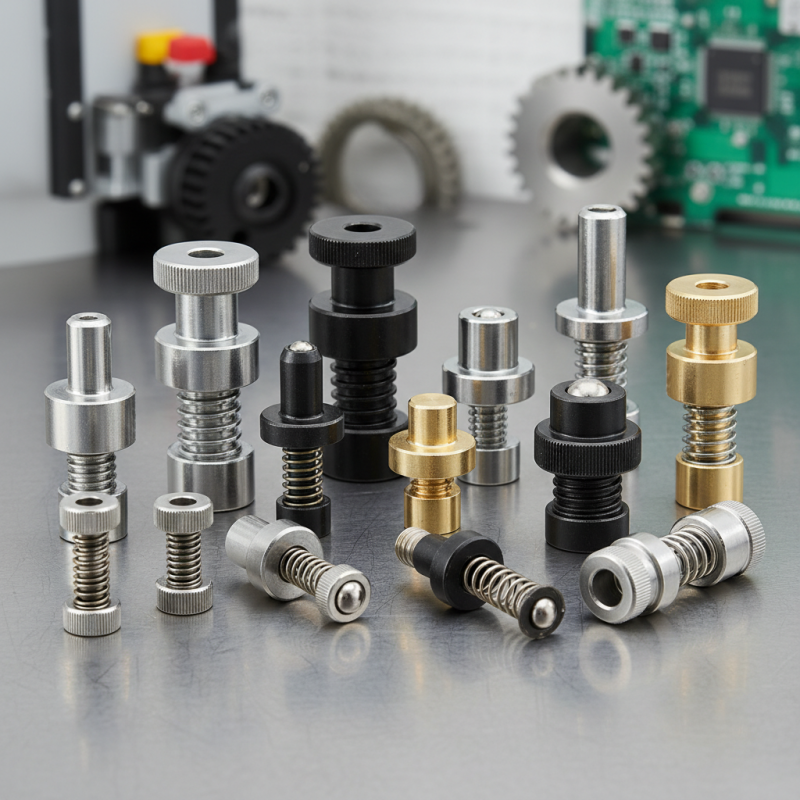
Understanding the Functionality of Hand Retractable Spring Plungers
Hand retractable spring plungers are versatile components found in various mechanical and engineering applications. They provide an easy way to control movement. By using a spring mechanism, they enable precise engagement and disengagement. Their functionality revolves around a plunger that retracts smoothly when needed, allowing for immediate access or adjustment.
Understanding these plungers involves recognizing their design and purpose. They are often used in jigs, fixtures, or as stop mechanisms. The spring tension is crucial. It is essential to select a plunger that matches the required force. Too strong a spring can make it hard to operate. On the other hand, a weak spring might not hold securely.
While these plungers are effective, they can lead to some unexpected issues. Misalignment can occur, causing the plunger to jam. Frequent use can wear down the spring, making replacements necessary. It's important to regularly check the condition of the plunger. This ensures reliable performance. Maintaining plunger systems requires careful attention to detail. Being aware of potential problems can save time and improve efficiency.
Factors to Consider When Selecting Hand Retractable Spring Plungers
When selecting hand retractable spring plungers, several factors deserve careful consideration. The material is crucial. Common options include stainless steel and plastic. Stainless steel is durable and resistant to corrosion. However, it can be heavier and more expensive. Plastic offers a lighter alternative but may not withstand heavy loads.
Next, think about the plunger's dimensions. A well-fitting plunger provides reliable performance. Measure the space where it will be installed. Accuracy in measurement is key. Oversized plungers might not retract properly. A plunger that is too small may not engage effectively.
Another aspect is the spring force. Different applications require varying levels of tension. Too much tension can lead to difficulty in operation. On the other hand, insufficient force may result in a lack of support. Consider the specific needs of your project to ensure that the plunger meets those demands.
Don't overlook the environment where the plunger will be used. Certain conditions may affect its longevity and functionality. Exposure to extreme temperatures or chemicals can weaken materials. Reflect on these factors to make an informed choice.
Material and Durability: Essential Qualities in Spring Plungers
When selecting a hand retractable spring plunger, material and durability are vital. High-quality materials enhance performance and longevity. Common materials include stainless steel, plastic, and aluminum. Stainless steel is known for its corrosion resistance, making it ideal for harsh environments. According to industry reports, over 70% of users prefer stainless steel for its durability and strength.
Durability reflects the lifespan of a spring plunger. A well-constructed plunger can withstand repeated use without failure. Studies have shown that poorly made plungers can fail after just a few cycles, significantly impacting project efficiency. Selecting a product backed by rigorous testing can mitigate these issues.
Tips: Inspect the finish and texture of the plunger. A sleek, smooth surface often indicates superior manufacturing. Ensure a firm grip; this detail can affect usability. Check warranties and manufacturer support. Reliable companies often provide more substantial guarantees, highlighting their confidence in product quality. Planning can avoid long-term setbacks caused by inferior products.
Performance Metrics: Load Capacity and Travel Distance Explained
When selecting hand retractable spring plungers, understanding performance metrics is crucial. Load capacity determines how much weight the plunger can handle safely. This is vital for applications like locking mechanisms, where failure could lead to damage. It's not just about the maximum load. Regular testing is necessary to ensure reliability.
Travel distance is another key factor. It indicates how far the plunger can extend or retract. An insufficient travel distance may limit functionality. It is important to match this distance with the specific application needs. Too short, and you might face issues. Too long, and it could compromise performance.
Choosing the right specifications requires thorough consideration. Mistakes in selection can lead to operational challenges. Users should also review their materials and design requirements. In the end, a balance between load capacity and travel distance ensures effective performance. Always leave room for adjustments and reevaluation, as needs might change over time.
Industry Standards and Certifications for Quality Assurance in Plungers
When selecting a hand retractable spring plunger, it's vital to consider industry standards and certifications. These ensure the quality and reliability of the plunger. For instance, plungers meeting ISO 9001 standards undergo rigorous quality control processes. This certification guarantees consistent performance and durability. According to a recent report by the Manufacturing Industry Association, products with verified certifications have a 25% lower failure rate.
The American National Standards Institute (ANSI) also plays a role in standardizing dimensions and materials for plungers. Compliance with ANSI guidelines helps manufacturers produce components that meet user expectations. Products lacking proper certification may not perform effectively or could fail prematurely, leading to safety hazards.
Tips: Always check for certifications when purchasing. Look for ISO or ANSI markings. Verify with suppliers about their quality assurance processes. Inconsistent product specifications can lead to subpar performance. Remember to assess your application needs carefully before deciding. A well-made plunger can enhance efficiency but a poorly made one may cause unexpected issues.