How to Define a Robot and Understand Its Key Characteristics?
In recent years, the term "robot" has gained prominence, yet defining a robot remains complex. According to the International Federation of Robotics, the global stock of industrial robots reached 3 million units in 2021. These machines are redefining productivity across various sectors. To understand how to define robot, one must consider key characteristics like autonomy, programming, and interaction with the environment.
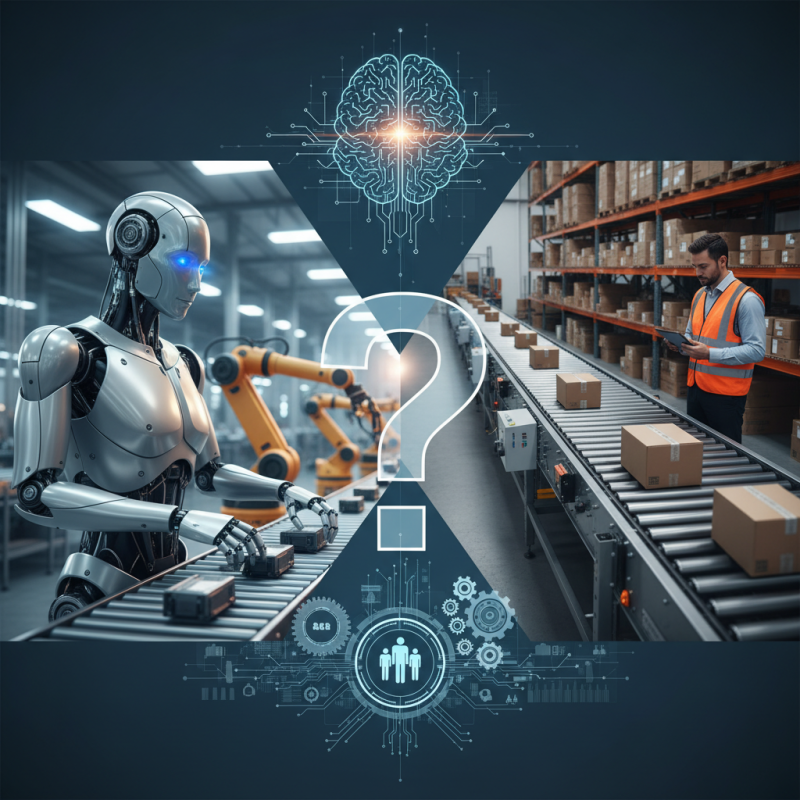
Each robot is unique, serving different functions. Some are fully autonomous, while others require human oversight. Studies show that about 60% of businesses are utilizing some form of robotic automation. However, the line between robots and other automated devices can be blurry. For instance, a simple conveyor belt may not qualify as a robot, yet it plays a vital role in automation.
This complexity invites reflection. As the technology evolves, the definition of a robot may change. Emerging AI capabilities challenge existing frameworks. The need for clarity is urgent, yet elusive. Understanding what defines a robot could reshape industries and societal norms.
Definition of a Robot: Origin and Evolution of the Term
The term "robot" has an intriguing origin. It stems from the Czech word "robota," meaning forced labor. This was popularized in Karel Čapek's 1920 play, "R.U.R." Since then, the concept has evolved dramatically. Robots are now crucial in manufacturing, healthcare, and even homes.
In recent years, the robotics industry has boomed. According to a report by the International Federation of Robotics, the global market for industrial robots alone reached $16.5 billion in 2020. By 2025, it's expected to exceed $28 billion. This rapid growth prompts reflections on how we define robotics. Are we focusing solely on automation?
The definition of a robot varies widely. Some see robots as machines capable of carrying out tasks autonomously. Others argue that true robots possess a level of intelligence and adaptability. Yet, there’s an ongoing debate about the ethical implications of creating machines that can learn and make decisions. Questions arise: Are they tools or partners? As technology advances, our understanding of what constitutes a robot will continue to evolve.
Key Characteristics of Robots: Autonomy, Sensing, and Actuation
Robots have three key characteristics:
autonomy,
sensing, and
actuation.
Autonomy allows robots to operate independently. This means they can make decisions without human intervention.
For instance, an autonomous vacuum cleans rooms based on its programmed routes. However, full independence is still a work in progress.
Sensing is vital for robots to interact with their environment. Sensors help detect obstacles, recognize objects, and respond to changes.
A robot equipped with cameras and LIDAR can map a room accurately. It’s fascinating how these technologies work together.
Still, sometimes sensors fail or provide inaccurate data. This can lead to unexpected behaviors or accidents.
Actuation gives robots the ability to move or perform tasks.
Motors and servos translate digital commands into physical actions. A robotic arm can lift and manipulate items with precision.
Yet, fine-tuning these movements is challenging. There can be a lag or misalignment, leading to errors.
Tips for designing effective robots:
- Start simple.
- Focus on one function before adding more.
- Test frequently to identify issues early.
- Lastly, keep user feedback in mind.
Continuous improvement is crucial for success.
Types of Robots: Industrial, Service, and Humanoid Robots
Robots come in different types, each designed for specific tasks.
Industrial robots are increasingly common in factories. They perform tasks like welding, painting, and assembly.
These machines boost efficiency and precision.
However, they can replace human jobs, raising concerns about workforce displacement.
Service robots serve various functions outside traditional manufacturing.
They can assist with tasks in healthcare, hospitality, or even homes.
For example, a robot could help elderly individuals with daily activities. However, reliance on such technology can lead to a lack of human interaction.
This raises questions about the emotional well-being of users.
Humanoid robots are designed to mimic human behavior. They can talk, walk, and even express emotions. While fascinating, their development poses ethical dilemmas.
For instance, how much should we trust a robot that looks human? Understanding these differences helps us navigate the complex landscape of robotics and its impact on society.
The Role of Artificial Intelligence in Modern Robotics
Artificial intelligence plays a crucial role in modern robotics. It enhances machines with capabilities previously thought impossible. For instance, a report from Markets and Markets predicts that the global AI in robotics market will reach $15.7 billion by 2027. This growth stems from advancing algorithms and improved processing power.
AI enables robots to learn and adapt. With machine learning, they can identify patterns and optimize their tasks. Take autonomous vehicles, for example. Their success relies heavily on AI technologies that process vast amounts of data. Interestingly, the failure rate of these systems still raises concerns. Some experts argue that without robust testing, AI systems can misinterpret human behavior and cause accidents.
Moreover, the integration of AI has its challenges. Many robots still struggle with real-world environments. An MIT study shows that 20% of robotic operations fail due to unforeseen circumstances. This showcases the need for continuous refinement. Companies must innovate while addressing these imperfections for real progress.
How to Define a Robot and Understand Its Key Characteristics? - The Role of Artificial Intelligence in Modern Robotics
| Characteristic |
Description |
Example |
| Autonomy |
Capability to operate independently without human intervention. |
Autonomous drones |
| Sensing |
Ability to perceive surrounding environments using sensors. |
LIDAR sensors in self-driving cars |
| Actuation |
Mechanisms by which robots execute physical actions. |
Robotic arms used in manufacturing |
| Artificial Intelligence |
Incorporation of AI algorithms for decision-making and learning. |
AI in robotic assistants |
| Interaction |
Ability to communicate and collaborate effectively with humans. |
Social robots designed for companionship |
Ethical Considerations in Robot Development and Deployment
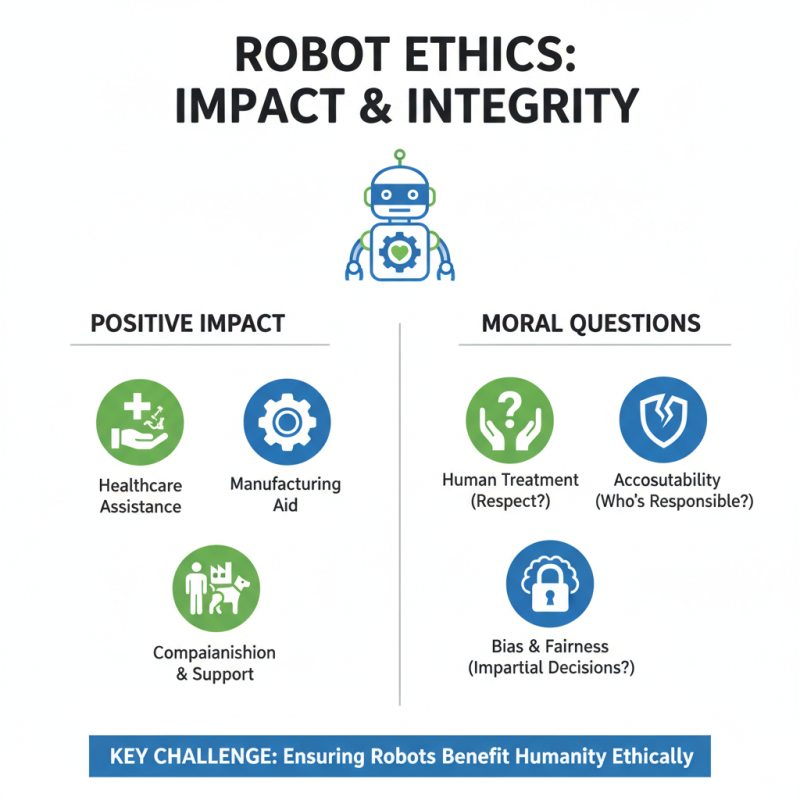
When developing robots, ethical considerations are paramount. These machines can significantly impact human life, both positively and negatively. Robots can help with tasks like healthcare, manufacturing, and even companionship. Yet, their presence raises moral questions. For example, how do we ensure that a robot treats humans with respect?
Here are some tips for considering ethics in robot development. Engage diverse voices in discussions about technology. Inclusion is key in understanding various perspectives. Remember, a robot programmed by a limited group may not act in the best interests of all. Challenge assumptions about what robots can and should do. Define their limits and capabilities carefully.
Furthermore, consider privacy issues. Robots often collect data for functionality. This raises concerns about who owns the data. Misuse can lead to manipulation or harm. Ultimately, it's vital to reflect on the impact of robotic actions on society. How can we create a future where robots support human well-being?