What is a Double Acting Cylinder and How Does it Work?
In the world of industrial automation, the Double Acting Cylinder stands out as a critical component. This device relies on pressure to move a piston both forward and backward. According to a recent report from the International Federation of Robotics, the demand for double acting cylinders is surging. They are essential in sectors like manufacturing and construction, where precise movement is vital.
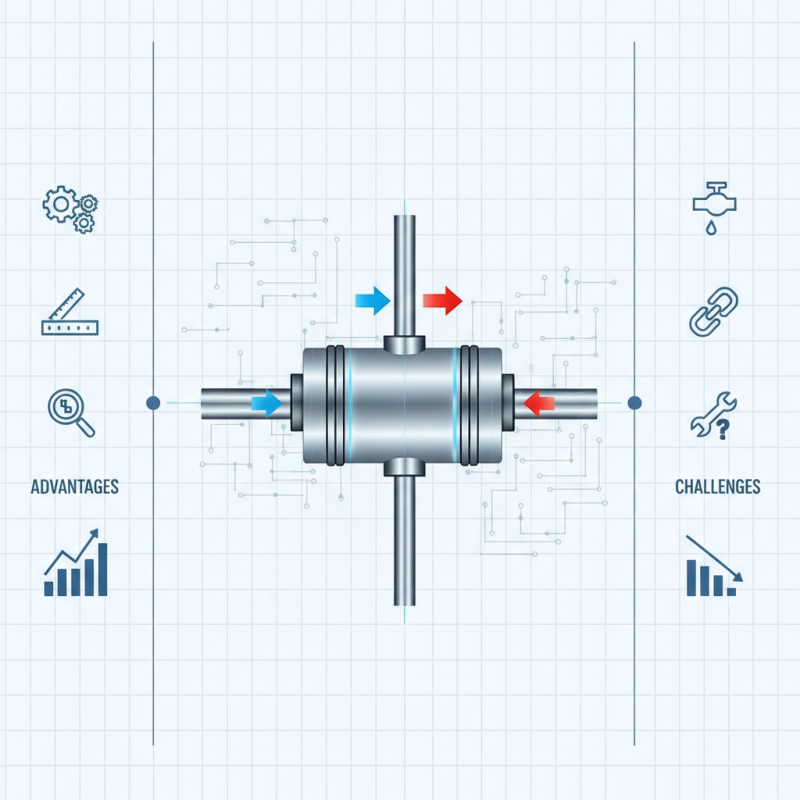
Double acting cylinders offer greater control and efficiency. They can exert force in both directions, making them more versatile than their single-acting counterparts. However, challenges remain in terms of maintenance and compatibility with various systems. Some manufacturers report issues with seals and fluid leakage, which can lead to performance degradation.
Engineers and operators must understand these challenges. Having a comprehensive grasp of double acting cylinders enhances reliability and reduces downtime. Involving data from industry analysis highlights the need for continual improvement. Despite advancements, further research is needed to optimize the design and prolong lifespan. This balance between efficiency and effectiveness is crucial for the future of automation.
What is a Double Acting Cylinder? Definition and Overview
A double acting cylinder is a type of linear actuator commonly used in industrial applications. It operates using air or hydraulic pressure. This design allows the cylinder to create motion in both extending and retracting actions. The ability to use pressure in both directions enhances efficiency in various mechanisms. This system can lift heavy loads, making it essential in manufacturing and construction.
The inner workings of a double acting cylinder involve two chambers. Each chamber is connected to a different port. When compressed air or fluid enters one chamber, it pushes the piston, moving the rod in one direction. Reversing the pressure sends the piston back. This process seems straightforward, yet many potential issues can arise. Seals may wear down over time, leading to leaks. Maintenance is often overlooked, which can cause significant downtime.
Understanding the double acting cylinder helps in various applications. While its functionality is widely accepted, achieving perfect performance requires continuous observation. Each system has its quirks. Awareness of how pressure affects movement is critical. Users should keep an eye on performance metrics to ensure consistency.
Key Components of Double Acting Cylinders: A Technical Breakdown
Double acting cylinders are essential components in hydraulic and pneumatic systems. These cylinders provide force in both directions, making them versatile in various applications. The key components include the barrel, piston, rod, and end caps. Each component plays a vital role in the cylinder's function.
The barrel houses the piston and provides a sealed environment for the hydraulic fluid or air. The piston's function is crucial as it moves within the barrel to create movement. As the piston moves, it compresses the fluid on one side while allowing fluid to flow from the other side. This dual-action allows for controlled movement in both extensions and retractions.
Moreover, the rods connect the piston to the external mechanism. These rods must be sturdy yet lightweight for efficient operation. Seals and bearings also play critical roles, ensuring efficiency and preventing leaks.
It’s important to consider these elements when designing or maintaining a double acting cylinder. Even small issues can lead to performance problems down the line. Understanding their makeup is essential for anyone involved in system design or repair.
How Double Acting Cylinders Operate: The Mechanics Behind Motion
Double acting cylinders are vital components in hydraulic systems. They operate by using pressurized fluid to move a piston both forward and backward. This dual-action capability provides more control and power in various industrial applications. The American Society of Mechanical Engineers notes that hydraulic cylinders can generate forces exceeding thousands of pounds, making them crucial in heavy machinery.
The mechanics of double acting cylinders are relatively straightforward. When fluid enters one side of the cylinder, it pushes the piston outward. Conversely, the fluid from the opposite side retracts the piston. This process allows for efficient and continuous motion. Industry reports indicate that double acting cylinders have an overall efficiency of around 90%. However, design flaws or improper maintenance can lead to performance drops.
Despite their effectiveness, double acting cylinders have notable drawbacks. They require precise alignment and regular maintenance to prevent leaks. A survey from a leading engineering firm revealed that improper installation is a common issue, affecting up to 15% of installations. Regular checks can mitigate these risks and ensure they function optimally, reflecting the significance of proper engineering practices in maximizing their potential.
Applications of Double Acting Cylinders in Various Industries
Double acting cylinders are widely utilized in various industries due to their versatility and efficiency. These cylinders operate with fluid pressure applied to both sides of the piston, allowing for controlled movement in both directions. They excel in applications where precise control and speed are essential. In manufacturing, double acting cylinders play a crucial role in automated machinery, providing the necessary thrust to assemble products quickly and accurately.
In construction, these cylinders are often found in heavy equipment. They help lift and move materials efficiently. The reliability of double acting cylinders ensures safety on job sites. Their use in hydraulic systems enhances the performance of cranes and excavators. The power generated from both strokes of the cylinder maximizes productivity.
Tips: Regular maintenance of double acting cylinders is essential for optimal performance. Inspect for leaks and wear regularly. Ensure that the hydraulic fluid is clean to avoid damage. Additionally, understanding the load requirements can help in selecting the right cylinder size. Properly matching the cylinder to the application can prevent failures and costly downtime.
Applications of Double Acting Cylinders in Various Industries
This bar chart illustrates the applications of double acting cylinders across various industries. Manufacturing applications lead with 30% usage, followed by the automotive industry at 25%, construction at 20%, aerospace at 15%, and agriculture at 10%.
Performance Data: Efficiency and Force Output of Double Acting Cylinders
Double acting cylinders are essential in numerous industrial applications. They provide force in both extension and retraction, enhancing efficiency. The performance data of these cylinders can reveal vital insights about their capabilities. Understanding their efficiency and force output is crucial for optimizing operations.
These cylinders can produce significant force because they use hydraulic or pneumatic pressure on both sides of the piston. This balanced application of pressure results in consistent power delivery, making them reliable for tasks requiring precise movement. However, achieving optimal efficiency can be challenging. Factors such as fluid viscosity and temperature can impact performance, leading to variations in output. Regular monitoring is necessary to ensure that the cylinders operate at peak efficiency.
When assessing force output, it is important to consider load conditions. External factors may hinder the expected performance, making it imperative to conduct thorough assessments. Inconsistent performance data could also indicate a need for maintenance or adjustments. Operators should be proactive in identifying these issues. This reflection will ultimately contribute to improved reliability and efficiency in double acting cylinders.