What is Fragile Paper Label Material and Its Applications?
Fragile Paper Label Material has gained significant attention in various industries. It is a unique type of paper that is designed to break easily when tampered with, ensuring product security. John Smith, an expert in packaging materials, emphasizes its importance: "Fragile Paper Label Material is a game-changer in product protection."
This material finds applications in food and beverage, pharmaceuticals, and electronics. In food packaging, it prevents tampering, thus ensuring safety. In pharmaceuticals, it ensures medication integrity. However, challenges exist. The production process can be complex, impacting quality and consistency.
Additionally, some industries may hesitate to adopt new materials. They worry about cost implications and performance issues. Yet, Fragile Paper Label Material's benefits can outweigh these concerns. As industries evolve, it is crucial to embrace innovations like this to enhance product security and consumer trust.
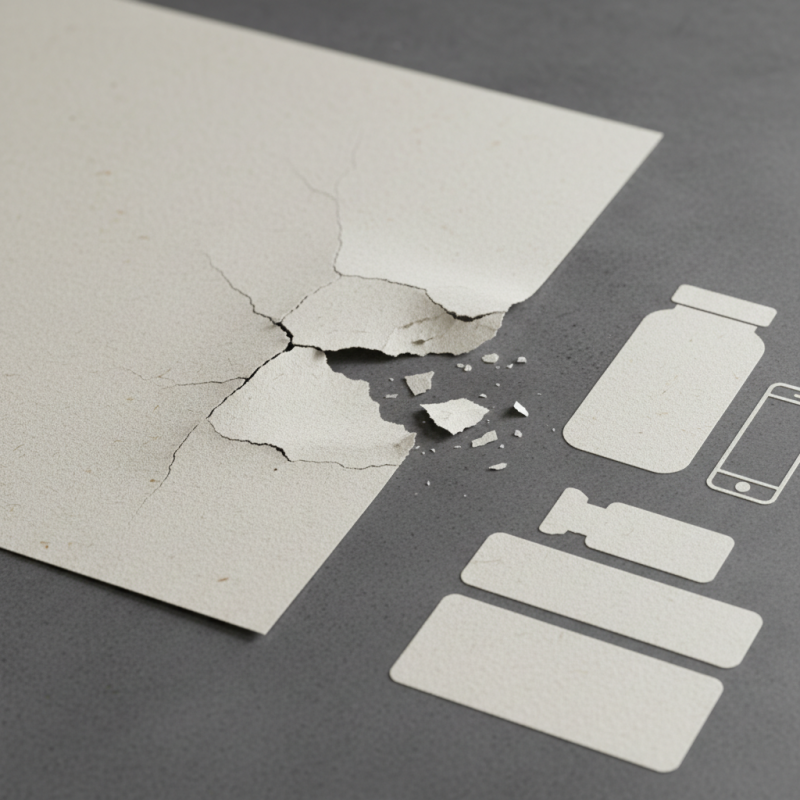
Definition of Fragile Paper Label Material
Fragile paper label material is a specialized type of paper used predominantly for security and identification purposes. It is designed to tear easily or show visible damage when tampered with, making it an effective option for various industries. According to a recent market analysis by Smithers, the demand for such materials in the packaging sector is projected to grow by approximately 4.5% annually through 2025.
This type of label material is often employed in situations where authenticity and security are crucial. Industries like pharmaceuticals, electronics, and high-value goods frequently utilize fragile paper labels. The integrity of products is maintained by ensuring that labels cannot be removed and reapplied without leaving evidence of tampering. Additionally, research from the Pressure-Sensitive Tape Council highlights the importance of using reliable materials for labels, emphasizing that improper labeling can lead to substantial losses.
Despite its benefits, fragile paper label material has limitations. The sensitivity of the paper can lead to potential issues during shipping or handling. Companies need to strike a balance between security and practicality. Moreover, the environmental impact of producing this specialized paper raises questions about sustainability in the labeling industry. As companies move toward greener alternatives, the future of fragile paper labels remains a topic of ongoing discussion.
Applications of Fragile Paper Label Material
This chart illustrates the applications of fragile paper label material across various industries. The usage frequency indicates the prevalence of fragile paper labels in food packaging, pharmaceuticals, electronics, retail, and cosmetics.
Key Characteristics of Fragile Paper Label Material
Fragile paper label material is known for its unique properties. This type of label is designed to tear easily when removed. It serves a specific purpose in applications where security or tampering is a concern. These labels are often used in fragile items, ensuring that any attempt to remove the label results in visible damage. This makes it clear that the item has been tampered with.
The key characteristics of fragile paper label material include a lightweight composition and a low adhesive strength. This allows for easy application, but it also raises questions about durability. In high-humidity environments, these labels may not stick as intended. They also can lose their print clarity if exposed to moisture. Despite these challenges, many industries still use fragile labels for their effective communication of warnings or instructions.
Another notable feature is the aesthetic appeal of fragile paper labels. They can be printed in vibrant colors and intricate designs, which add value to packaging. However, the tearable property can create issues in terms of branding consistency. Once the label is damaged, the brand message may be lost. Therefore, businesses must carefully assess the benefits and potential drawbacks of using fragile paper label materials.
What is Fragile Paper Label Material and Its Applications? - Key Characteristics of Fragile Paper Label Material
| Characteristic | Description | Applications |
| Fragility | Designed to break or tear upon removal, ensuring tamper evidence. | Security seals, warranty labels, anti-tamper seals. |
| Printability | High-quality printing capabilities for clear text and graphics. | Product labels, barcode labels, promotional stickers. |
| Adhesion | Strong adhesion to various surfaces, ensuring the label stays in place. | Packaging, shipping labels, hazardous material labels. |
| Environment | Can be designed to be recyclable or biodegradable. | Eco-friendly packaging, sustainability-focused products. |
| Durability | Resistant to moisture and various chemicals. | Industrial labeling, outdoor products, food packaging. |
Common Applications of Fragile Paper Labels
Fragile paper label material is a unique option for various applications. It is designed to tear easily, making it ideal for use in security-sensitive environments. When applied, these labels can reveal tampering. This feature is crucial in sectors like electronics and pharmaceuticals, where authenticity is key.
Common applications of fragile paper labels include product packaging and inventory management. For instance, many manufacturers use them on sensitive goods. Once the label is removed, it leaves evidence of tampering. This ensures that consumers receive intact products. In logistics, fragile labels are used to track shipments. They help companies avoid loss and mislabeling during transit.
Another application is in the food industry. Here, fragile paper labels help prevent unauthorized access. In this sector, safety and trust are paramount. Fragile labels, however, may not withstand harsh conditions. This can limit their use in outdoor environments. Users should consider these factors carefully to avoid unexpected challenges.
Benefits and Drawbacks of Using Fragile Paper Labels
Fragile paper labels are a unique labeling solution. These labels are designed to break into pieces if tampered with. This feature increases security for sensitive products. However, their use comes with both benefits and drawbacks.
One major benefit of fragile paper labels is their deterrent effect against tampering. According to a report by the National Association of Manufacturers, product tampering costs U.S. companies over $7 billion annually. Using fragile paper labels can reduce these risks significantly. They also add a premium feel to products, enhancing brand perception. Yet, on the downside, these labels may not withstand moisture or extreme temperatures. This factor limits their application in outdoor settings or humid environments.
Tip: When using fragile paper labels, conduct tests under various conditions to ensure they meet performance needs. Keep in mind that the initial investment can be higher. However, the potential loss from tampering could far exceed these costs. As with any material, evaluating both its strengths and weaknesses is crucial for optimal results.
Best Practices for Handling and Applying Fragile Paper Labels
When working with fragile paper labels, proper handling and application are crucial to ensure their effectiveness and longevity. These labels are designed for sensitive or delicate surfaces. They are often made from specialty paper, making them prone to tearing and damage. To apply them properly, it is essential to handle them with care to avoid any accidental rips.
Tips: Always hold the edges when positioning fragile paper labels. This minimizes the risk of curling or tearing the material. Ensure the surface is clean and dry before application. Contaminants like dust can weaken adhesive properties.
In a recent industry report, it was noted that improperly applied labels can lead to a 30% increase in product returns. This highlights the importance of meticulous application. When applying these labels, use a gentle, firm pressure to adhere the label without bubbles. If bubbles form, take care to remove them with a straight edge.
Tips: Consider using a light touch and aligning the label slowly. This prevents misplacement. Remember, while fragile paper labels are effective, they require thoughtful handling to maintain their integrity and functionality.