How to Implement Robotics and Automation in Your Business Effectively?
In today's competitive landscape, implementing robotics and automation in business is not just an option; it's a necessity. According to a report by McKinsey, up to 45% of current work activities could potentially be automated using existing technology. This statistic highlights the urgency for companies to adapt. Robotics and automation can enhance efficiency, reduce costs, and improve accuracy in operations.
However, the path to successful implementation is complex. Many businesses struggle with integration due to a lack of clear strategy. A study by Deloitte indicated that 40% of organizations faced challenges in scaling their automation processes. Understanding how to apply robotics and automation effectively requires expertise and continuous improvement. Businesses must evaluate their goals and resources carefully to avoid pitfalls.
Moreover, not every business is ready for abrupt changes. It's crucial to assess the current technological landscape and workforce capabilities. The integration process will reveal gaps in knowledge and infrastructure. Embracing robotics and automation means acknowledging these challenges and addressing them thoughtfully.
Identifying Areas for Robotics and Automation in Your Business
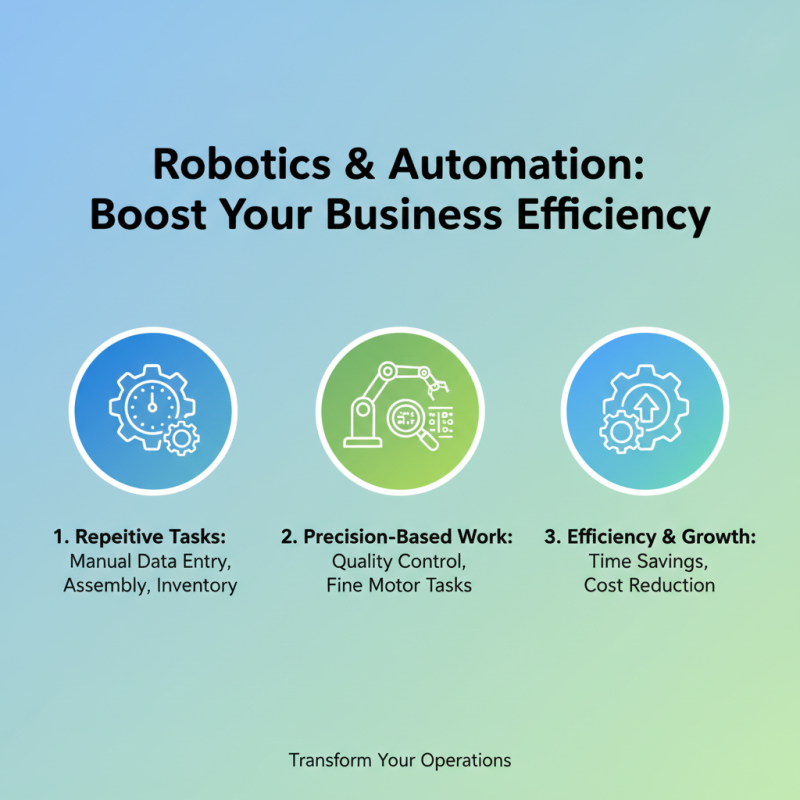
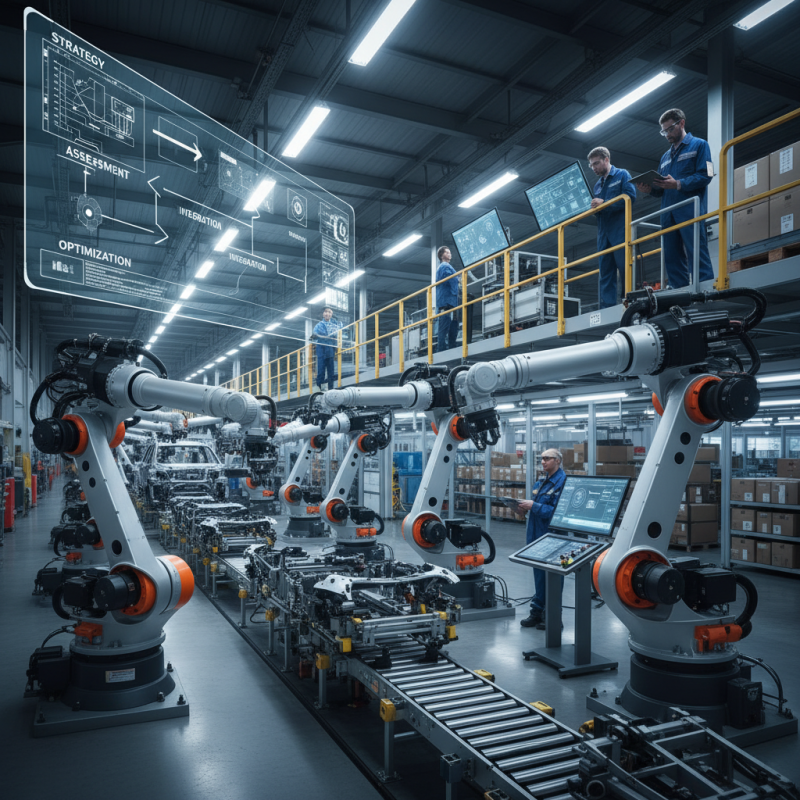
Identifying areas for robotics and automation in your business can be a game changer. Start by evaluating repetitive tasks that consume time. These tasks often involve manual data entry, assembly operations, or inventory management. Focusing on tasks that require precision can yield significant efficiency gains.
Consider employee feedback as well. They can provide insights into pain points that technology could address. Analyze processes that cause delays or errors. This assessment helps in honing in on where robotics can have the most impact. Don’t overlook customer-facing operations. Automation can enhance service speed and accuracy, leading to improved customer satisfaction.
While pursuing automation, be mindful of the human aspect. Employee concerns about job security may arise. Effective communication and training programs are essential to alleviate fears and foster acceptance. Engaging staff in the transition process can create a sense of ownership and enthusiasm. Recognize that not every task needs automation. Reflect on which areas will truly benefit your business. Careful consideration can turn potential risks into rewarding opportunities.
Assessing the Costs and Benefits of Implementing Robotics
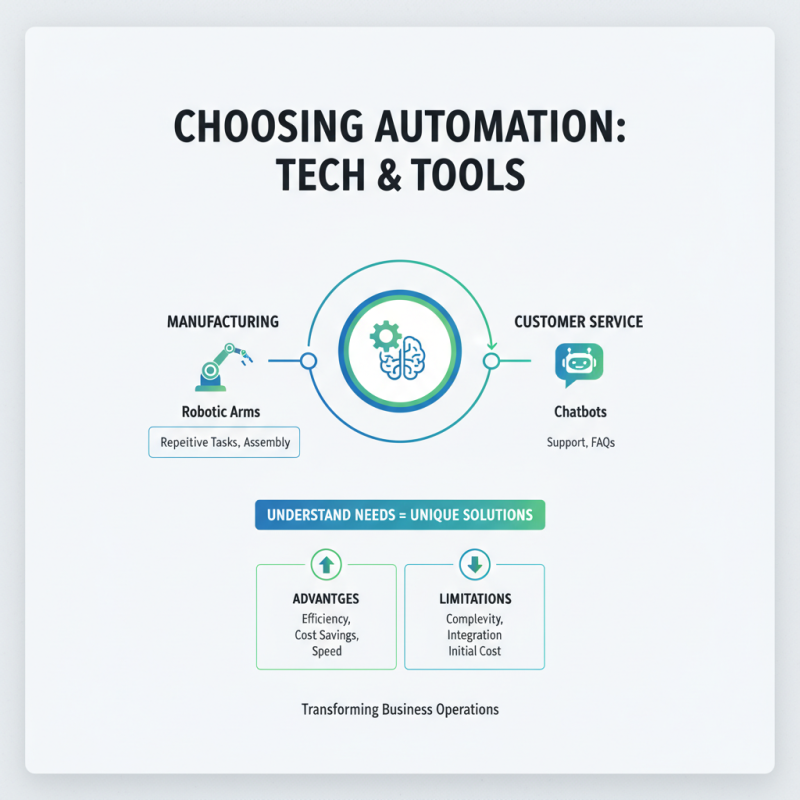
When considering the integration of robotics in business, assessing costs and benefits is crucial. Initial expenses like equipment purchase and installation can be significant. Training staff to operate new systems also adds to costs. A thorough evaluation should forecast these investments against predicted productivity gains.
Benefits are numerous but varied. Automation can lead to increased efficiency and reduced labor costs. However, companies must consider potential job displacement. The technology may require continuous updates and maintenance, which can take time and resources. It's essential to weigh these factors carefully.
Another aspect is the potential impact on customer experience. While automation enhances speed, it may lack the personal touch that some customers value. Gathering feedback from stakeholders can guide adjustments needed during the transition. Organizations should be ready to re-evaluate strategies along the way. This reflection will ensure a cohesive approach to integrating robotics effectively.
Training Employees to Work Effectively with Robotics
Training employees to work effectively with robotics is crucial as automation permeates various sectors. According to a PwC report, around 45% of jobs could be automated by the early 2030s. This highlights the need for businesses to invest in training programs. Employees must learn how to interact with robots and software systems. Skill development is essential to ensure they can handle new technologies confidently.
Hands-on training sessions are vital. Incorporating real-life scenarios can enhance understanding. For instance, manufacturing workers can practice operating robotic arms on the production floor. A McKinsey study indicates that companies see productivity increases of up to 20% when staff are well-trained. This shows that ongoing education can yield significant benefits.
However, challenges remain. Some employees may resist change, fearing job loss. Open communication is necessary to address these concerns. A lack of understanding about robotic roles can create anxiety. Training should not just focus on skills; it should also foster a culture of collaboration with technology. Ultimately, a comprehensive training approach can empower employees and enhance efficiency in the workplace.
How to Implement Robotics and Automation in Your Business Effectively? - Training Employees to Work Effectively with Robotics
| Training Method |
Duration (Hours) |
Employee Engagement (%) |
Skill Improvement (%) |
Cost ($) |
| Hands-on Workshops |
8 |
85 |
40 |
1000 |
| Online Courses |
20 |
70 |
30 |
500 |
| Mentorship Programs |
15 |
90 |
50 |
1500 |
| Simulation Exercises |
10 |
80 |
45 |
800 |
| Group Discussions |
5 |
75 |
20 |
300 |
Measuring Success and Adjusting Strategies for Continuous Improvement
Measuring success in robotics and automation is crucial for any business aiming for efficiency. According to recent industry reports, companies that implement automation see a 20-30% increase in productivity. However, simply adopting technology isn’t enough; assessing its impact and adjusting strategies is vital. Regular performance reviews can help identify areas for improvement.
Tips: Set clear metrics to evaluate success. Consider key performance indicators (KPIs) like production speed, error rates, and employee satisfaction. These metrics provide a measurable framework for assessing automation effectiveness.
Adjusting strategies may involve looking beyond numbers. Feedback from employees can highlight operational challenges. Reports indicate that 70% of automation projects face pushback from workers due to poor implementation. Addressing these concerns swiftly can lead to smoother transitions. Include team members in the process for better acceptance and effectiveness.
Continuous improvement is essential. Re-evaluate processes regularly to adapt to evolving technologies. Industry standards often change, making it necessary to stay updated and responsive. Tracking progress ensures that your business not only implements robotics and automation but also thrives in a competitive landscape.
Effectiveness of Robotics and Automation Implementation in Businesses