What is an Infrared Optical Sorter and How Does It Work?
The increasing demand for efficiency in sorting processes has led to advancements in technology, notably the Infrared Optical Sorter. This innovative equipment utilizes infrared spectroscopy to distinguish materials based on their unique spectral fingerprints. According to a recent industry report, the global market for optical sorters is projected to reach $3 billion by 2025, highlighting the growing importance of this technology across various sectors.
Infrared Optical Sorters provide precision and speed in sorting operations. They can identify and separate materials with a high degree of accuracy, outperforming traditional methods. However, as with any technology, there are limitations. For example, certain materials may present challenges in detection. It is crucial for operators to continuously evaluate and refine their sorting processes to maximize effectiveness.
Reliability in sorting is essential. Infrared Optical Sorters can significantly reduce contamination levels and improve product quality. Yet, improper calibration or maintenance can lead to suboptimal performance. Regular training and updates are necessary for operators to fully leverage the capabilities of this advanced technology.
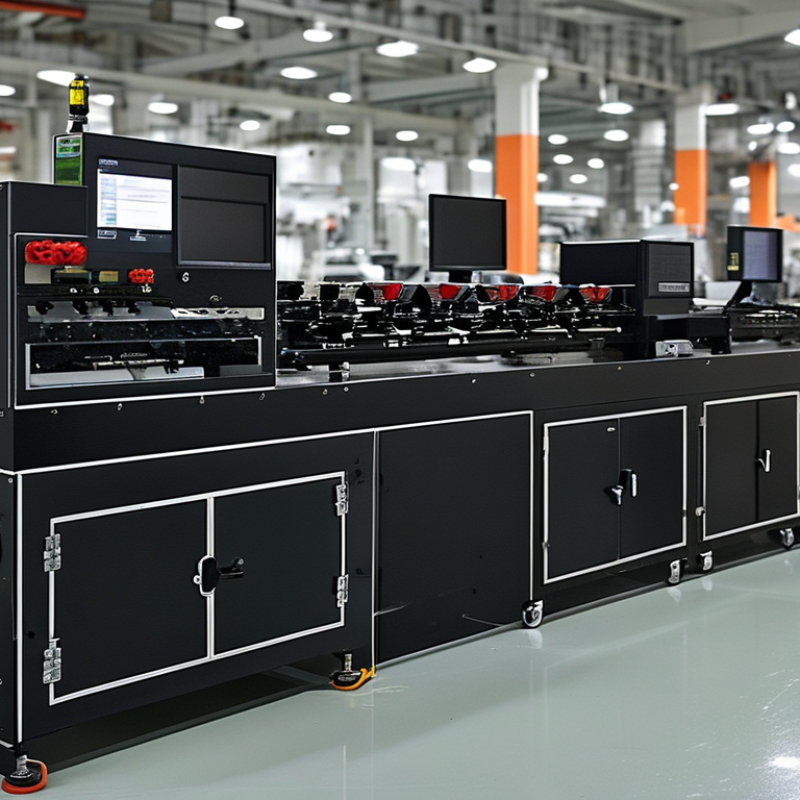
What is an Infrared Optical Sorter?
Infrared optical sorters are advanced sorting systems used in various industries. They utilize infrared sensors to identify and separate materials based on their unique spectral signatures. This technology enhances sorting efficiency significantly. For instance, a report by Smithers Pira indicates that the market for infrared sorters is expected to grow by 30% in the next five years. This surge highlights the importance of these systems in waste management and recycling processes.
The core function of an infrared optical sorter is based on how different materials absorb and reflect infrared light. Each type of material has a distinct spectral response, which the sorter can detect. This ability allows for precise sorting of materials, including plastics, metals, and organic waste. According to a study by the Association of Plastic Recyclers, using infrared sorting can increase recycling rates by up to 50%. However, it's essential to note that not all types of materials are suitable for this technology, leading to a potential gap in efficiency.
Despite the advantages, there are challenges with infrared optical sorters. Factors such as dust and moisture can interfere with the sensors, affecting accuracy. Furthermore, some materials may require additional preprocessing before sorting. Regular maintenance of these systems is crucial for optimal performance. There’s still ongoing research to improve sensor technology and sorting algorithms, which could enhance reliability and processing speed.
The Technology Behind Infrared Optical Sorting
Infrared optical sorting technology leverages wavelengths beyond visible light to enhance material separation. It helps in identifying specific materials based on their infrared signature. This capability enables efficient sorting in various industries, such as recycling and food processing. According to industry reports, infrared sorting can improve separation efficiency by up to 95%, significantly reducing contamination levels in processed materials.
This technology involves several key components, including infrared cameras and specialized software. The cameras detect the unique spectral attributes of materials. The software analyzes this data, making rapid sorting decisions. As reported by research from the Association of Plastic Recyclers, using infrared sorting can lead to a 30% increase in yield for recycled plastics. However, achieving optimal results requires precise calibration and adjustments to account for variations in material properties.
Despite its advantages, infrared optical sorting is not without challenges. The complexity of different materials can sometimes hinder accuracy. Certain substances may not emit a clear infrared signature, leading to potential sorting errors. Continuous advancements in machine learning and data algorithms aim to address these issues. Experts suggest regular maintenance and updates are crucial for improving performance and reliability in operational settings.
Key Applications of Infrared Optical Sorters in Industry
Infrared optical sorters have become essential in various industries due to their efficiency and precision. They utilize infrared technology to detect different materials. This capability is invaluable in recycling, food processing, and pharmaceuticals. According to industry reports, the global market for infrared sorting systems is expected to reach $300 million by 2025, highlighting growing interest in this technology.
In recycling, infrared optical sorters can identify and separate plastics effectively. They analyze the chemical composition of materials, allowing for higher quality recycling outputs. Reports suggest that using these systems can improve recycling rates by up to 40%. In the food industry, quality control is crucial. Infrared sorters can detect foreign materials and ensure product safety, enhancing consumer trust.
Tips: Regular maintenance of infrared optical sorters enhances their performance. Proper calibration is vital to ensure accurate sorting. Remember, while the technology is robust, operators should still monitor the sorting process closely. It’s important to reflect on the limitations, such as potential misidentification of similar materials, which can impact overall efficiency. Balancing technology with human oversight is key to achieving optimal results.
Performance Metrics: Efficacy and Efficiency of Sorting Process
Infrared optical sorters have revolutionized the sorting process in various industries. Their performance metrics often focus on efficacy and efficiency. Efficacy measures how well these systems can identify and separate materials based on specific infrared signatures. Reports suggest that modern infrared sorters can achieve separation accuracy rates exceeding 95%. This high level of precision is crucial in sectors like recycling, where contamination can severely impact the quality of reclaimed materials.
Efficiency is another critical metric, representing the throughput and speed of the sorting process. Many systems now operate at speeds of up to 10 tons per hour. However, achieving optimal efficiency requires careful calibration and maintenance. Operational disruptions can lead to reduced sorting rates, which emphasizes the importance of regular performance assessments. Identifying and addressing bottlenecks can lead to significant improvements in productivity.
Tip: Routine calibration enhances both efficacy and efficiency in sorting. Even minor adjustments can lead to better results.
Despite these advantages, there are challenges in adopting infrared sorting technology. Initial costs can be high, and understanding the technology requires training. Integrating these systems with existing workflows may create friction. Continuous evaluation of performance metrics helps to ensure businesses are making the most out of their investment.
Tip: Regular training sessions for operators can improve understanding and user experience.
Future Trends and Innovations in Infrared Sorting Technology
Infrared sorting technology is evolving rapidly. The future trends focus on enhanced efficiency and precision. Recent reports indicate a projected market growth rate of over 10% annually through 2027. This increase is driven by the growing demand for waste recycling and food sorting applications.
One interesting development is the integration of AI into infrared sorters. This allows for real-time adjustments based on varying material composition. AI-driven sorters can learn from previous sorting patterns, significantly reducing errors and increasing yield. However, this innovation also brings challenges. The complexity of algorithms requires ongoing training and maintenance. Regular updates are essential to keep systems efficient.
Tips: Regularly review your sorting criteria. Outdated parameters can lead to inefficiencies. Training staff on new technologies is crucial as well. Knowledgeable operators can identify when adjustments are needed, keeping the system optimal. The push towards automation must also consider human oversight. Balance is key to harnessing technology effectively.
What is an Infrared Optical Sorter and How Does It Work?
| Parameter | Description |
| Technology Used | Infrared spectroscopy |
| Sorting Speed | Up to 100 tons per hour |
| Sorting Accuracy | 95% or higher |
| Types of Materials | Plastics, textiles, food products |
| Environmental Impact | Reduces landfill waste and promotes recycling |
| Future Trends | Integration of AI for enhanced sorting capabilities |