Top Innovations in Automation Machines for 2025 You Need to Know
As we approach 2025, the landscape of automation machines is set to undergo a remarkable transformation, driven by groundbreaking innovations that enhance efficiency, flexibility, and scalability in various industries. These advancements are not just about machinery; they symbolize a paradigm shift in how businesses operate, pushing the boundaries of what is possible in automation. From smart robotics to integrated AI systems, the next generation of automation machines is poised to redefine productivity and operational excellence.
In this era of rapid technological advancement, understanding the trends shaping automation is crucial for anyone looking to stay ahead in the competitive market. Innovations such as adaptive learning algorithms and IoT connectivity are paving the way for machines that not only perform tasks but also learn and adapt to optimize their functions. As these technologies become more accessible, businesses across sectors will leverage automation machines to streamline processes, reduce costs, and enhance overall performance.
This article delves into the top innovations that are set to impact automation machines by 2025. By exploring these trends, we can gain insights into how organizations can harness the power of automation to drive growth and remain relevant in an ever-evolving landscape. Whether you are an industry professional or simply curious about the future of technology, understanding these innovations will equip you with the knowledge to navigate the forthcoming changes in automation.
Key Trends Shaping Automation Technologies in 2025
In 2025, automation technologies are poised to undergo significant transformations driven by key trends that will reshape various industries. One of the most impactful trends is the integration of
artificial intelligence (AI) and machine learning in automation systems. These technologies will enable machines to not only perform repetitive tasks but also analyze data patterns and adapt to changing operational requirements. This enhanced cognitive capability will lead to
increased efficiency and productivity, allowing businesses to streamline processes and reduce operational costs.
Another pivotal trend is the rise of collaborative robots, or cobots, designed to work alongside human operators. These machines will be equipped with advanced sensors and AI algorithms that enable them to safely interact with people, facilitating a more flexible work environment. By augmenting human abilities, cobots will not only enhance workforce productivity but also support workers in complex tasks that require dexterity and problem-solving skills. This trend signifies a shift towards more human-centric automation approaches, where technology complements human effort rather than replacing it.
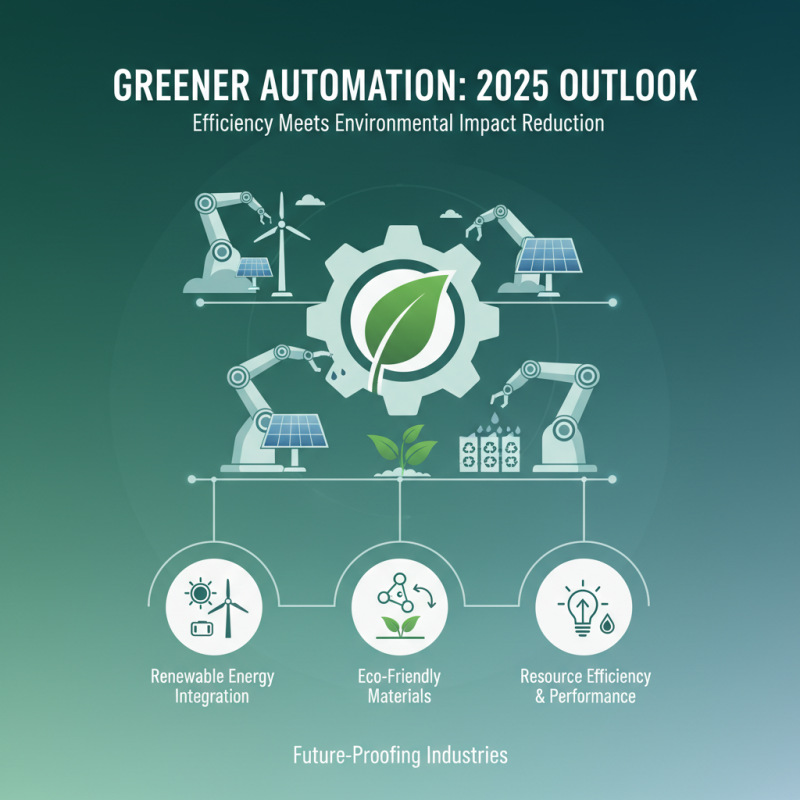
Furthermore, sustainability will play a crucial role in shaping automation technologies in 2025. Companies are increasingly prioritizing environmentally friendly practices, and automation machines will need to align with these goals. Innovations in
energy-efficient designs and waste reduction through process optimization will become standard, reflecting the growing demand for sustainable industrial solutions. As organizations aim to minimize their ecological footprint, automation technologies will evolve to support this mission, promoting greener production methods and reducing resource consumption.
Breakthrough Robotics: Enhancements in Flexibility and Efficiency
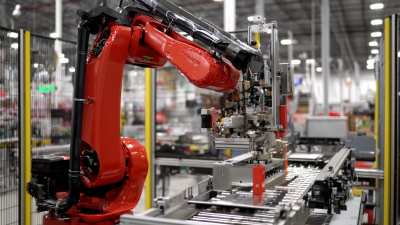
The landscape of automation machinery is set to experience remarkable advancements by 2025, with a particular emphasis on breakthrough robotics that enhance flexibility and efficiency. As industries aim for higher productivity, robotics are being designed to adapt seamlessly to varying tasks and environments. These innovations are transforming traditional manufacturing processes, allowing machines to handle an increasing variety of applications without the need for constant reprogramming. This adaptability is crucial in meeting market demands that fluctuate rapidly and unpredictably.
Tips: When considering automation solutions, focus on systems that prioritize user-friendliness and are easily integrated into existing workflows. Look for robots equipped with advanced sensors and AI capabilities that allow them to learn and optimize their operations over time. This not only improves efficiency but also reduces downtime for maintenance and recalibration.
As companies move toward more intelligent automation systems, the importance of collaboration between human workers and machines cannot be overstated. Robotic co-workers, designed to operate alongside humans, enhance overall productivity by taking over repetitive or hazardous tasks, thereby freeing up human talent for more complex decision-making roles. This synergy not only boosts operational efficiency but also promotes a safer and more engaging work environment, which is crucial for long-term growth.
Artificial Intelligence Integration in Automation Processes
The integration of artificial intelligence (AI) into automation processes is set to revolutionize industries by 2025. As AI technologies continue to evolve, they will enable automation machines to not only perform repetitive tasks but also adapt to changing environments and optimize their operations in real time. This fusion of AI with automation allows for predictive maintenance, reducing downtime and enhancing productivity. Machine learning algorithms can analyze vast amounts of data from equipment sensors, identifying patterns and trends that inform better decision-making and process improvements.
To harness the power of AI in automation, businesses should focus on investing in training their workforce to understand and manage these advanced technologies. This ensures a smoother transition and greater acceptance of AI-driven processes.
**Tip:** Start small by implementing AI solutions in specific areas of your operations where they can deliver immediate results. This allows you to measure effectiveness and scale their integration as confidence and familiarity with the technology grow.
As AI becomes more prevalent in automation, ethical considerations and data privacy will also be crucial. Companies must establish guidelines that govern the use of AI to foster trust and transparency while maximizing the benefits of automation.
**Tip:** Regularly review your AI applications and their impact on employees and customers to ensure they align with your company's values and ethical standards, enhancing both productivity and corporate reputation.
Top Innovations in Automation Machines for 2025
This chart illustrates the projected adoption rates of various Artificial Intelligence integrations in automation processes by 2025. As businesses increasingly embrace intelligent systems, understanding these trends is crucial for future planning.
Sustainable Automation Solutions for a Greener Future
As industries rapidly evolve, the focus on sustainable automation solutions for a greener future is becoming increasingly vital. In 2025, businesses will prioritize innovations that not only enhance efficiency but also reduce environmental impact. The integration of renewable energy sources and eco-friendly materials in automation machines will be at the forefront of this transformation. Machine designs will incorporate energy-efficient technologies and adaptive systems that minimize resource waste while maintaining peak performance.
Tips for businesses looking to integrate sustainable automation solutions include assessing current energy consumption patterns and identifying areas for improvement. Businesses can benefit from investing in automation systems that are designed for recyclability or made from sustainable materials. Regular maintenance and upgrades of existing automation machinery can also lead to increased energy efficiency, prolonging the lifecycle of equipment and minimizing waste.
Moreover, companies should prioritize supplier relationships with those who share a commitment to sustainability. Collaborating with partners who produce environmentally friendly components will ensure that the entire supply chain supports green practices. Embracing these sustainable automation solutions will not only contribute to environmental preservation but can also enhance corporate reputation and customer loyalty, driving growth in today's eco-conscious market.
Real-Time Data Analytics for Enhanced Operational Performance
As we approach 2025, the integration of
real-time data analytics
into automation machines is set to revolutionize operational performance across various industries.
By harnessing the power of advanced analytics, businesses can gain immediate insights
into their processes, allowing for quicker decision-making and enhanced efficiency. This capability
enables companies to monitor production lines continuously, identifying bottlenecks and inefficiencies
as they arise, thereby minimizing downtime and optimizing resource use.
Moreover,
real-time data analytics facilitates predictive maintenance,
wherein machines can self-assess their operational health. By analyzing performance data in real time,
these systems can forecast potential failures before they occur, enabling proactive maintenance that reduces
unexpected breakdowns. This not only ensures uninterrupted production but also extends the lifespan of the equipment,
leading to significant cost savings.
The seamless fusion of automation with real-time analytics heralds a
new era where intelligent machines operate with remarkable precision, driving industries toward unprecedented
levels of productivity and competitiveness.