What is a Robot and How Do They Work?
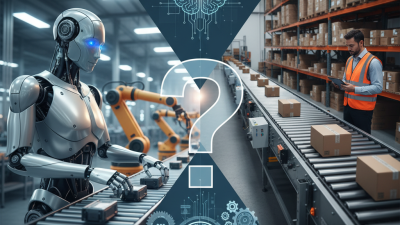
In recent years, technology has significantly evolved, leading to the development of robots. To truly understand robotics, we must define robot. A robot is typically a machine that can perform tasks automatically. They vary in form and function, from industrial machines to household helpers.
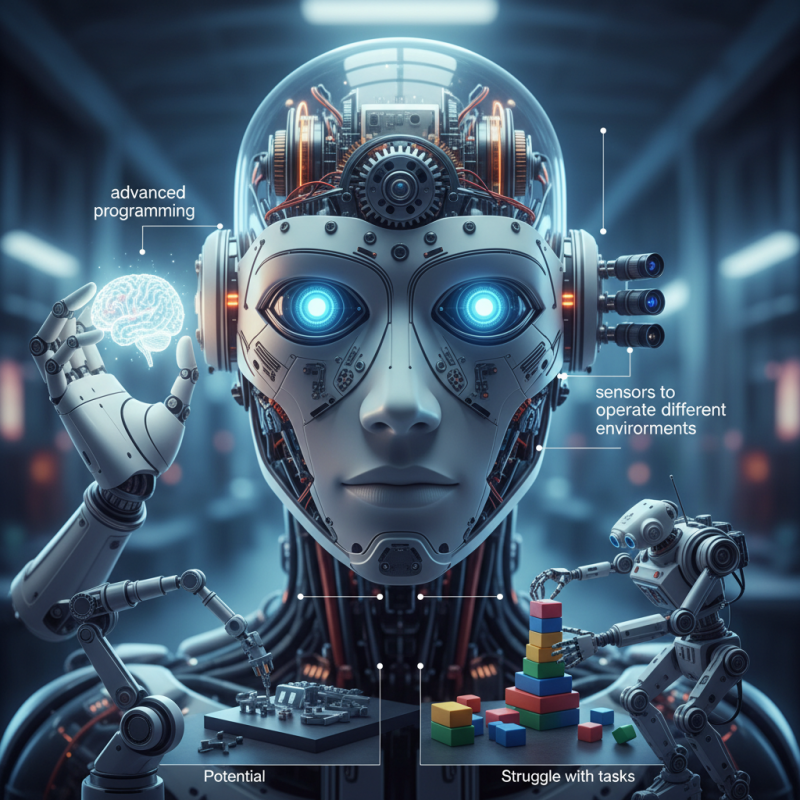
These machines often rely on advanced programming and sensors to operate in different environments. Their ability to work autonomously raises questions about their potential and limitations. Not every robot is perfect. Some still struggle with tasks that seem simple to humans. For instance, a robot may misidentify objects or fail to adapt to unexpected changes.
Understanding what makes a robot efficient or flawed invites deeper reflection. As we explore the world of robotics, we see a merging of engineering and creativity. Robots hold promise, yet they challenge us to think critically about their impact.
Definition and Classification of Robots: Understanding the Spectrum of Automation
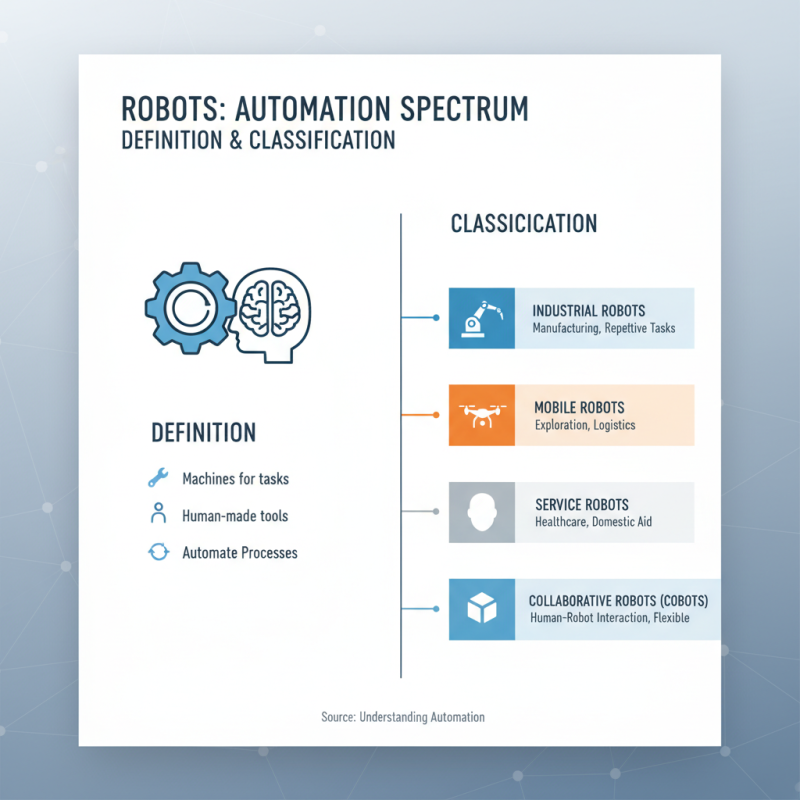
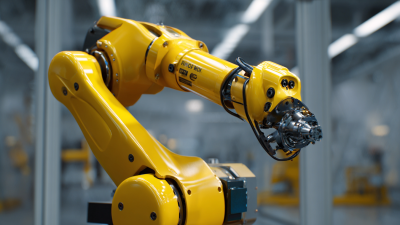
Robots are fascinating machines, designed to perform tasks that range from simple to complex. At their core, they are tools created by humans to automate processes. The classification of robots is broad, encompassing various types. Industrial robots, for example, are often used in manufacturing settings. They excel at repetitive tasks, like assembling products. However, their lack of adaptability sometimes limits their effectiveness.
On the other end of the spectrum, service robots operate in more dynamic environments. They assist with tasks in homes and hospitals. These robots can engage with people in meaningful ways. Yet, they often struggle with understanding nuanced social cues. Personalization remains a challenge in this space. A robot that reads emotions well is still a work in progress.
In education, educational robots facilitate learning through interaction. They offer students hands-on experience with technology. But they might not cater to every student's needs. Some learners thrive with traditional methods. The classification of robots reveals a spectrum of possibilities, but it also highlights areas needing improvement. Understanding these gaps can spark innovation and enhance robot functionality in diverse fields.
Key Components of Robotic Systems: Hardware and Software Interplay
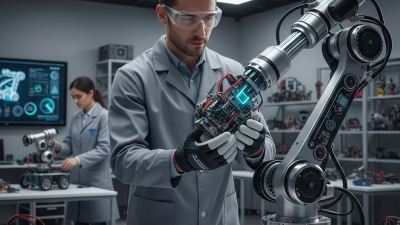
Robots are fascinating systems that blend hardware and software. Understanding their components helps us comprehend their capabilities. Key components include sensors, actuators, and control systems. Sensors detect environment changes. Actuators execute movements based on sensor input. The interplay of these parts allows robots to interact with the world effectively.
According to a report by the International Federation of Robotics, the global market for robots is expected to reach $150 billion by 2025. This growth is driven by advancements in AI and machine learning, which enhance robotic functionality. However, many companies still struggle with integrating software and hardware. Issues arise from incompatibility and insufficient testing.
Tips: Design with flexibility in mind. Ensure that components can easily adapt to changes, minimizing future costs. Also, invest in rigorous testing stages. This can reveal potential failures and improve reliability. Remember, iterative development is key to finding what works best in robotic systems.
What is a Robot and How Do They Work? - Key Components of Robotic Systems: Hardware and Software Interplay
| Component |
Description |
Type |
Example Applications |
| Sensors |
Devices that detect physical inputs from the environment. |
Hardware |
Autonomous vehicles, industrial robots |
| Actuators |
Components that convert energy into motion. |
Hardware |
Robotic arms, drone motors |
| Control System |
The brain of the robot that processes input and regulates output. |
Hardware/Software |
Self-driving cars, robotic arms |
| Programming Interface |
Tools and languages used to control robots. |
Software |
Robot operating systems, simulation software |
| Power Supply |
Source of energy used to power the robot. |
Hardware |
Battery systems, plug-in power |
How Robots Perceive Their Environment: Sensors and Data Processing
When we think about robots, it's essential to understand how they perceive their surroundings. Robots have a set of sensors that gather data about their environment. These sensors can be cameras, microphones, or tactile sensors. They act like a robot's eyes and ears, allowing it to “see” and “hear” what is happening around it.
Data processing is crucial for interpreting the information from these sensors. A robot must analyze the data to make decisions. For instance, if a robot detects an obstacle using its sensors, it needs to decide whether to move around it or halt. This decision-making process involves complex algorithms that can sometimes lead to errors. Not every robot interprets data perfectly. It’s common for them to misjudge situations, leading to unintended consequences.
Tips: When building or programming robots, ensure sensor calibration is correct. Small misalignments can cause significant errors in perception. Regularly test robots in varied environments to understand how they adapt. This helps in improving their data processing capabilities. Remember, even robots learn and improve, albeit slowly. They may require constant adjustments.
The Role of Robotics in Different Industries: Statistics and Growth Trends
The robotics industry is experiencing significant growth across various sectors. According to a recent report, the global robotics market is expected to reach $210 billion by 2025. This growth is driven by advancements in technology and the increasing need for automation in industries like manufacturing, healthcare, and logistics.
In manufacturing, robots have transformed production lines. Statistics show that robots can enhance productivity by up to 30%. However, reliance on robotics has raised concerns about job displacement. Many workers fear losing their roles to machines. The delicate balance between efficiency and workforce stability remains an ongoing challenge.
Healthcare is another area where robotics is making inroads. Surgical robots are becoming more common, improving precision in operations. Data indicates that the robotic surgical market could see a growth rate of over 20% annually. While these advancements lead to better patient outcomes, ethical considerations around automation in health settings persist. Balancing innovation with human touch is critical.
Future Trends in Robotics: Innovations and Challenges Ahead
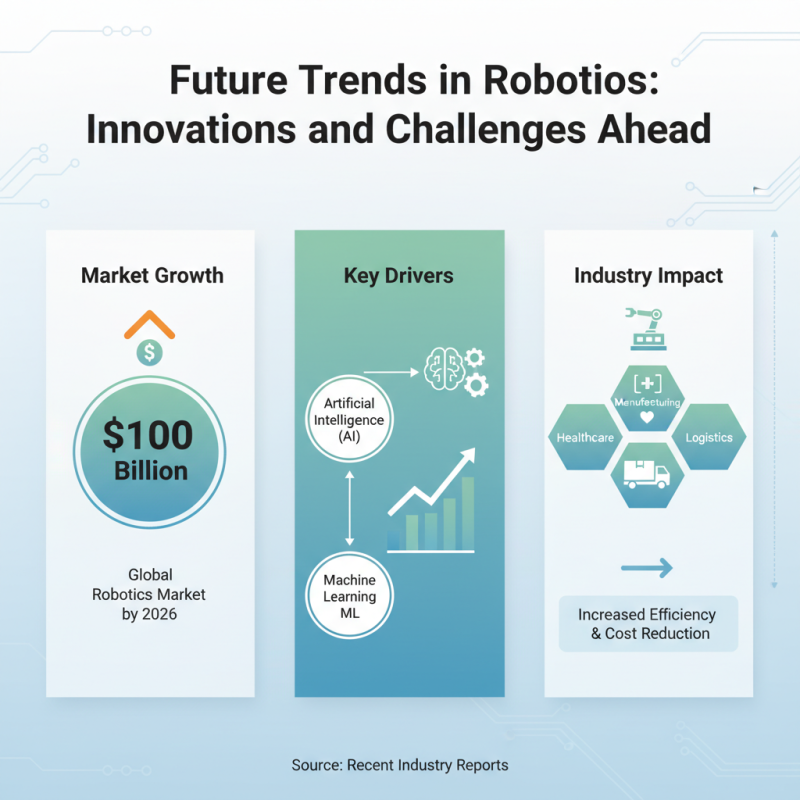
The future of robotics holds exciting innovations and significant challenges. Recent reports indicate that the global robotics market is expected to reach $100 billion by 2026. This growth will be driven by advancements in artificial intelligence and machine learning. Many industries, including manufacturing, healthcare, and logistics, are exploring how robots can increase efficiency and reduce costs.
However, challenges remain. A major concern is job displacement. As robots take over repetitive tasks, many workers may find their skills becoming obsolete. Ongoing training programs are essential to help workers adapt. Solutions like reskilling initiatives could mitigate this issue. Companies and policymakers must prioritize workers' transition into new roles.
Tips: When exploring robotics, consider the ethical implications. How will automation impact your community? Stay informed about the latest trends and technological advancements. Join discussions around the responsible use of robotics in various sectors. Keep an eye on developments in legislation related to robotics. This ensures that innovations are balanced with societal needs.