Top 10 Robotic Automation Solutions Transforming Businesses Today

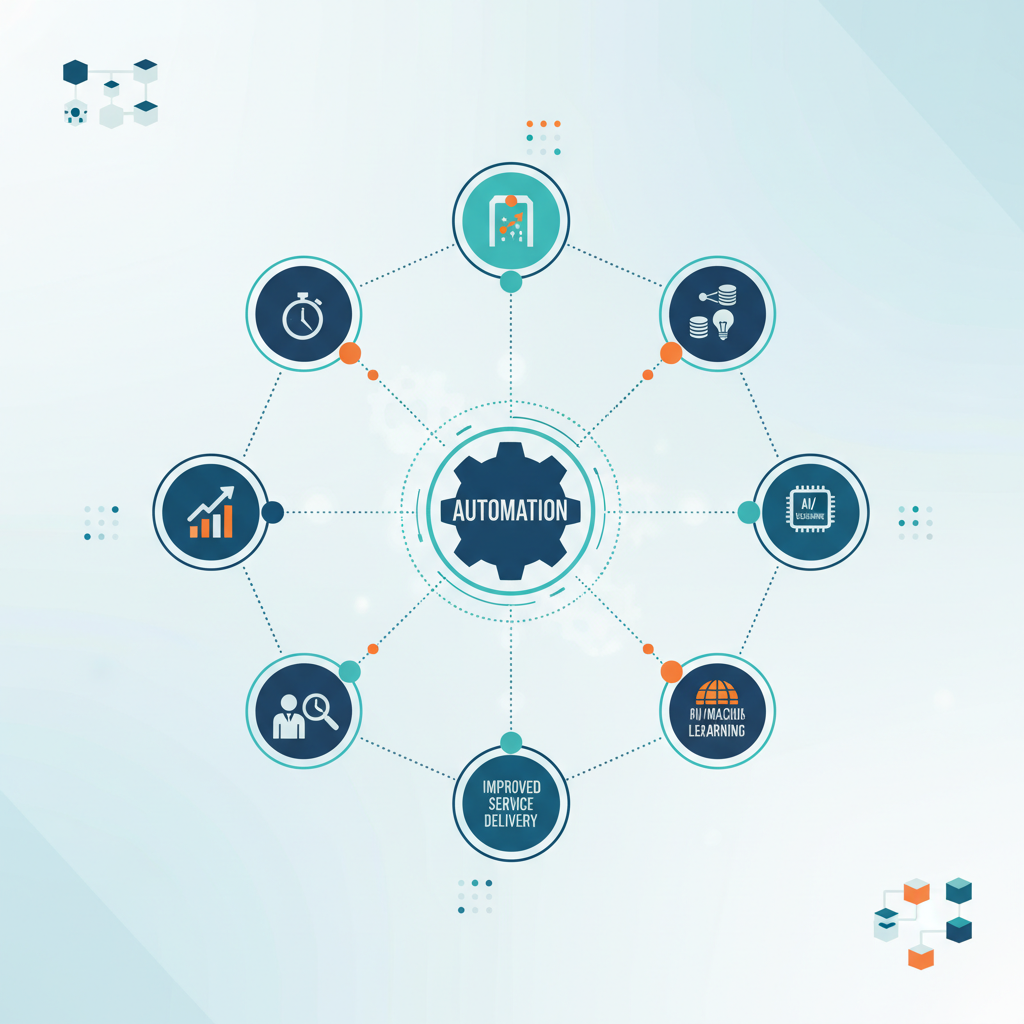
In today's fast-paced digital landscape, businesses are increasingly turning to robotic automation solutions to enhance efficiency and drive growth. According to a report by Gartner, the global robotic process automation (RPA) market is projected to reach $2.9 billion by 2024, reflecting a significant compound annual growth rate of over 30%. This upward trajectory underscores the critical role that automation technologies play in enabling organizations to streamline operations, reduce costs, and improve service delivery.

As highlighted by Dr. John Zink, a leading expert in the field of automation technologies, "Robotic automation solutions are not merely tools for cost-cutting; they are strategic enablers that empower businesses to reimagine workflows and unlock unprecedented levels of productivity." His insights echo a growing consensus among industry leaders that the adoption of robotic automation is crucial for staying competitive in an increasingly automated economy.

These innovations not only facilitate routine task management but also liberate human resources to focus on higher-value activities. With the advent of artificial intelligence and machine learning, the capabilities of robotic automation solutions are expanding beyond traditional applications, ushering in a new era of intelligent automation that promises to transform businesses across various sectors. As we explore the top ten robotic automation solutions currently making waves in the industry, it becomes clear that embracing these technologies is essential for organizations aiming to thrive in the modern marketplace.

Top 10 Robotic Automation Solutions Transforming Businesses Today

Overview of Robotic Automation in Modern Business

In today's rapidly evolving business landscape, robotic automation has emerged as a pivotal force driving efficiency and innovation. According to a report by McKinsey, nearly 60% of all occupations have at least 30% of activities that can be automated, reflecting vast potential for businesses to streamline operations. This technology not only reduces labor costs but also enhances precision and minimizes human error, allowing companies to focus on strategic tasks that require creativity and critical thinking.

From customer service bots to complex supply chain automation, businesses are leveraging robotic solutions to optimize performance across various sectors. For instance, a study from Deloitte revealed that organizations implementing robotic process automation (RPA) have experienced a remarkable 30% reduction in operational costs and a 50% improvement in process speed. As businesses adopt these automation technologies, they are not only improving their bottom lines but also redefining their workforce dynamics, shifting human roles towards higher-value tasks. This transformation illustrates the pressing need for companies to adapt and embrace robotic automation to remain competitive in today’s market.

Top Industries Benefiting from Robotic Automation Solutions

Top 10 Robotic Automation Solutions Transforming Businesses Today

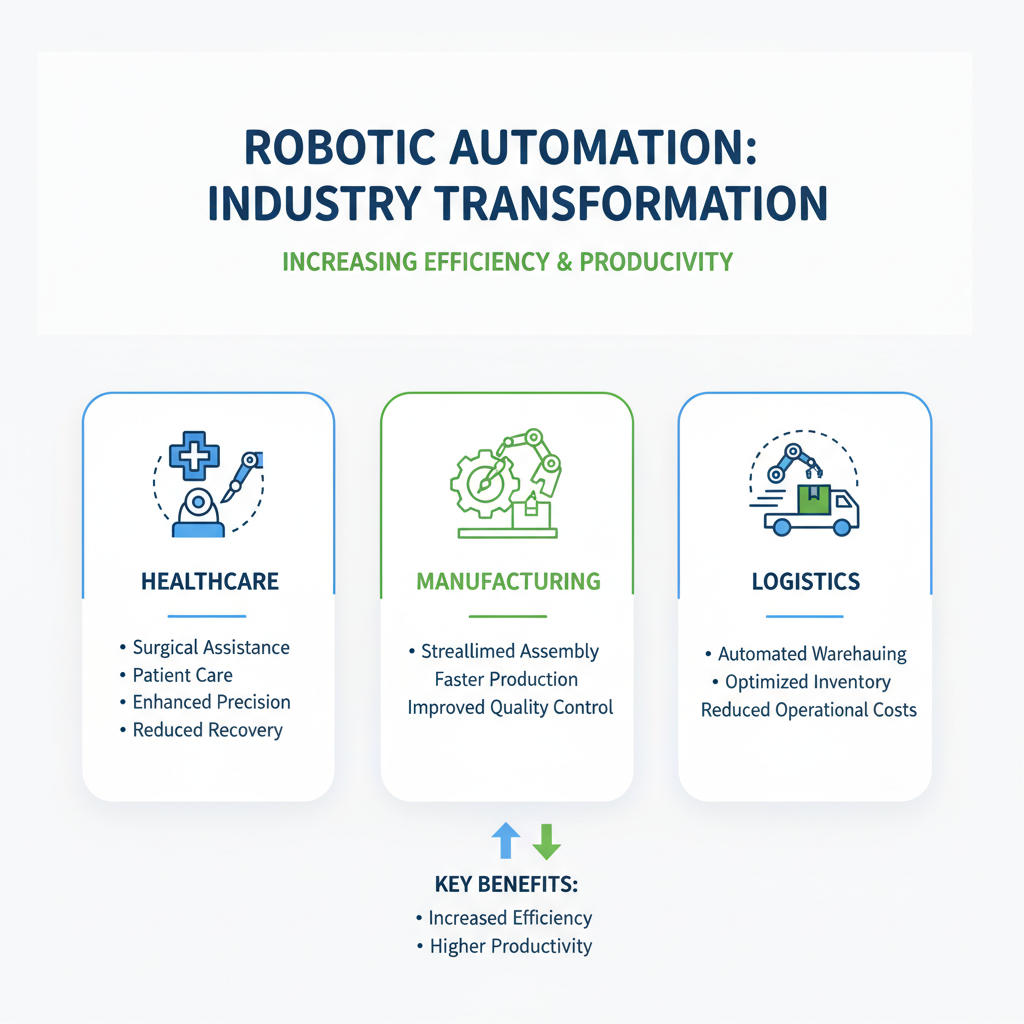
Robotic automation solutions are making significant strides across various industries, leading to increased efficiency and productivity. Sectors such as healthcare, manufacturing, and logistics are witnessing transformative changes due to the adoption of robotics. For instance, in healthcare, robots assist in surgeries and patient care, enhancing precision and reducing recovery times. In manufacturing, automation solutions streamline assembly lines, resulting in faster production rates and improved quality control. The logistics sector benefits from automated warehousing and delivery systems, which optimize inventory management and reduce operational costs.

Another notable aspect is the economic impact of robotics and automation. Various studies highlight that businesses are heavily investing in these technologies, anticipating substantial returns in terms of productivity and cost savings. As industries continue to expand their automation capabilities, the market for robotic services is projected to experience robust growth, with significant forecasts indicating a surge in spending on automation technologies. This trend not only reshapes operational landscapes but also influences workforce dynamics, necessitating a shift in skill sets to meet the evolving demands of a more automated environment.
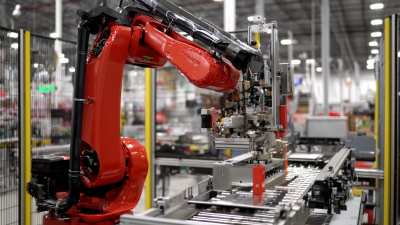

Key Features of Leading Robotic Automation Technologies

The landscape of robotic automation is rapidly transforming businesses across various industries, driven by advanced technologies that enhance efficiency and productivity. According to a projected analysis, the global artificial intelligence robots market is anticipated to grow significantly from $6.19 billion in 2025 to $32.26 billion in the following years, highlighting the increasing reliance on automation solutions. Key features of leading robotic automation technologies include cognitive intelligence and robotic process automation (RPA), which streamline repetitive tasks, allowing organizations to focus on higher-value activities.

Furthermore, the robotics market is expected to soar from USD 64.8 billion to USD 375.82 billion by 2035, with a compound annual growth rate (CAGR) of 17.33%. This growth is fundamentally driven by innovations in AI and next-generation robotic systems that enhance operational capability. Notably, collaborative robotics technology is emerging as a focal point of research, indicating a trend toward integrating human-robot interactions in various applications, which will likely shape the future of workplace automation. As businesses embrace these technologies, the implications for internal audit processes and overall operational efficiency are profound.

Top 10 Robotic Automation Solutions Transforming Businesses Today

Solution Name Key Features Industry Applications Deployment Options User Rating (out of 5)
Automation Solution A Artificial Intelligence Integration, Process Analytics, Multi-Platform Support Finance, Healthcare, Telecommunications Cloud, On-Premises 4.5
Automation Solution B Real-time Monitoring, AI-driven Decision Making, Customizable Workflow Manufacturing, Retail, Logistics Hybrid, SaaS 4.3
Automation Solution C Scalability, Secure API Integration, User-friendly Interface Insurance, E-commerce, Healthcare Cloud-based, On-Premises 4.7
Automation Solution D Compliance Tracking, Predictive Analytics, Easy Integration Financial Services, Government, Supply Chain Cloud, Hybrid 4.6
Automation Solution E End-to-End Automation, Remote Management, Performance Metrics Telecommunication, Retail, Marketing On-Premises, Cloud 4.2
Automation Solution F Data Extraction, Intelligent Document Processing, Analytics Dashboard Healthcare, Real Estate, Education Cloud, SaaS 4.4
Automation Solution G Omni-channel Support, Customer Engagement Tools, Advanced Tracking Retail, Services, Travel On-Premises, Hybrid 4.1
Automation Solution H Task Prioritization, Workflow Automation, System Integration IT Services, Finance, Insurance Cloud, On-Premises 4.5
Automation Solution I Robust Security, Cross-Department Integration, Reporting Tools Government, Non-profit, Telecommunications Cloud, Hybrid 4.0
Automation Solution J Cost Efficiency, Task Automation, User Support Banking, Education, Manufacturing On-Premises, Cloud 4.3

Case Studies of Successful Robotic Automation Implementations

Robotic automation is revolutionizing various industries by streamlining operations and enhancing efficiency. One noteworthy case study involves a major retail chain that implemented robotic process automation (RPA) in its inventory management system. The introduction of RPA reduced manual data entry errors by 90%, allowing staff to focus on customer service rather than tedious administrative tasks. As a result, the retail chain not only improved its operational efficiency but also boosted overall customer satisfaction.

When considering robotic automation for your business, it’s crucial to assess your specific needs and choose the right solution. Tip: Start with a pilot project to evaluate the effectiveness of automation technology in a controlled environment. This approach minimizes risks and provides valuable insights before full-scale implementation.

Another compelling example comes from the healthcare sector, where a hospital implemented robotic automation in patient scheduling and billing processes. This change led to a 40% reduction in appointment cancellations and a significant decrease in patient wait times. Tip: Ensure that team members are on board with the automation project; providing training can help ease the transition and maximize the benefits of new technologies. By learning from these successful implementations, businesses can make informed decisions and harness the transformative power of robotic automation.

Future Trends in Robotic Automation and Business Transformation

As we look toward the future of robotic automation, the global digital transformation market is set to explode, projected to grow from $2.226 trillion in 2024 to an astonishing $10.944 trillion by 2032, reflecting a compound annual growth rate (CAGR) of 22%. This surge is fueled by various technological trends, notably in sectors such as artificial intelligence and advanced robotics, which are positioned to reshape business landscapes significantly. In 2025, key trends will highlight the integration of AI agents, humanoid robots, and transformational shifts in energy and pharmaceutical sectors, driving innovation across industries.


Amidst this backdrop, China aims to invest approximately $1 trillion in the robotics and high-tech industries as part of its strategic initiatives. The National Development and Reform Commission's establishment of a government-guided fund will focus on supporting innovation in robotics and artificial intelligence. Moreover, automotive giants are increasingly entering the robotics space, driven by the necessity for deep integration of algorithms, hardware, and real-world applications. These shifts indicate that businesses will need to adapt swiftly to remain competitive, balancing the rapid pace of change with the safety of established processes.