Top Robotics Jobs Tips for a Successful Career Path?
Robotics jobs are rapidly evolving in today’s technology-driven world. As industries integrate automation and artificial intelligence, there are vast opportunities in this field. However, navigating these opportunities can be challenging. It requires a thoughtful approach to build a successful career.
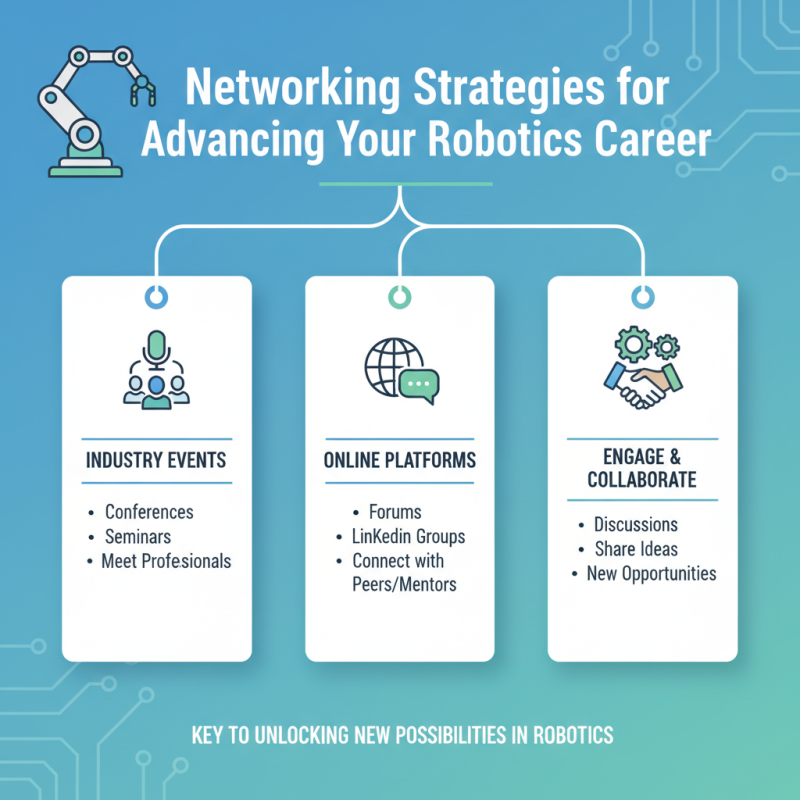
Understanding the skills needed is crucial. Many job seekers overlook the importance of hands-on experience in robotics. Practical knowledge can set candidates apart. Networking with professionals is equally important. It helps in gaining insights that might not be found in textbooks. The right connections can open doors to exciting roles.
Moreover, continuous learning is essential. The field of robotics is dynamic. Staying updated on the latest technologies is vital for career advancement. Professionals must also reflect on their strengths and weaknesses. This self-awareness will guide them in their job search and career growth. With determination and the right strategies, anyone can thrive in robotics jobs.

Essential Skills for Robotics Professionals in the Job Market
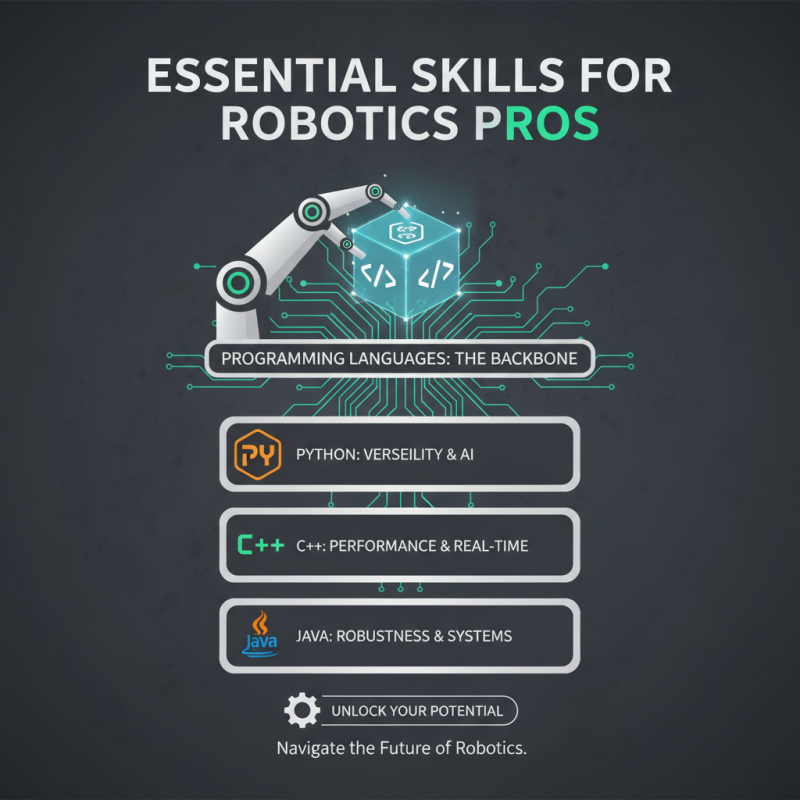
In the fast-evolving field of robotics, essential skills are crucial for professionals aiming to succeed. A strong foundation in programming languages is vital. Knowledge of Python, C++, or Java can set you apart. These languages form the backbone of most robotics systems. Without this core ability, navigating the intricate world of robotics can be daunting.
Hands-on experience is equally important. Engage in projects outside of formal education. Participate in competitions or collaborate with others. Building your own robots or contributing to open-source projects fosters creativity and problem-solving skills. Often, the theoretical knowledge learned in class doesn't translate directly to real-world applications. This gap can be a challenge, pushing you to rethink and innovate continuously.
Soft skills cannot be overlooked. Communication and teamwork are essential. Robotics is rarely a solo endeavor; collaboration is necessary. Presenting your ideas clearly can lead to unforeseen opportunities. Similarly, be ready to accept feedback and adapt. Embracing a growth mindset can significantly enhance your career trajectory in the robotics industry. Engaging with professionals can expand your network and provide insights into industry trends.
Understanding Different Career Paths in Robotics Industry
In the evolving robotics industry, career paths are diverse and dynamic. Many professionals find themselves drawn to areas like automation, artificial intelligence, and mechatronics. Each path offers unique challenges and rewards. Those in automation focus on optimizing processes and improving efficiency. Their work is critical in sectors like manufacturing and logistics.
AI specialists, on the other hand, delve into machine learning and robotics algorithms. This area is booming but requires continuous learning. Innovations happen fast, and staying updated is essential. Meanwhile, mechatronics engineers blend mechanical and electrical engineering. They create sophisticated systems, but often face complex design issues that demand creativity and critical thinking.
Exploring these career paths comes with hurdles. You might discover your ideal role isn’t as fulfilling as expected. Job satisfaction can sometimes lag behind initial excitement. It’s crucial to remain flexible and willing to pivot. Networking and seeking mentorship can provide valuable insights too. Embrace the journey, as reflection and adaptation are key to success in the robotics field.
Tips for Crafting an Impressive Robotics Resume and Portfolio
Crafting an impressive robotics resume and portfolio is crucial for your career. Start by highlighting relevant experiences. Focus on specific projects where you applied robotics concepts. Employers value practical work. Showcase any internships, research, or competitions. Detail your role and the skills you used.
Your portfolio should be organized and visually appealing. Include images, videos, or any interactive elements that demonstrate your work. Make it easy to navigate. Each project should feature a brief description, challenges faced, and solutions you implemented. This adds depth and shows your problem-solving abilities.
Reflect on your achievements and areas for improvement. It’s important to be honest about your skills. Perhaps you're great with programming but less experienced in design. Acknowledging these gaps will help you grow and can be appealing to employers looking for potential. Keep your passion for robotics evident throughout your materials.
Staying Updated with Trends and Technologies in Robotics Field
In the rapidly evolving robotics field, staying updated is essential. According to a report from the
International Federation of Robotics, the global robotics market is projected to grow
at a compound annual growth rate (CAGR) of 26.7% from 2021 to 2028. This growth means new
technologies and trends could emerge at any moment. Professionals in the field must commit to lifelong learning.
Attending industry conferences, workshops, and webinars can be highly beneficial. Networking with experts provides valuable
insights into advancements. Focusing on areas such as AI integration and automation trends
will enhance your skills. Data from McKinsey highlights that 70% of jobs will involve
some form of automation by 2030. This underscores the need to understand how robotics will interact with other technologies.
However, knowledge gaps still exist among many professionals. Regularly consuming reputable publications in the robotics field
is crucial. A study by PwC indicates that 38% of jobs could be automated by the early
2030s. This statistic should encourage continuous education. Relying solely on past knowledge can hinder career progression.
Embracing change and adapting to new tools will be key to success in this industry.