What Does a Robotics Technician Do and How to Become One?
The role of a robotics technician is increasingly vital in today’s technology-driven world. According to the Bureau of Labor Statistics, the robotics field is expected to grow by 10% over the next decade. This rise reflects the rapid advancement of automation across various industries. Leading experts like Dr. Alice Decker, a renowned robotics engineer, note, "Robotics technicians are the backbone of innovations in automation."
Robotics technicians design, build, and maintain robotic systems. Their work spans manufacturing, healthcare, and beyond. Each sector requires specific skills and knowledge. For instance, a technician in an automotive plant might focus on robotic arms for assembly. However, the path to becoming a skilled technician isn't straightforward. Some training programs lack hands-on experience, leaving gaps for newcomers.
As the field evolves, so do the challenges. Technicians must adapt to new technologies quickly. Continuous learning is not just beneficial; it’s essential. The growing demand for skilled workers highlights the need for better training programs. Reflecting on the industry, Dr. Decker emphasizes the importance of hands-on training, stating, "Without practical experience, potential technicians can struggle to meet the demands of this fast-paced field.
Roles and Responsibilities of a Robotics Technician
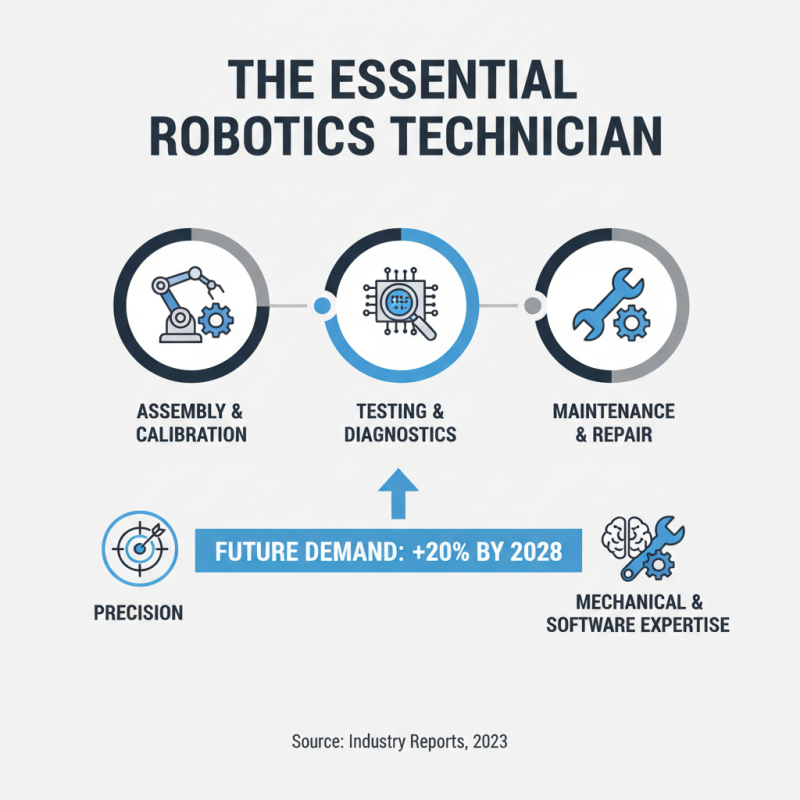
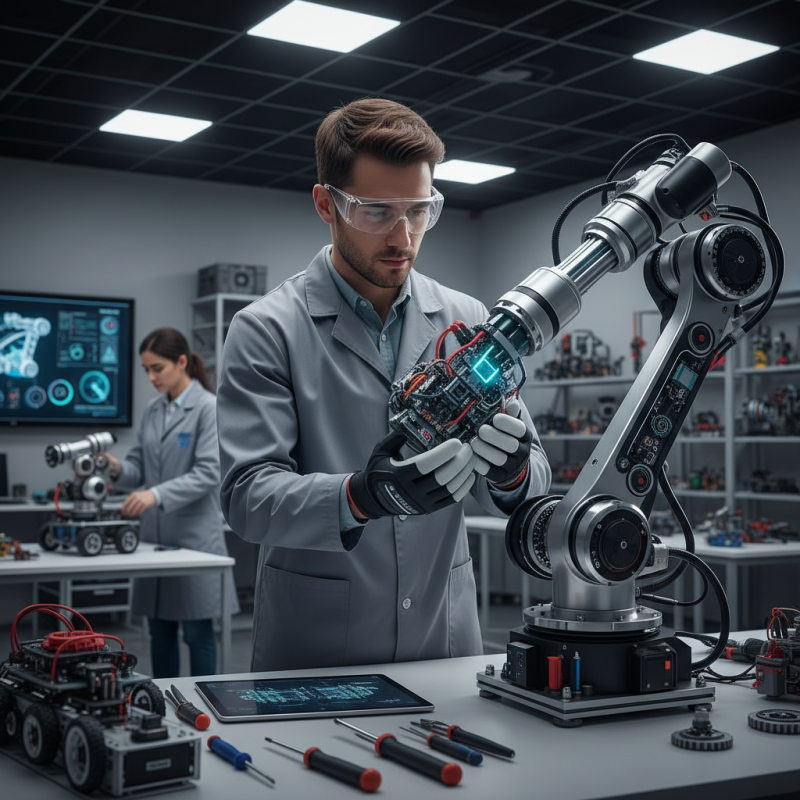
A robotics technician plays a crucial role in the development and maintenance of robotic systems. Their primary responsibilities include assembling robots, conducting tests, and troubleshooting mechanical and software issues. Precision is key in their work. Technicians must ensure each component functions correctly. According to industry reports, the demand for skilled robotics technicians will grow by 20% in the next five years, driven by advancements in automation and robotics across many sectors.
One important aspect of their role is continuous learning. Robotics technology evolves rapidly. Staying updated on new technologies is essential. Technicians often attend workshops and training sessions. They must adapt to emerging tools and software. This can be a challenge, as not every technician has access to such resources.
Tips for aspiring robotics technicians include gaining hands-on experience. Engaging in internships or personal projects can significantly improve skills. Networking within industry groups can also provide valuable insights and opportunities. Taking initiative to learn about different areas of robotics can broaden one’s expertise. Embrace the complexity of the field and reflect on areas for improvement.
Essential Skills Required for a Robotics Technician
A robotics technician plays a crucial role in the design and operation of robotic systems. Essential skills required for this position include technical knowledge, problem-solving abilities, and a solid understanding of mechanics and electronics. A strong foundation in mathematics and physics is also beneficial.
Communication skills are vital. Technicians often work as part of a team. They must convey complex ideas clearly. Attention to detail is key when troubleshooting equipment. A small oversight can lead to significant issues in performance.
**Tips:** Constantly update your knowledge. Technology evolves rapidly. Join workshops or online forums. Collaborate with peers to exchange insights. Don't shy away from practical challenges. Mistakes can be excellent learning opportunities. Embrace challenges to grow as a technician.
Essential Skills Required for a Robotics Technician
Educational Pathways to Become a Robotics Technician
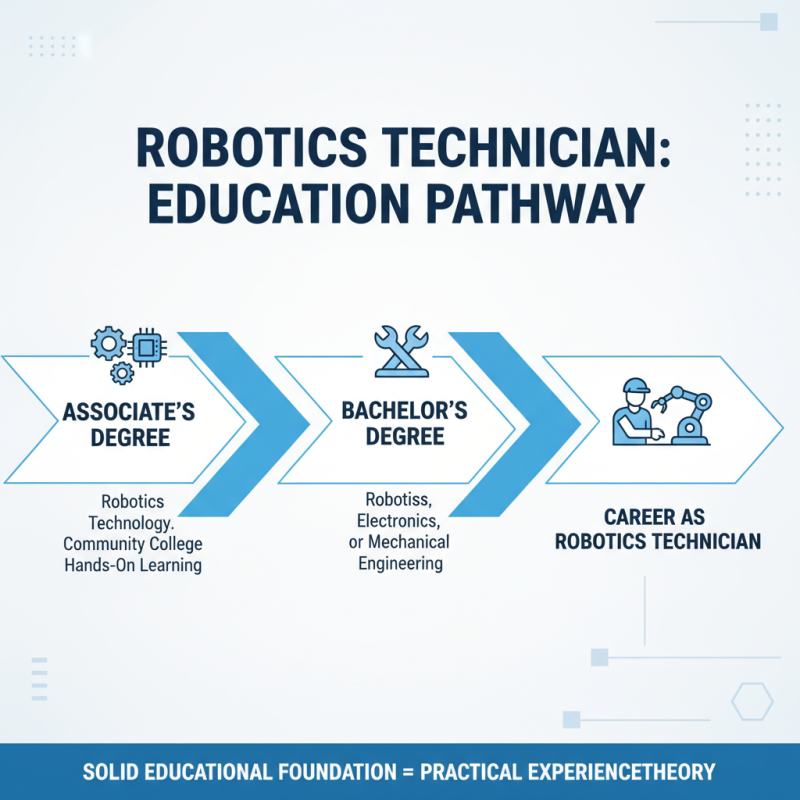
To become a robotics technician, a solid educational foundation is crucial. Most technicians hold a degree in robotics, electronics, or mechanical engineering. Many community colleges offer associate degrees in robotics technology. These programs focus on hands-on learning. Students gain valuable practical experience while studying theory.
Certifications in specific technologies can enhance a technician’s skills. Courses in programming, electronics, and automation are often included. Learning to troubleshoot systems is vital. A robotics technician might face challenges when unexpected issues arise. Real-world settings can be chaotic. This requires quick thinking and adaptability.
Internships provide a gateway to hands-on experience. Many students struggle to secure these positions. Networking can be intimidating but is necessary. Finding mentors in the field is important. They can offer guidance and potentially job leads. Continuous learning through workshops is also beneficial. Robotics is an ever-evolving field. Keep improving your skills even after formal education.
Certifications and Training Programs for Robotics Technicians
Becoming a robotics technician involves a mix of education, hands-on training, and certifications. Many technicians hold an associate degree or a technical diploma in robotics or a related field. Some also benefit from vocational training programs. These programs often cover essential topics, such as programming, electronics, and machine maintenance.
Certifications play a vital role in advancing a technician's career. Various organizations offer certifications in robotics. Obtaining these credentials can improve job prospects and provide recognition of expertise. It’s worth noting that experience is equally important. Many employers prefer candidates with a solid background in practical applications.
Tip: Consider enrolling in workshops or online courses. They can help you stay updated with the latest technologies. Networking with industry professionals can also open up opportunities.
Hands-on experience is critical. Internships during your studies can give you insights into real-world applications. Mistakes can happen, but they are learning opportunities. Reflecting on these experiences can guide your growth. Focus on building problem-solving skills and adaptability in this evolving field.
Career Prospects and Opportunities in Robotics Technology
In the field of robotics technology, career prospects are expanding rapidly. Industries are integrating automation to improve efficiency. Robotics technicians find roles in manufacturing, healthcare, and beyond. They work on assembling, troubleshooting, and maintaining robotic systems. This hands-on work is crucial for keeping operations running smoothly.
Opportunities in the robotics sector are diverse. Many organizations seek skilled technicians to support innovation. The demand for automation is evident in many sectors. However, some might struggle with the fast-paced technological changes. Continuous learning becomes necessary for success. Robotics technicians must adapt and evolve alongside these advancements. They also face challenges in troubleshooting complex systems. Each day presents new problems to solve, requiring critical thinking. Embracing these challenges is essential for personal growth and industry relevance.