Understand Robots in Digital World with Expert Tips for Beginners
In today's rapidly evolving digital landscape, understanding robots is essential for anyone interested in technology. As we define robot, we uncover a broad range of devices that are designed to perform tasks autonomously or semi-autonomously, often mimicking human actions. From industrial automation to personal assistants, robots are increasingly integrated into our everyday lives, transforming the way we work, communicate, and interact with our environment.
For beginners, navigating the world of robotics can seem daunting. However, by familiarizing yourself with fundamental concepts and gaining insights from experts in the field, you can build a solid foundation that will enhance your understanding of these fascinating machines. Exploring the various types of robots and their applications will empower you to appreciate their potential and the innovative technologies that drive their development. Whether you're an aspiring engineer or simply curious about robotics, this guide will provide valuable tips and resources to help you embark on your journey into the digital realm of robotics.

What Are Robots and Their Role in the Digital World?
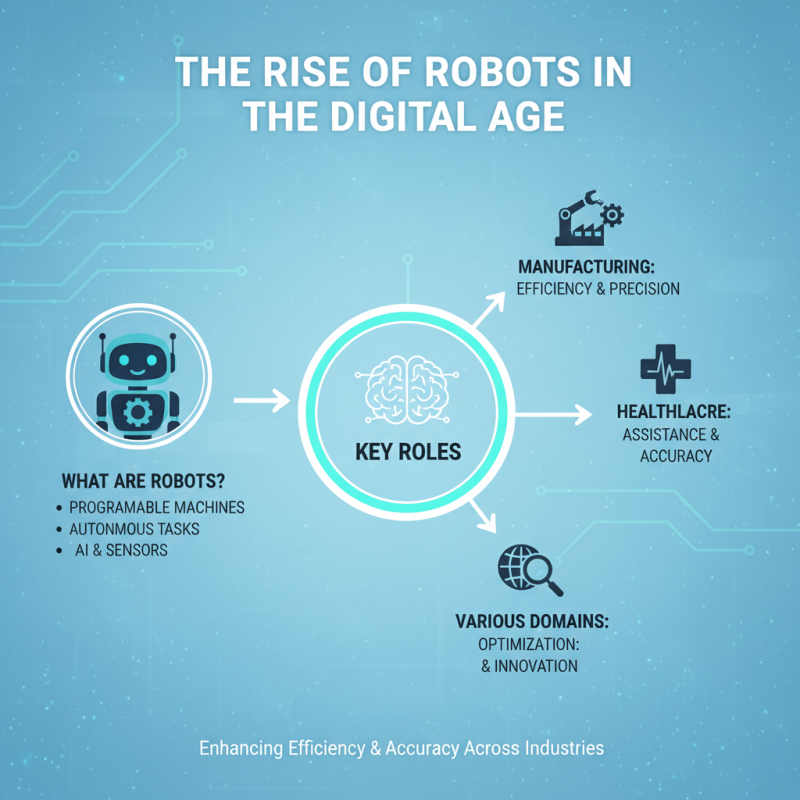
In today's digital landscape, robots play an increasingly vital role across various domains, from manufacturing to healthcare. Essentially, robots are programmable machines designed to perform tasks autonomously or with minimal human intervention. They are equipped with sensors and artificial intelligence to interact with their environment, making them invaluable in enhancing efficiency and accuracy in numerous processes.
For beginners keen on understanding robots, it's essential to familiarize yourself with their types and functionalities. One tip is to explore robotics kits designed for educational purposes. These kits often come with easy-to-understand instructions and are a hands-on way to grasp fundamental robotics concepts. Additionally, engaging with online tutorials can provide you with practical knowledge while allowing you to see how theory translates into practice.
Another important aspect to consider is the role of robots in data collection and analysis. They can assist in gathering large amounts of data quickly, which is essential for decision-making in various sectors. By leveraging robotic process automation, businesses can streamline operations and focus on strategic tasks. For those interested in pursuing a career in this field, staying updated on emerging technologies and developments in robotics will be crucial for success.
Basic Components of Robotics: Understanding Key Terms and Functions
Robotics is an exciting field that combines various disciplines, making it essential for beginners to grasp the basic components and key terms involved. At the heart of any robotic system are sensors, which are crucial for gathering information about the environment. These devices allow robots to perceive their surroundings, detect obstacles, and respond to changes. For example, cameras and ultrasonic sensors can help a robot navigate through a room by identifying walls and furniture, ensuring safe movement.
Another fundamental component is the actuator, which is responsible for enabling movement within the robot. Actuators convert electrical energy into physical motion and come in various forms, such as motors and servos. They play a critical role in tasks such as gripping objects, walking, or flying, depending on the type of robot being designed. Understanding the functions of these components lays the foundation for anyone eager to delve deeper into robotics, paving the way for more complex creations and innovations in the digital world.
Understand Robots in Digital World with Expert Tips for Beginners - Basic Components of Robotics: Understanding Key Terms and Functions
| Component |
Definition |
Function |
| Sensor |
A device that detects changes in the environment |
Collects data about surroundings to inform decisions |
| Actuator |
A component that produces motion |
Controls physical movements of the robot |
| Microcontroller |
A compact integrated circuit designed to govern a specific operation |
Processes the sensor data and controls actuators accordingly |
| Power Supply |
The source of energy needed for operation |
Provides electrical energy to components |
| Chassis |
The framework that supports the robot |
Holds all other components together and provides stability |
| Software |
Programs that control robot behavior |
Determines how the robot reacts to sensor inputs |
Beginner's Guide to Robot Types: Industrial, Service, and Personal Robots
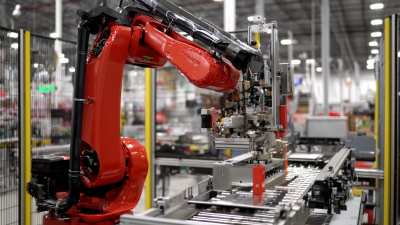
As we delve into the fascinating realm of robotics, it's essential to recognize the various types of robots that are making significant strides in the digital world. Industrial robots, service robots, and personal robots each have unique functions and applications. According to a report by the International Federation of Robotics (IFR), the global market for industrial robots is expected to reach $114 billion by 2025, reflecting the massive investment in automation across manufacturing sectors. These robots are primarily utilized for repetitive tasks such as welding, assembly, and painting, enhancing efficiency and precision in production lines.
Service robots, on the other hand, are designed to assist humans in a variety of contexts, from healthcare to hospitality. Research by the Consumer Technology Association indicates that the service robot segment is projected to grow at a compound annual growth rate (CAGR) of over 20% in the coming years. This growth is driven by advancements in artificial intelligence and machine learning, allowing service robots to interact more intuitively with users and perform complex tasks like surgical assistance or inventory management.
For beginners looking to understand this evolving field, here are a couple of tips: Firstly, familiarize yourself with the basic functions and capabilities of each robot type; this foundational knowledge will enhance your understanding of their applications. Secondly, keep abreast of the latest technological innovations and industry reports; subscribing to robotics journals or newsletters can provide insights into trends and emerging technologies, helping you navigate this dynamic landscape with confidence.
Essential Programming Concepts for Controlling Robots in Digital Environments
In the rapidly evolving field of robotics, understanding fundamental programming concepts is essential for effectively controlling robots in digital environments. According to the International Federation of Robotics (IFR), the global robotics market is projected to grow significantly, with unit sales of professional service robots expected to surpass 1 million units per year by 2023. This surge emphasizes the need for newcomers to grasp core programming skills that enable effective interaction with these machines.
Key programming concepts pivotal for beginners include understanding control flow structures, such as loops and conditionals, which dictate robot behavior based on environmental input. Additionally, familiarity with sensor integration and data processing is crucial, as robots rely heavily on real-time data to navigate and execute tasks. A report from the Robotics Business Review highlights that 75% of robotics professionals prioritize learning programming languages like Python and C++ due to their versatility in automating tasks and developing algorithms.
As digital environments become increasingly complex, these foundational skills will empower beginners to develop robust programs that enhance robot performance and adaptability in various applications.
Tips for Getting Started with Robotics: Resources and Learning Pathways
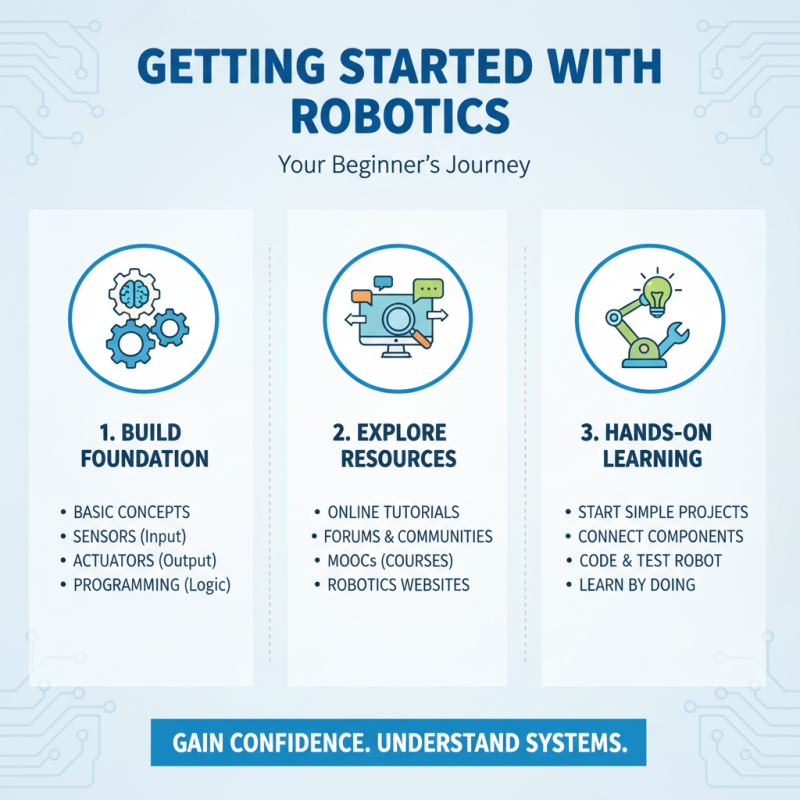
Getting started with robotics can be an exciting yet daunting journey for beginners. The first step is to familiarize yourself with the basic concepts of robotics, including sensors, actuators, and programming. Utilizing online platforms like tutorials, forums, and MOOCs can provide you with vital introductions and insights. Websites dedicated to robotics education often feature structured courses that cover everything from foundational principles to advanced topics. By engaging with these resources, beginners can gain confidence and a better understanding of how various components work together within robotic systems.
As learners progress, it's essential to explore hands-on projects that allow for practical application of theoretical knowledge. Building simple robots using kits or even salvaging components from household electronics can nurture creativity and problem-solving skills. Joining online communities or local robotics clubs can offer valuable support, fostering collaboration and the exchange of ideas. Don’t hesitate to share your own experiences and seek help from others, as the robotics community is often very welcoming. By interlinking your learning pathways with project-based experiences and community engagement, you'll be well on your way to mastering the fundamentals of robotics.