How to Start Mold Making for Your Business Success?
Mold Making is an essential process in industries like automotive, aerospace, and consumer goods. According to a report by the American Mold Builders Association, about 80% of manufacturers rely on molds for production. This highlights the critical role of mold making in achieving business success.
Mack Smith, an industry expert with over 20 years of experience, states, "Investing in quality mold making is investing in your production future." His insight reflects the necessity of understanding the mold making process thoroughly. A solid foundation in mold making can lead to higher efficiency and reduced production costs.
However, aspiring entrepreneurs must recognize that mold making isn't without challenges. Many come in with unrealistic expectations. They often underestimate the time and materials required for quality production. Reflecting on past failures can guide better decision-making in this competitive field. Exploring the intricacies of mold making is not just beneficial; it's essential for sustainable business growth.
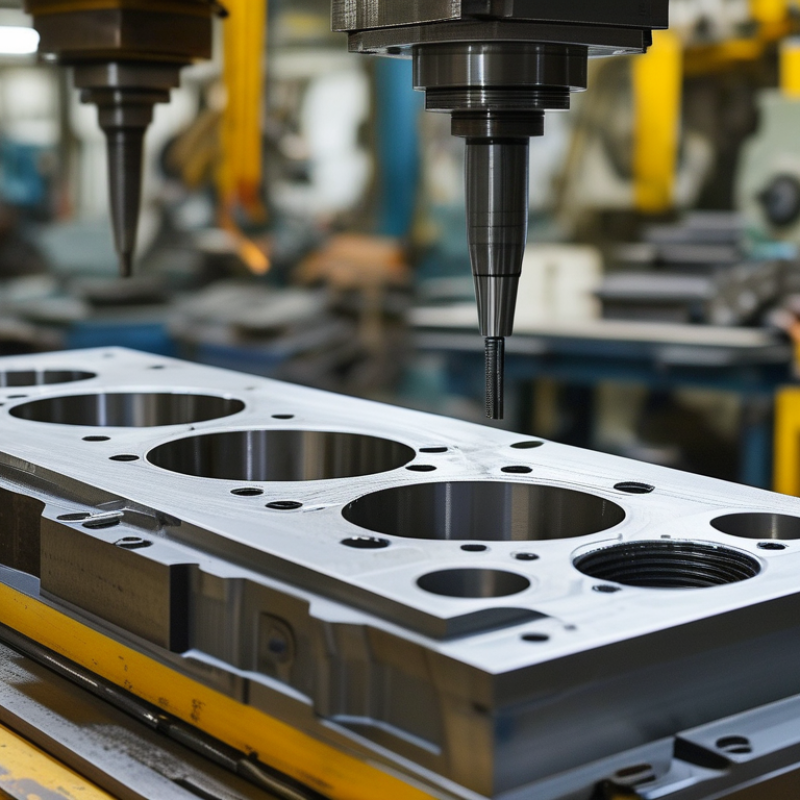
Understanding the Basics of Mold Making for Business Applications
Mold making plays a crucial role in various industries. Understanding the fundamentals can enhance your business operations. The process begins with design. You need to create a detailed blueprint. This blueprint will guide your mold's dimensions and shape. Accurate designs prevent costly mistakes during production.
Selecting materials is another fundamental step. Different types of plastics and metals serve specific purposes. Consider durability, flexibility, and cost. Not every material fits every need. It may take several iterations to determine the best option for your project. Experimentation is key to effective mold making.
A learning mindset is essential. Challenge your assumptions about mold making. Mistakes often lead to better solutions. Each project provides invaluable feedback. Reflect on what worked and what didn’t. Continuous improvement can set you apart in the competitive market.
Identifying Suitable Materials for Effective Mold Production
When starting a mold-making business, selecting the right materials is crucial. The effectiveness of your molds relies heavily on the materials you choose. Common options include silicone, polyurethane, and thermoplastics. Each material has unique properties that affect durability and detail. Silicone is flexible and captures fine details well, making it ideal for intricate designs. However, it can be more expensive than other options.
Polyurethane is another popular choice. It offers a balance between cost and performance. It is sturdy and suitable for producing multiple copies. However, finding the right mix can pose challenges. Experimenting with different formulations is often necessary. It may take several attempts before achieving the desired result.
Thermoplastics are also worth considering. They provide excellent durability but can require special equipment. The initial investment may seem high, yet the long-term benefits can outweigh the costs. Balancing these factors can feel overwhelming. Reflecting on your needs will guide you toward the best decisions. Be prepared for trial and error throughout the process.
Essential Tools and Equipment for Starting Your Mold Making Process
Starting a mold-making business requires the right set of tools and equipment to ensure quality results. Essential items include precision cutting tools, 3D printers, and silicone rubber for mold creation. According to a report by Market Research Future, the global mold market is projected to grow at a CAGR of 5.2%, indicating a need for high-quality molds in various industries.
Investing in essential equipment is a crucial step. A CNC machine can provide accuracy in mold production. Additionally, pressure pots help reduce bubbles in silicone molds, enhancing the final product’s quality. Make sure to consider safety equipment, such as gloves and goggles, to protect yourself during the process.
Tips: Regular maintenance of your tools is vital. Dull blades can affect mold quality. Therefore, keep tools sharp and in good condition. Reflect on your workflow periodically. Are there steps that can be streamlined? Evaluate your setup to ensure efficiency. Lastly, understand that every mold-making project may present challenges. Being adaptable will help you succeed.
Step-by-Step Guide to Designing Your First Mold
Creating your first mold can be a game-changer for your business. Start by defining your product requirements clearly. Research shows that nearly 70% of startups fail due to inadequate market research. Use that data to inform your design choices. Begin sketching your mold concept. Simplicity is key. Complex designs often lead to unexpected challenges.
Select the appropriate materials for your mold. Consider factors like durability and cost. According to industry reports, over 40% of companies report higher production efficiency with the right materials. Once the design is drafted, use 3D modeling software. This tool enhances precision and allows for modifications before physical production. You might realize your initial idea can be improved upon. Iterate. Feedback from peers can uncover weaknesses in your design.
When it's time to produce, choose a reliable manufacturer. Not all manufacturers are equal. Poor quality molds can lead to defects, impacting your bottom line. Engaging with industry experts can give you insights about reputable providers. Monitor your first production run closely. Mistakes will happen, but they are part of the learning process. Adjust and refine your approach based on these experiences to continually improve your mold-making skills.
How to Start Mold Making for Your Business Success? - Step-by-Step Guide to Designing Your First Mold
| Step | Description | Materials Needed | Estimated Time |
| 1 | Research and Planning | Market Analysis, Competitor Review | 1-2 Weeks |
| 2 | Design Your Mold | CAD Software, Sketching Tools | 2-3 Weeks |
| 3 | Select Material | Silicone, Plastic, Metal | 1 Week |
| 4 | Prototype Development | 3D Printer, Milling Machines | 2-4 Weeks |
| 5 | Testing and Iteration | Test Products, Feedback Sessions | 1-2 Weeks |
| 6 | Final Production | Molding Machines, Assembly Line | Variable |
Common Challenges in Mold Making and How to Overcome Them
Mold making can significantly impact your business success. However, it comes with its set of challenges. According to industry research, over 40% of mold makers face issues related to material selection. Choosing the right materials is crucial for ensuring durability and efficiency. Inadequate material knowledge can lead to defects in the final product.
Time management also poses a significant hurdle. Many mold makers report delays due to improper scheduling and unforeseen complications. A recent study found that around 30% of mold projects exceed their original timelines. Implementing effective project management tools can help in monitoring progress and addressing issues promptly.
Tips: Invest time in understanding materials. Attend workshops and consult with experts. Review project timelines regularly to identify potential bottlenecks. This proactive approach can save costs and improve quality. Additionally, document every stage of the process. Mistakes often reveal areas for improvement. Embracing these challenges will enhance your mold making strategies and overall success.
Common Challenges in Mold Making and Their Impact on Success