Top Soil Brick Making Machines for Efficient Construction?
The demand for sustainable construction methods is rising. One innovative approach involves the use of the Soil Brick Making Machine. This technology offers an efficient way to produce sturdy bricks from local soil, minimizing waste and costs. As leading expert Dr. Marla Jenkins states, “The Soil Brick Making Machine transforms ordinary soil into a viable construction material.”
Building with soil bricks is not just eco-friendly; it's also practical. The Soil Brick Making Machine can produce high quantities of bricks in a short time, addressing urgent construction needs. It reduces reliance on traditional materials, which often come with a heavy carbon footprint. While many embrace this technology, there are challenges. Fluctuations in soil quality can affect the final product. Adjustments in technique are often needed to ensure quality.
The journey towards sustainable construction does not end with machines alone. Ongoing training and education in proper use are essential. As these machines become more popular, understanding their limitations is crucial for success. Embracing this technology requires commitment and continuous learning.
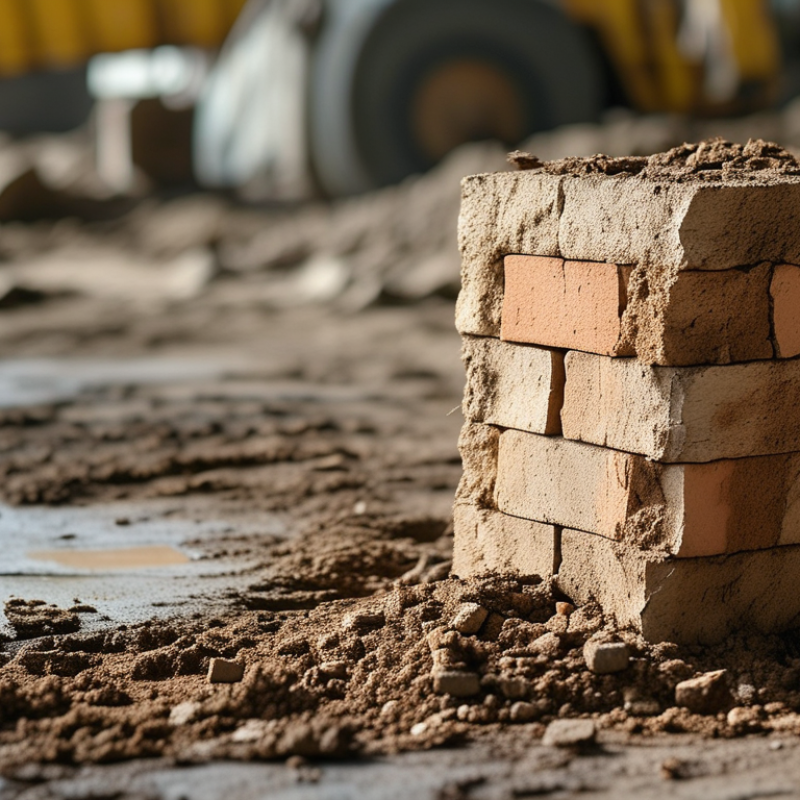
Types of Top Soil Brick Making Machines for Construction
When it comes to top soil brick making machines, understanding the types available can greatly impact construction efficiency. These machines are categorized mainly into manual, semi-automatic, and fully automatic systems. Manual machines, while cost-effective, require significant labor input. In contrast, semi-automatic machines combine human operation with mechanization, providing a balance between efficiency and control. Fully automatic machines provide the highest output with minimal human intervention, suitable for large-scale projects.
According to a recent industry report, about 70% of construction firms prefer using semi-automatic machines due to their versatility. With production rates ranging from 1,000 to 5,000 bricks per day, these machines offer a practical solution for many contractors. However, the initial investment can be substantial, leading some companies to reconsider their choices. It is crucial to evaluate your specific construction needs and budget before making a decision.
Tips: Always consider maintenance costs. A cheaper machine may incur higher upkeep expenses. Look for equipment with accessible parts. Additionally, training staff on machine operation can optimize overall productivity. Investing in the right type of machine not only improves output but also ensures better quality of construction materials.
Key Features to Look for in Soil Brick Making Machines
When choosing soil brick making machines, several key features are essential for efficient construction. A robust machine should have a reliable compression system. This ensures that bricks are uniformly pressed, resulting in consistent quality. The machine's construction material matters too. Durable materials extend the machine's lifespan and enhance performance.
Consider the machine's capacity. A higher output is beneficial for large projects but may not be practical for small-scale operations. Adjustability for different brick sizes is another important feature. This flexibility allows users to create bricks suited for various construction needs. Furthermore, ease of operation and maintenance can significantly affect productivity. Operators should feel comfortable using the machine regularly.
Pay attention to the machine’s energy efficiency. Features that reduce power consumption will lead to savings over time. However, it's crucial to remember that the most expensive machine is not always the best. Performance should be evaluated in real-world settings. Observing how it functions under different conditions can reveal strengths and weaknesses. Making an informed choice requires careful consideration of all these factors.
Benefits of Using Top Soil Bricks in Construction Projects
Using top soil bricks in construction projects offers numerous benefits that drive efficiency and sustainability. These bricks, made from locally sourced soil, exhibit remarkable durability and strength. According to a report by the International Society of Soil Mechanics, soil bricks can withstand compressive forces up to 2.5 MPa, making them suitable for load-bearing structures. This property greatly reduces the need for additional reinforcing materials, contributing to cost savings.
Besides their strength, top soil bricks also possess excellent thermal insulation properties. Research indicates that building with these bricks can lead to energy savings of up to 30%. They help maintain comfortable indoor temperatures, reducing the reliance on heating and cooling systems.
Tips: When using top soil bricks, ensure proper moisture content in the soil for optimal binding. Consider the local climate to select the best soil mix. Also, be mindful of potential cracking; adequate curing time is crucial for durability.
Adopting these bricks can promote sustainable building practices. However, sourcing quality top soil may be challenging in some regions. Engaging local suppliers and testing soil composition is vital for achieving desired performance. The community can benefit from this approach, but challenges in consistency and availability may arise.
Efficiency and Cost-effectiveness of Soil Brick Production
Soil brick production has gained attention for its efficiency and cost-effectiveness in construction. According to a report by the International Journal of Energy and Sustainable Development, using soil bricks can reduce construction costs by up to 30%. This method aligns with sustainable practices, minimizing waste and utilizing local materials.
The machinery designed for soil brick making has advanced significantly. Modern machines can produce up to 2,000 bricks daily, significantly enhancing productivity. The efficiency of these machines not only speeds up the building process but also ensures consistent quality. Maintenance is an important consideration. Regular inspections can prevent costly downtime.
However, one must acknowledge the challenges. Soil quality varies significantly by region, affecting brick strength. Not all soil types are suitable for brick production, which could lead to inconsistent results. Training operators on machine use is vital but often overlooked. Investing in workforce education can mitigate these risks and enhance overall production quality.
Maintenance Tips for Long-lasting Soil Brick Making Machinery
Proper maintenance of soil brick making machines is crucial for efficiency. Regular checks on key components ensure optimal performance. Lubricating moving parts reduces wear and tear, prolonging the machine's lifespan. Dust accumulation can hinder functionality, so clean the machinery frequently. This simple step can greatly prevent costly breakdowns.
Moreover, operator training plays a significant role in the machine’s upkeep. Knowledgeable operators can notice early signs of problems. They can respond proactively rather than waiting for issues to escalate. It's also important to keep an inventory of spare parts. This way, replacements can be made promptly without downtime.
Lastly, even the best machines face challenges. Parts might wear out, leading to decreased performance. Regular inspections can catch these issues before they become serious. Developing a consistent maintenance schedule helps ensure the machine functions efficiently over time. By emphasizing upkeep, you can enhance productivity and save costs in the long run.