Top 10 Tips for Choosing the Best Interlock Machine?
Choosing the right interlock machine is a pivotal decision for manufacturers aiming to enhance production efficiency. According to a report by Market Research Future, the global interlock machine market is projected to grow at a CAGR of 5.4% from 2022 to 2027. This growth highlights the increasing demand for high-quality, durable products. Selecting the best interlock machine can directly impact the quality of your finished goods.
Understanding your specific needs is crucial. Not all interlock machines offer the same features or capabilities. For instance, some machines are designed for lightweight fabrics, while others excel with heavier materials. This specificity requires careful consideration to avoid costly mistakes. Furthermore, the machine's maintenance requirements should not be overlooked. Regular upkeep ensures efficiency and longevity, as failing to maintain equipment can lead to performance issues.
Investing in an interlock machine is not just about the upfront cost. It involves evaluating the machine's lifespan, warranty options, and available support. Securing expert advice can be beneficial. Industry professionals can guide you through the intricacies of machine selection. However, not all advice is equal; prioritize insights from reputable sources. Ultimately, the right choice can position your operation for immediate success and long-term growth.
Understanding Interlock Machines: Types and Their Applications
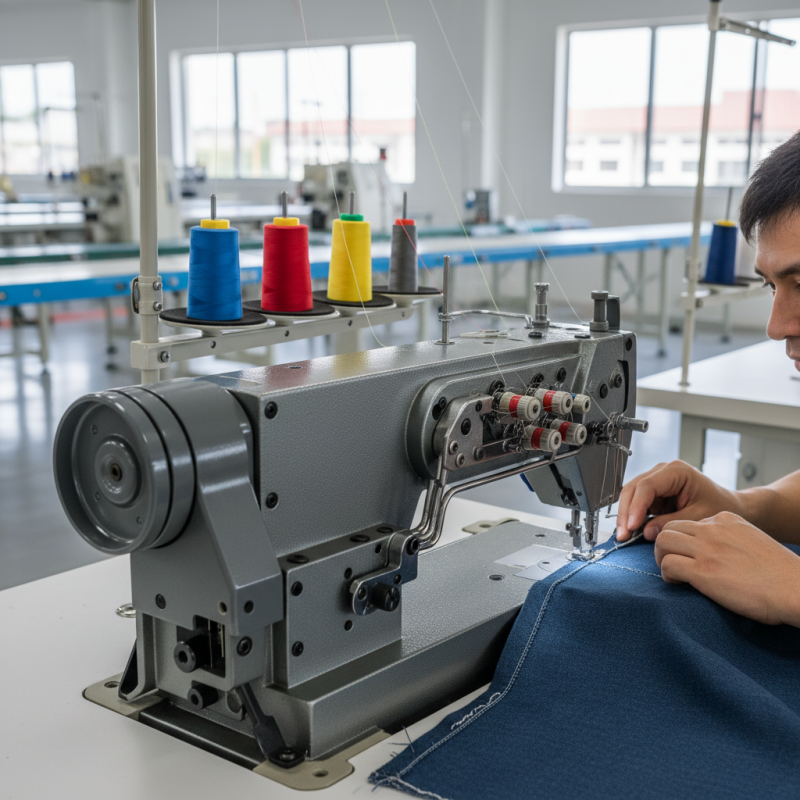
Interlock machines are essential in various industries, offering unique functionalities. They create seams that are flat, strong, and durable, suitable for knit fabrics. The most common types include overlock machines and coverstitch machines. Overlock machines trim the fabric edges while sewing them, creating neat finishes. Coverstitch machines are often used for hemming, offering a professional look that stands out.
When considering the best interlock machine for your needs, think about the type of projects you'll pursue. Different machines excel in distinct areas. An overlock machine may be beneficial for sewing knit garments, while a coverstitch machine is better for finishing hems. It's crucial to understand the capabilities of each type. Not all machines handle the same fabric thickness or types well. You may find certain machines struggle with heavier materials.
Evaluate your specific applications and flexibility. Your choice should reflect not just technical specifications but also user experience. User reviews often highlight functionalities that technical sheets overlook. Reflecting on your needs can clarify what you seek. This process can lead to a more informed purchase, even if it seems daunting. Choosing wisely means recognizing that perfection is hard to achieve. Each project may require testing different settings and adjustments.
Key Specifications to Consider When Selecting an Interlock Machine
When selecting an interlock machine, it's crucial to consider key specifications. First, look into the machine's stitching capabilities. Different models will offer various stitch types and patterns. A machine with a wider range will allow for more creative uses. Ensure it can handle multiple layers of fabric, especially if you plan to work with thick materials.
Next, evaluate the machine's speed and efficiency. Some machines can stitch at impressive rates, which is beneficial for large projects. However, speed should not compromise stitch quality. It's essential to find a balance between the two. Pay attention to features like adjustable speed control, which can offer more precision when needed.
Other important specifications include the machine's portability and ease of use. A lightweight model can be advantageous if you need to move your equipment frequently. Additionally, user-friendly interfaces are vital for reducing the learning curve. Some machines might have intricate settings that can be overwhelming. Therefore, practicality and design play significant roles in your decision-making process. Examine user reviews for insights on reliability and long-term performance too.
Evaluating the Cost-Effectiveness of Different Interlock Machines
When evaluating the cost-effectiveness of interlock machines, it's crucial to analyze your specific needs. The price of these machines can vary widely. A lower price might seem attractive, but it could compromise durability and efficiency. Investing in a reliable interlock machine pays off in the long run with better performance.
Consider the operational costs as well. Some machines consume more energy or require frequent maintenance. This adds to the overall cost over time. It’s essential to review customer feedback and expert opinions on different models. They offer insights that help you understand the real long-term expenses versus initial cost.
Don't overlook the importance of features relevant to your operation. Machines with advanced capabilities may have a higher upfront cost but can save money on labor and increase productivity. Assessing the benefits of these features against their costs can help you make an informed choice. Sometimes, a higher investment means lesser complications later.
Top 10 Tips for Choosing the Best Interlock Machine
| Machine Type | Cost (USD) | Features | Efficiency (pieces/hour) | Warranty Period (years) |
| Standard Interlock Machine | $1,500 | Basic stitching, manual operation | 200 | 1 |
| Automatic Interlock Machine | $3,000 | Automatic stitching, digital control | 400 | 2 |
| Heavy-Duty Interlock Machine | $2,800 | Robust construction, suitable for thick fabrics | 300 | 2 |
| Overlock Interlock Machine | $2,200 | Overlocking and interlocking functions | 250 | 1.5 |
| Computerized Interlock Machine | $4,500 | Programmable patterns, user-friendly interface | 500 | 3 |
| Portable Interlock Machine | $1,200 | Lightweight, easy to transport | 150 | 1 |
| Eco-Friendly Interlock Machine | $2,500 | Energy efficient, sustainable materials | 350 | 2 |
| Multi-Function Interlock Machine | $3,600 | Multiple stitching options, high versatility | 450 | 3 |
| High-Speed Interlock Machine | $3,200 | Designed for high-throughput operations | 600 | 2 |
| Budget Interlock Machine | $900 | Basic options, suitable for beginners | 100 | 1 |
Assessing Manufacturer Reputation and Customer Reviews for Interlock Machines
When selecting an interlock machine, manufacturer reputation matters significantly. Data shows that around 70% of buyers rely on reviews before making a purchase. A positive reputation often correlates with high-quality products and customer satisfaction. In the textile industry, companies with a strong track record have been found to have fewer product failures, which translates to increased productivity. Be cautious of new manufacturers that lack a proven history.
Customer reviews provide valuable insights too. Look for feedback about performance and reliability. Reports indicate that machines with a rating above 4 stars often have a lower rate of maintenance issues. Yet, not all reviews are entirely trustworthy. Some could be biased or from users with limited experience. It's important to analyze a range of reviews to get a balanced perspective.
Engaging with user forums can also help understand real-world experiences. Users often share detailed accounts of their success and frustrations. These narratives highlight potential pitfalls that may not be evident from standard reviews. Consider these shared insights when evaluating your options to ensure you choose wisely.
Maintenance and Support: Ensuring Longevity of Your Interlock Machine
When selecting an interlock machine, it's crucial to consider maintenance and support services. Regular maintenance is essential for the machine's longevity. A well-maintained interlock machine can operate efficiently for years. Users should prioritize models that have clear guidelines for upkeep. This can help prevent breakdowns that could disrupt production.
Training is another key aspect. Many manufacturers offer training sessions for proper usage and maintenance. Proper training ensures operators understand how to keep the machine running smoothly. It's important to remember that neglecting basic maintenance can lead to costly repairs.
Support services should be readily accessible. Quick response times can minimize downtime during repairs. It’s ideal for your chosen provider to offer 24/7 assistance. However, some users find response times lacking. Relying solely on manufacturer support might not suffice. Think about having third-party technicians as a backup. This diversity can enhance the overall reliability of your operations.
Top 10 Tips for Choosing the Best Interlock Machine
This chart represents the top 10 considerations when choosing the best interlock machine, with their corresponding importance level rated from 1 to 10. Understanding these factors can guide potential buyers in making informed decisions for long-term use.