What Is an Automation Machine?

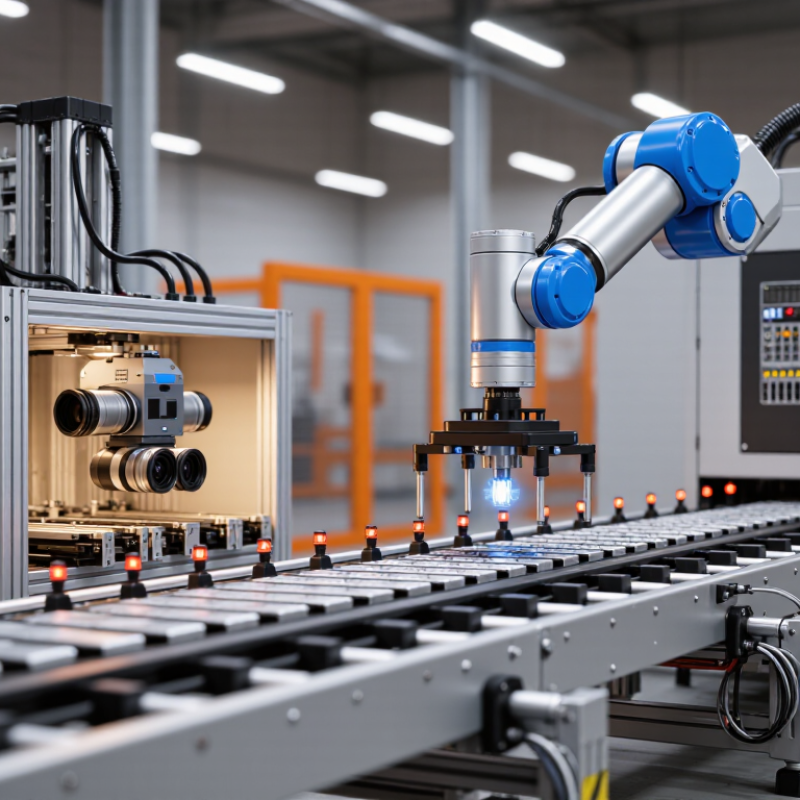
An automation machine is equipment designed to perform a defined task with limited, repeatable human intervention. In a factory, it might feed metal blanks into a press, inspect each part with a camera, and place accepted pieces on a conveyor. At its simplest, the system combines a mechanical process with controls, sensors, and actuators. A programmable controller coordinates movement, while sensors detect position, temperature, or product faults.

Manufacturing scholar Mikell P. Groover writes, “Automation is the technology by which a process or procedure is performed without human assistance.” This definition is useful, but it needs context. A machine can repeat a cycle accurately, yet still depend on people for setup, maintenance, and judgment. That matters. Automation ranges from a single sensor-controlled station to a connected production line that tracks work between machines. Its value is not simply speed. It can improve consistency, reduce repetitive handling, and reveal process problems through recorded measurements.

A useful explanation should also ask what the machine cannot do well. A camera may miss a reflective scratch; a gripper may slip when material thickness changes. Not magic. Good design starts with the task, product variation, safety needs, and consequences of failure. This article explains the main components of an automation machine, how sensing and control work together, and where these systems are used. It also considers selection, integration, and maintenance, because purchase price alone rarely shows the full cost. Automation can make production steadier, but it does not remove the need for skilled people or careful decisions. Some tasks are still better handled manually. That is worth admitting.
What Is an Automation Machine?

Definition and Core Principles of an Automation Machine

An automation machine is a system that performs a task with limited ongoing human input. It combines mechanical parts, sensors, control logic, and actuators. A packaging line, for example, may detect a carton, position it, and seal it at a steady pace. The machine follows defined instructions; it does not understand goals like a person.

Its core principle is a repeatable cycle: sense, decide, act, and check.

A sensor measures position or temperature. A controller compares that reading with a target, then signals a motor, valve, or gripper. Feedback helps correct small errors before they grow. Reliable design also considers guarding, emergency stops, maintenance access, and what happens when a sensor gives no reading. Not every process should be fully automated.

Tips: Start with one measurable task, such as placing a part in a marked fixture. Record cycle time, missed detections, and stoppages under normal conditions. Keep a manual recovery method available. Real equipment is messier than a clean diagram; dust, vibration, or changing part sizes can expose assumptions that seemed fine during planning.

How an Automation Machine Senses, Processes, and Acts

What Is an Automation Machine?

How an Automation Machine Senses, Processes, and Acts

An automation machine links sensing, decision-making, and movement. A photoelectric sensor can detect a carton crossing a conveyor. An encoder measures belt position, while a pressure sensor checks a pneumatic line. These signals reach a controller, which compares them with programmed limits. If a carton is misaligned, the controller may stop the belt and trigger a pneumatic arm. The arm moves; the sensor checks the result. Sensors can drift.

The International Federation of Robotics reported 4,281,585 industrial robots operating worldwide in 2023, in its World Robotics 2024 report. That figure shows the scale of industrial automation, but it does not describe every type of automated machine. Nor does a high-speed system guarantee accurate work. Dust can cloud a sensor lens, and vibration can loosen a mounting bracket. A poorly chosen threshold may also reject good products. That sounds tidy; real production lines are messier.

Tips: Keep sensor lenses clean and brackets secure. Test the machine with real parts, including misaligned ones. Record false stops and missed detections, then adjust one setting at a time. Check again after maintenance.

Key Components and Common Types of Automation Machines

Automation machines combine sensors, control systems, actuators, and tools to perform repeatable work with limited manual input. A sensor might detect a metal part on a moving belt; the controller then signals a motor or pneumatic cylinder to position it. Safety devices, such as interlocks and emergency stops, help protect workers and equipment.

Small details matter. A poorly placed sensor can cause missed parts, even when the main machine is well designed.

Common types include fixed, programmable, and flexible automation. Fixed systems handle high-volume tasks with little variation, such as filling identical containers. Programmable machines can switch between production batches after their instructions and tooling are changed. Flexible systems adapt more quickly, often using robotic arms, machine vision, or modular fixtures.

The International Federation of Robotics reported 541,302 industrial robot installations worldwide in 2023, in its World Robotics 2024 report. That figure shows the scale of industrial automation, though robots are only one category of automation machine.

In practice, these categories blur. A flexible cell may still need careful retooling, and “automatic” does not mean maintenance-free. Operators should assess cycle time, product variation, safety needs, and service access before choosing a system.

Where Automation Machines Are Used

What Is an Automation Machine?
Where Automation Machines Are Used

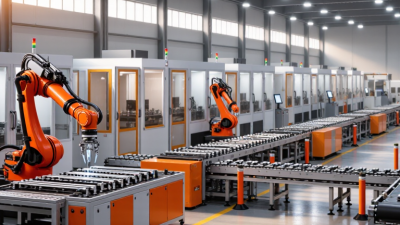
Automation machines are used wherever repetitive, measurable tasks need consistent handling. In factories, robotic arms weld frames, press components, or place small parts into trays. Sensors can check dimensions and flag missing pieces before products move onward. A slight alignment error can create scrap across an entire shift. In warehouses, conveyors and sorting systems route cartons using barcode or size data. Workers still handle exceptions, such as crushed boxes or unreadable labels. Machines are fast. Context is harder.

Food plants use filling, sealing, weighing, and inspection equipment, often designed for regular washdowns. A sticky valve or damp sensor can stop a line, so cleaning access and maintenance schedules matter as much as speed. Hospitals and laboratories use automated analyzers to process routine samples, while trained staff review results and manage unusual cases. On farms, irrigation systems may adjust water delivery based on soil readings, though poorly placed sensors can mislead them. Utilities use automated controls to regulate pumps and treatment stages. Not every process suits automation. Changing products or poorly documented steps can make even a simple machine frustrating. Early trials often reveal assumptions nobody noticed.

What Is an Automation Machine? - Where Automation Machines Are Used

Automation Machine Type What It Does Common Uses Typical Components Common Control Method
Industrial robot Moves tools or materials through programmed paths to perform repeatable tasks. Automotive assembly, machine tending, material handling, and welding. Robot arm, end effector, sensors, safety equipment, and motion controller. Programmed robot controller, often integrated with a programmable logic controller (PLC).
CNC machine Uses computer-controlled instructions to cut, drill, mill, or shape material. Metalworking, woodworking, aerospace-part production, and toolmaking. Spindle, cutting tool, workholding system, axes, and CNC controller. Numerical control program that directs machine movements and machining operations.
Automated packaging machine Fills, seals, labels, or packs products with limited manual handling. Food and beverage processing, pharmaceuticals, cosmetics, and consumer goods. Conveyors, filling or sealing mechanisms, sensors, and guarding. PLC-based sequencing with sensors that detect product position and machine status.
Automated conveyor system Moves materials or products between workstations or storage areas. Warehouses, distribution centers, factories, and baggage-handling facilities. Belts or rollers, motors, drive controls, photoelectric sensors, and transfer units. PLC or distributed controls coordinate movement, routing, and safety interlocks.
Automated inspection machine Checks products for specified dimensions, surface conditions, or assembly features. Electronics manufacturing, food production, automotive parts, and packaging lines. Cameras or other sensors, lighting, fixtures, and a processing unit. Machine-vision or sensor-based inspection rules, with results sent to line controls.
Automated guided vehicle (AGV) Transports materials along defined routes, typically following guidance or navigation cues. Factory material supply, warehouse transport, and movement between production areas. Vehicle platform, drive system, navigation sensors, battery, and safety devices. Fleet or vehicle control software using mapped routes and onboard navigation systems.
Process-control system Monitors and adjusts industrial process variables such as temperature, pressure, or flow. Water treatment, chemical processing, power generation, and food production. Sensors, valves or actuators, controllers, and operator interface. PLC or distributed control system using feedback from process instruments.
Automated assembly machine Performs repeatable assembly steps, such as fastening, inserting, or joining components. Electronics, appliances, automotive components, and medical-device manufacturing. Fixtures, feeders, actuators, sensors, and assembly tools. Sequenced control using a PLC, with sensors verifying part presence and operation status.

Benefits, Limitations, and Safety Considerations

What Is an Automation Machine? Benefits, Limitations, and Safety Considerations

An automation machine performs tasks with limited ongoing human input, often following programmed instructions. It can repeat a measured movement, inspect parts, or move materials between workstations. The International Federation of Robotics reported 4,281,585 industrial robots operating worldwide at the end of 2023, a 10% rise from 2022. That growth reflects real demand, not proof that every task should be automated.

Automation can improve consistency and reduce workers’ exposure to repetitive lifting or hot processes. It may also increase output when machines, staffing, and production schedules are well matched. McKinsey Global Institute estimated that 60% of occupations have at least 30% of their activities that could be automated with existing technology. That does not mean 60% of jobs will disappear. Tasks, not whole roles, are the more useful unit of analysis. Payback can disappoint when products change often, maintenance is costly, or equipment sits idle. Shop floors are rarely tidy.

Safety needs attention before installation and after changes to equipment or workflows. A moving arm can injure someone who enters its reach, even during a brief jam clear. Risk assessments, fixed guards, interlocked access points, emergency stops, and energy isolation procedures help reduce hazards. Workers also need practical training, not just a manual handed over at commissioning. Sensors can fail, and procedures can drift. A safer system still depends on people noticing when conditions have changed.

What Is an Automation Machine? Benefits, Limitations, and Safety Considerations

Global industrial robot installations, 2019–2023

Automation machines can improve consistency and handle repetitive tasks at scale. Installation totals show the growing use of industrial robots, but do not measure productivity gains or safety outcomes. Machines also require investment, maintenance, and skilled oversight. Safe operation depends on risk assessment, appropriate guarding and interlocks, and worker training.

Source: International Federation of Robotics, World Robotics reports. Annual installation figures are rounded.