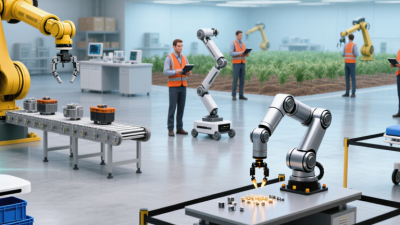
10 Best Robot Types and Their Definitions
Robots now work in factories, hospitals, warehouses, farms, and homes. Yet the word “robot” covers machines with very different bodies and abilities. ISO 8373:2021 describes a robot as a programmed, actuated mechanism with some autonomy that performs intended tasks. In plain terms, it senses or follows instructions, then acts in its environment. The distinction matters. A robotic arm welding a car door is not the same tool as a mobile robot carrying boxes down a warehouse aisle.
The International Federation of Robotics reported 4.281 million industrial robots operating worldwide in 2023, alongside 541,302 new installations. Those figures show how widely robotics has entered industry, but they do not rank which machines are “best.” That depends on the task, surroundings, safety needs, and cost. Joseph Engelberger, often called a father of industrial robotics, is widely credited with saying, “I can’t define a robot, but I know one when I see one.” The line is memorable. It also hints at why clear definitions remain useful.
This guide explores 10 robot types, from industrial and collaborative robots to service, mobile, and humanoid machines. Each definition connects the label to real work: a gripper lifting a metal part, a cart navigating a warehouse, or a robot assisting with repetitive tasks. We also distinguish similar categories and note where boundaries can blur. No list can capture every design. That limitation deserves attention, especially when product labels sound more precise than the machines themselves.
What Defines a Robot Type?
A robot type is defined less by its shape than by the work it performs, where it operates, and how it interacts with people. A wheeled machine in a warehouse may be classified as a mobile robot; add a gripping arm, and it also fits a manipulation category. Useful distinctions include mobility, autonomy, sensing, payload, and operating environment. That matters. Two robots that look alike can need very different safety checks if one works beside people and the other stays behind a barrier.
Industry data shows why classifications need clear boundaries. The International Federation of Robotics’ World Robotics 2024 report counted 4,281,585 industrial robots operating worldwide in 2023. Its service-robot report recorded about 205,000 professional service robots sold that year. These figures describe different markets, not a complete list of robot types. A type label helps compare machines, but it can oversimplify real systems. One agricultural robot, for example, might navigate fields, inspect crops, and handle objects. Labels can blur. I would treat the task and working conditions as the most practical starting point, while noting that industry categories are not always consistent.
How Robots Are Classified by Design and Function
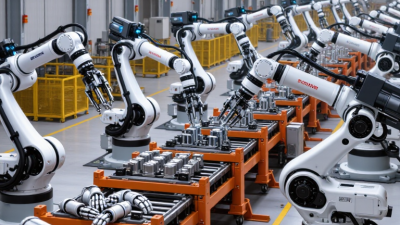
Robot types are often classified by their structure and the work they perform. An articulated robot has rotary joints, like a mechanical arm, and can reach around obstacles. Cartesian robots move along straight axes, making them useful for placing parts within a rectangular workspace. SCARA robots combine horizontal reach with vertical movement, often handling small assembly tasks. Delta robots use linked arms to pick lightweight items quickly from a moving belt. Cylindrical robots work within a roughly cylindrical area.
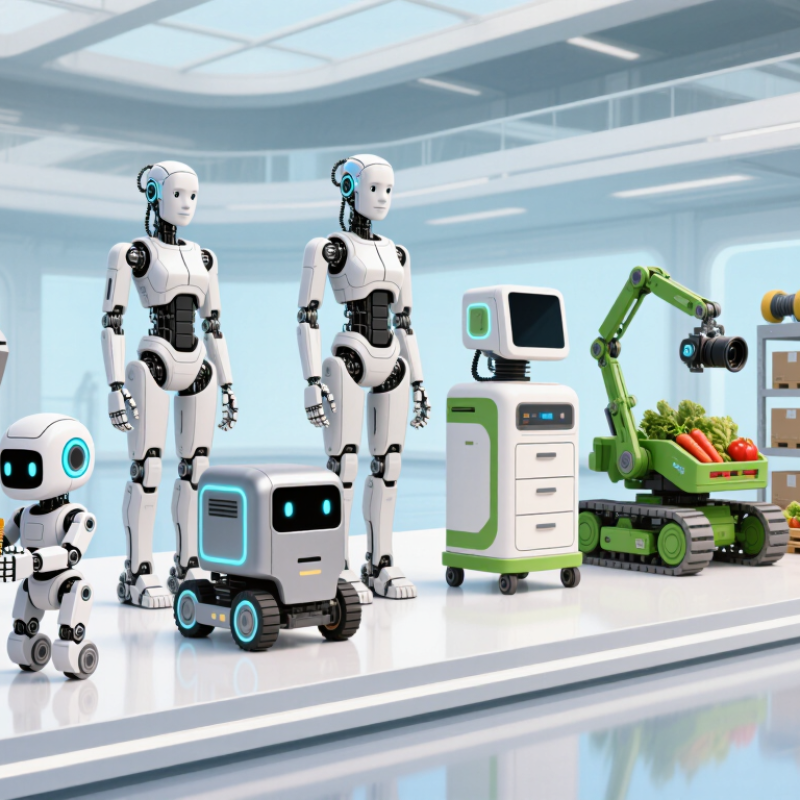
Mobility offers another way to classify robots. Wheeled robots roll across smooth floors in warehouses or hospitals. Tracked robots can cross rougher ground, though their tracks may mark delicate surfaces. Legged robots step over uneven obstacles, but balance and energy use remain practical challenges. Humanoid robots have a human-like shape, which can help them use tools and spaces designed for people. The shape alone does not make them capable.
Function matters too. Collaborative robots are designed to work near people, while service robots assist with tasks such as delivery or cleaning. These categories can overlap: a wheeled service robot may also use cameras and sensors to navigate. Labels are useful, but imperfect. When comparing machines, consider payload, reach, speed, floor conditions, and safeguards. A robot that looks versatile may still struggle with a simple task in a cramped workspace.
Where Each Robot Type Is Commonly Used
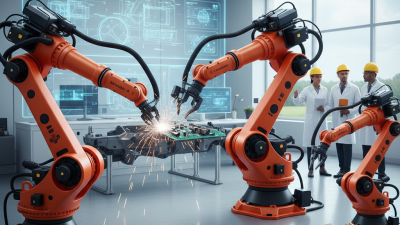
Articulated robots use linked arms for welding, painting, and machine tending in automotive and metalworking plants. SCARA robots handle fast, precise assembly on electronics lines. Cartesian robots move along straight axes, making them useful for packaging and pick-and-place tasks. Delta robots sort lightweight food or medicine packages at high speed. IFR reported 4,281,585 industrial robots operating worldwide at the end of 2023, reflecting their broad role in production.
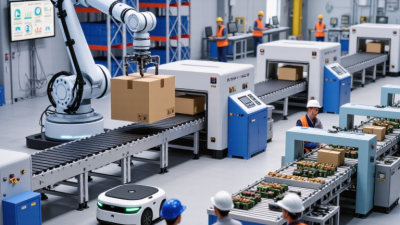
Collaborative robots share workspaces with people, often supporting assembly and inspection. Autonomous mobile robots carry bins through warehouses, while automated guided vehicles follow fixed routes in factories. IFR’s 2024 service-robot report recorded about 113,000 logistics robots sold in 2023. Agricultural robots assist with tasks such as crop monitoring and targeted spraying. Surgical robots support clinicians with controlled instrument movement in operating rooms. Humanoid robots are being tested for flexible tasks, though dependable everyday deployment remains limited. The categories can overlap. Real facilities are messier than a neat chart.
Tips: Match the robot to the work, not the headline. Check payload, reach, floor conditions, and cycle time before choosing. A mobile robot may look ideal, but narrow aisles can slow it down. Pilot one work area first, then measure delays and safety issues. Small details matter.
10 Best Robot Types and Their Definitions — Where Each Robot Type Is Commonly Used
How to read this chart: Each bar counts representative application examples listed for that robot type. These counts are illustrative, not market-size or usage-frequency statistics.
- Articulated industrial robot: A multi-jointed arm; commonly used for welding, painting, assembly, and material handling.
- Cartesian robot: Moves along straight X, Y, and Z axes; commonly used in CNC machines, 3D printers, and pick-and-place systems.
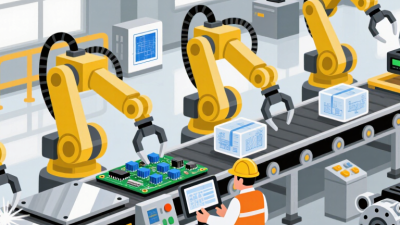
- SCARA robot: A fast arm designed for horizontal-plane movement; commonly used in electronics assembly, screwdriving, and packaging.
- Collaborative robot (cobot): Designed to work near people with safety features; commonly used for machine tending, inspection, and assembly.
- Autonomous mobile robot (AMR): Navigates dynamically through its environment; commonly used for warehouse transport and factory logistics.
- Automated guided vehicle (AGV): Follows defined routes or guidance systems; commonly used to move materials in factories and warehouses.
- Delta robot: A lightweight parallel-link robot with a fast-moving end effector; commonly used for food picking and high-speed packaging.
- Humanoid robot: Has a human-like body plan; commonly used in research, demonstrations, and some service or logistics trials.
- Surgical robot: A robotic system controlled by a clinical team; used to assist with procedures such as minimally invasive surgery.
- Uncrewed aerial vehicle (UAV): A flying robot; commonly used for aerial mapping, crop monitoring, and infrastructure inspection.
How to Choose the Right Robot Type for a Task
Choosing a robot starts with the motion a task requires, not the robot’s name.
A Cartesian robot moves along straight axes, making it useful for predictable pick-and-place work. SCARA robots suit fast assembly on a flat plane, while articulated arms can reach around obstacles and handle varied angles. Delta robots are built for quick, light handling. Mobile robots add movement between workstations, but need clear routes and reliable navigation.
Measure the real task: reach, payload, cycle time, accuracy, and working conditions. Include the gripper and cables when estimating payload; small omissions can cause trouble. Fit matters more. Consider whether people share the workspace, how parts arrive, and how difficult setup or maintenance will be. A robot that meets a speed target on paper may struggle with slippery parts or a crowded bench. Run a small trial with actual materials before committing. Watch for awkward reaches and pauses. No specification sheet catches every one. The best choice is often the simplest robot that performs the task consistently, though “simple” can still require careful integration.