10 Essential Tips for Choosing the Right Robotic Welding Systems
Selecting the right robotic welding systems is crucial for modern manufacturing. These systems enhance productivity and improve weld quality. The market offers various options, making the decision process challenging.
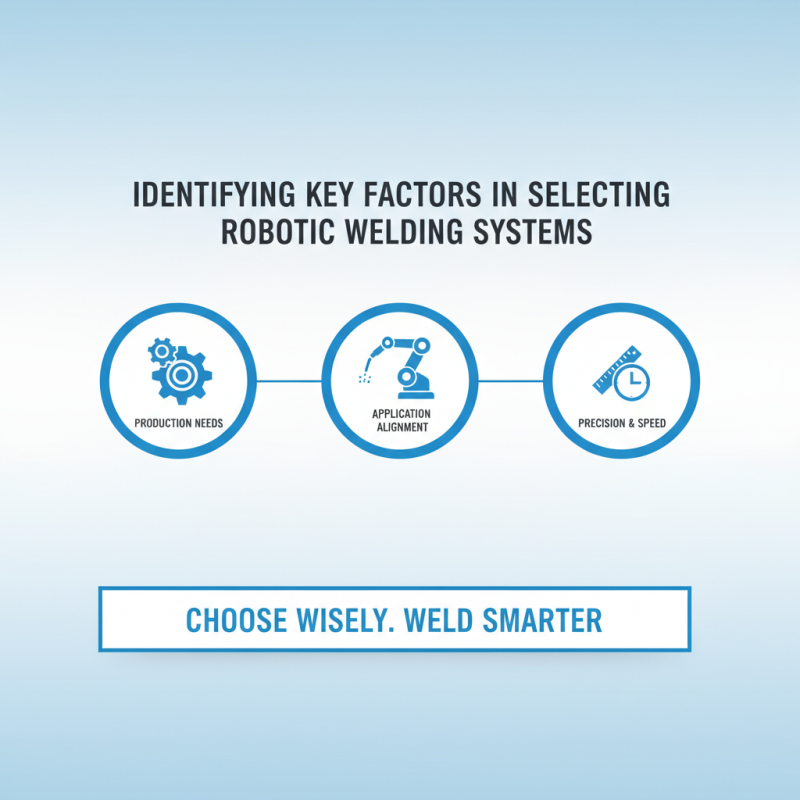
Understanding your specific needs is vital. Consider factors like production volume, material types, and workspace layout. Each application requires different robotic capabilities. Budget constraints also play a significant role in the selection.
Take time to evaluate potential vendors. Look for companies with a strong reputation in robotic welding technology. Assess their support services and training offerings. Reliable after-sales support can significantly affect performance outcomes. Improving your knowledge in this area will help you make an informed choice.
Understanding Robotic Welding Systems: A Brief Overview
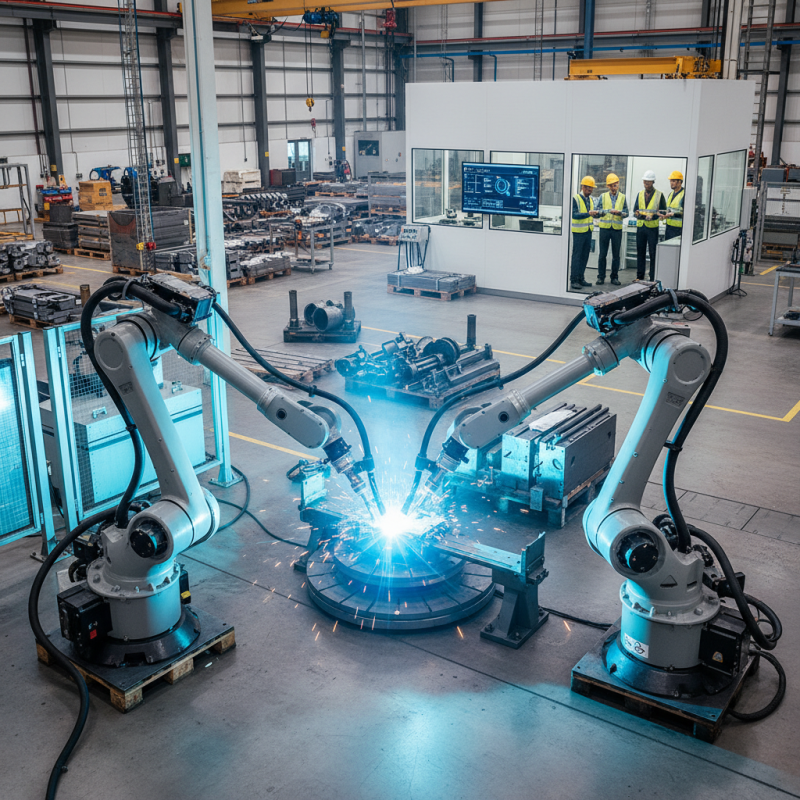
Robotic welding systems have transformed modern manufacturing. These systems automate processes, improving both speed and quality. A comprehensive understanding of their components and functions is essential. They typically include a robotic arm, welding torch, and control systems, each performing specific tasks in the welding process.
One must consider key factors when selecting a system. For instance, the type of welding required can significantly influence your choice. MIG and TIG welding might need different setups. The complexity of your projects also matters. Some systems work well for simple tasks, while others excel in more intricate operations. Additionally, evaluating the available space and power requirements is crucial. Not every facility can accommodate large systems.
Moreover, it’s important to acknowledge limitations. Robotic welding may come with a learning curve. Training staff is necessary to maximize the benefits. Implementing such technology might require adjustments in workflow as well. Careful planning can help mitigate these challenges, leading to a smoother integration process.
Assessing the Technical Specifications of Welding Robots
When selecting a robotic welding system, technical specifications are crucial. Key features to evaluate include payload capacity, range of motion, and precision. According to a recent industry report, an optimal payload capacity can significantly affect a robot's efficiency. Systems designed for heavy-duty tasks often handle up to 50 kg, while lighter versions focus on agility.
Range of motion impacts the robot's ability to reach complex weld joints. Systems with at least six axes provide greater flexibility. This flexibility improves weld quality in intricate designs. Precision is measured in millimeters; high-end systems can achieve ±0.2 mm accuracy. Such precision is vital for maintaining consistent quality and reducing rework rates.
Another aspect to consider is the software that controls the robotic systems. Advanced programming interfaces enable easier integration with existing workflows. Yet, user-friendly software is not always guaranteed. In fact, many users report a steep learning curve. It's essential to choose a system with solid technical support to navigate these challenges effectively. Weighing these factors carefully can lead to a more informed decision in an ever-evolving landscape.
Evaluating Cost-Effectiveness and Return on Investment
When evaluating robotic welding systems, cost-effectiveness is paramount. Consider both initial costs and long-term expenses. Analyze equipment prices, installation fees, and operational costs. This holistic approach helps in understanding the total financial commitment. A cheaper system might save you money upfront but could lead to higher maintenance costs later. Scrutinizing the long-term implications is essential.
Return on investment (ROI) plays a critical role in decision-making. Calculate potential productivity gains from automation. This includes increased throughput and reduced defects. It's important to gather data from similar industries. Look at historical performance metrics as benchmarks. However, not all projects will yield the expected ROI. Be prepared for a learning curve.
In essence, choosing the right robotic welding system is not straightforward. Each decision must be informed by a balance of costs and expected returns. Reflect on past experiences and industry insights. This practice improves future decision-making. Focus on the overall value rather than just the price tag. Aim for systems that provide both efficiency and reliability.
Evaluating Cost-Effectiveness of Robotic Welding Systems
Considering Compatibility with Existing Manufacturing Processes
When considering robotic welding systems, compatibility with existing manufacturing processes is crucial. Evaluate your current setup and workflow. Each step in the process must integrate smoothly with the new system. Identify the welding methods already in use. Ensure that the robotic system can handle them effectively, as inadequate compatibility can lead to inefficiencies.
Take a closer look at the materials used in your manufacturing. Different robotic systems are designed for specific metals and configurations. If your processes involve diverse materials, your robotic choice must accommodate them all. Communicate with your engineering team to anticipate any adjustments needed in your current setup. This collaboration can reveal hidden challenges.
Think about the workflow impacts of introducing a new robotic welding system. These systems might require changes in layout or even additional training for your staff. Will the initial disruption slow down production temporarily? It’s essential to weigh the long-term benefits against potential short-term setbacks. Being proactive in planning for these aspects will help you make a more informed decision.
10 Essential Tips for Choosing the Right Robotic Welding Systems
| Tip No. |
Tip Description |
Considerations |
| 1 |
Evaluate current manufacturing processes |
Identify areas for automation and integration |
| 2 |
Assess welding requirements |
Thickness of materials and types of welds needed |
| 3 |
Consider robotic capabilities |
Reach, payload, and flexibility of the robot |
| 4 |
Integrate software solutions |
Ensure compatibility with existing management systems |
| 5 |
Evaluate safety standards |
Adhere to regulations and safety protocols |
| 6 |
Consider total cost of ownership |
Include maintenance and operational costs |
| 7 |
Plan for scalability |
Ability to expand capabilities in the future |
| 8 |
Research support and training options |
Availability of resources for staff training |
| 9 |
Compare different models |
Analyze features and performance metrics |
| 10 |
Seek expert consultation |
Engage with industry experts for practical insights |